 Craig Pornorey
A good cigar already carries years of work: soil, seed, fermentation, aging, rolling. Yet the moment you light up, that craftsmanship meets your environment—your humidity, your tools, your pace. Accessories are where the “outside world” stops interfering and starts supporting the cigar. That’s why seasoned smokers treat storage, cutting, and lighting as part of the experience, not afterthoughts.
Elie Bleu sits in an interesting corner of the accessory world: pieces built with the fit-and-finish of fine goods rather than generic hardware. If you’re curious what that looks like in practice, browsing a curated range of Elie Bleu premium cigar storage solutions is a quick way to see how materials, sealing tolerances, and interior layout are approached when the goal is preservation plus pleasure.
Below are seven concrete ways well-made accessories (and Elie Bleu is a common reference point) can elevate the same cigar you already love—without changing the blend by a single leaf.
Accessories aren’t “extras”—they protect the blend you paid for
Cigars are hygroscopic: they exchange moisture with the air. Drift too dry and combustion runs hot, flavors thin out, wrappers crack, and you’re tempted to over-correct with aggressive rehydration. Drift too wet and you’ll fight tunneling, bitterness, and constant relights. The same principle applies to handling. A sloppy cut can unravel a cap; a weak flame can char and mute the opening third. Think of accessories as quality control after the factory: they keep your variables consistent so the blender’s intent makes it to your palate.
Seven ways Elie Bleu accessories improve the cigar ritual
1) More stable humidity means cleaner flavor and burn
The biggest upgrade most people feel is consistency. A well-sealed humidor with tight joinery reduces swings caused by room heat, seasonal HVAC, or a door that doesn’t close flush. When humidity stays steady, you notice fewer harsh transitions: the cigar opens sweeter, the ash stacks more predictably, and the final third doesn’t turn as sharp.
2) Better internal layout prevents “micro-damage”
Cigars are sturdier than they look, but repeated rubbing and pressure points add up—especially with delicate wrappers. Thoughtful tray systems, dividers, and smooth interiors help prevent foot dents and wrapper scuffs. It’s a subtle difference until you smoke a cigar that draws perfectly and realize it wasn’t “luck”; it was handling.
3) A precise cut protects the cap and your draw
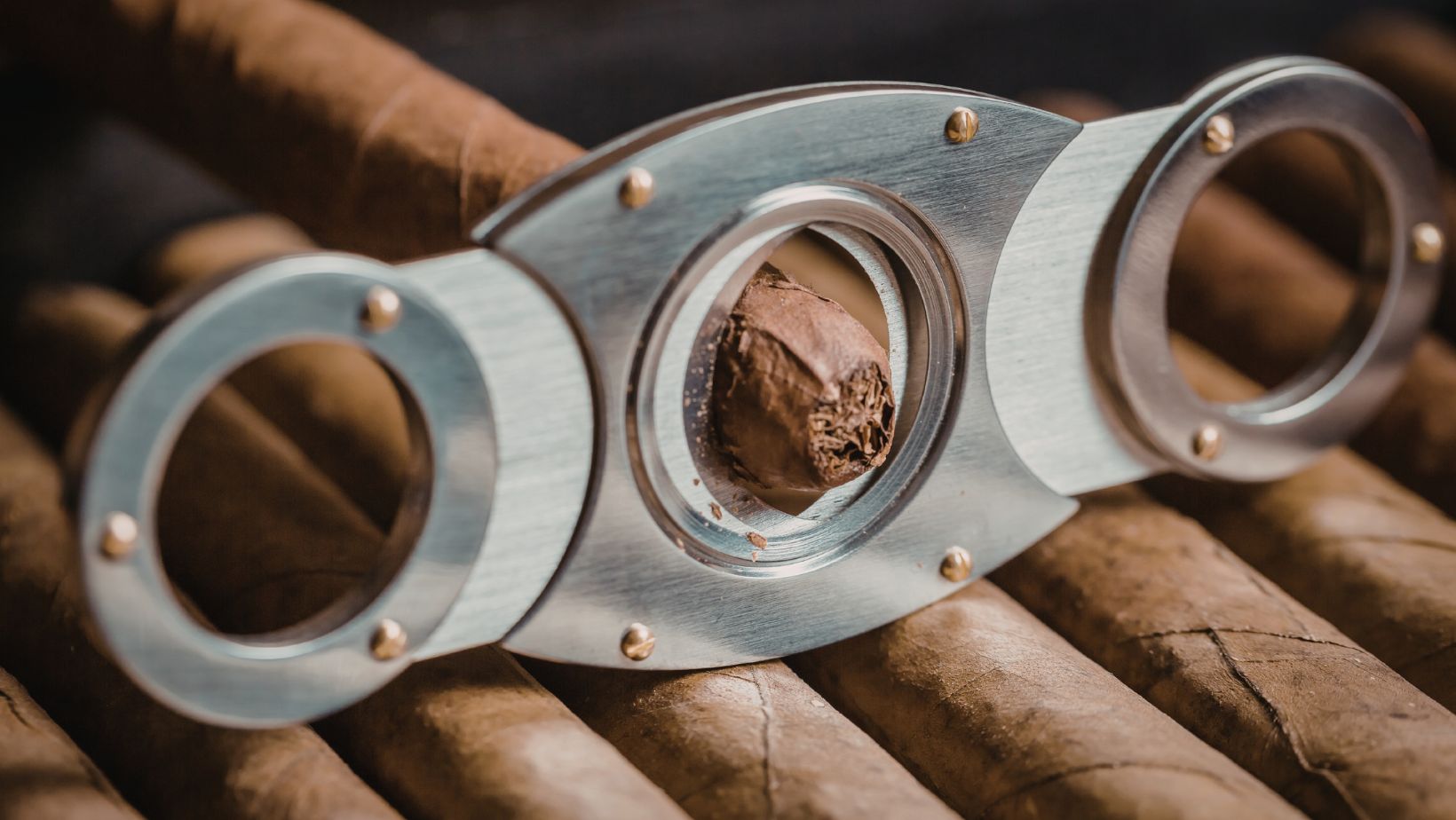
Cutters aren’t just about sharpness; alignment matters. A clean, centered cut reduces the chance of splitting the cap and minimizes loose tobacco at the head that can clog the draw mid-smoke. If you’ve ever had a cigar suddenly tighten after the first inch, you know how distracting that is. A dependable cutter keeps the start calm and controlled.
4) A consistent flame preserves the first third
Many cigars taste their most nuanced early on—before heat builds and oils concentrate. Using a stable, wind-resistant flame lets you toast evenly and avoid “hot spots” that can permanently tilt the profile toward char. The best lighters also feel balanced in hand, which sounds trivial until you’re outdoors and trying not to scorch a $20 stick.
5) Ashtrays that actually fit cigars keep the moment relaxed
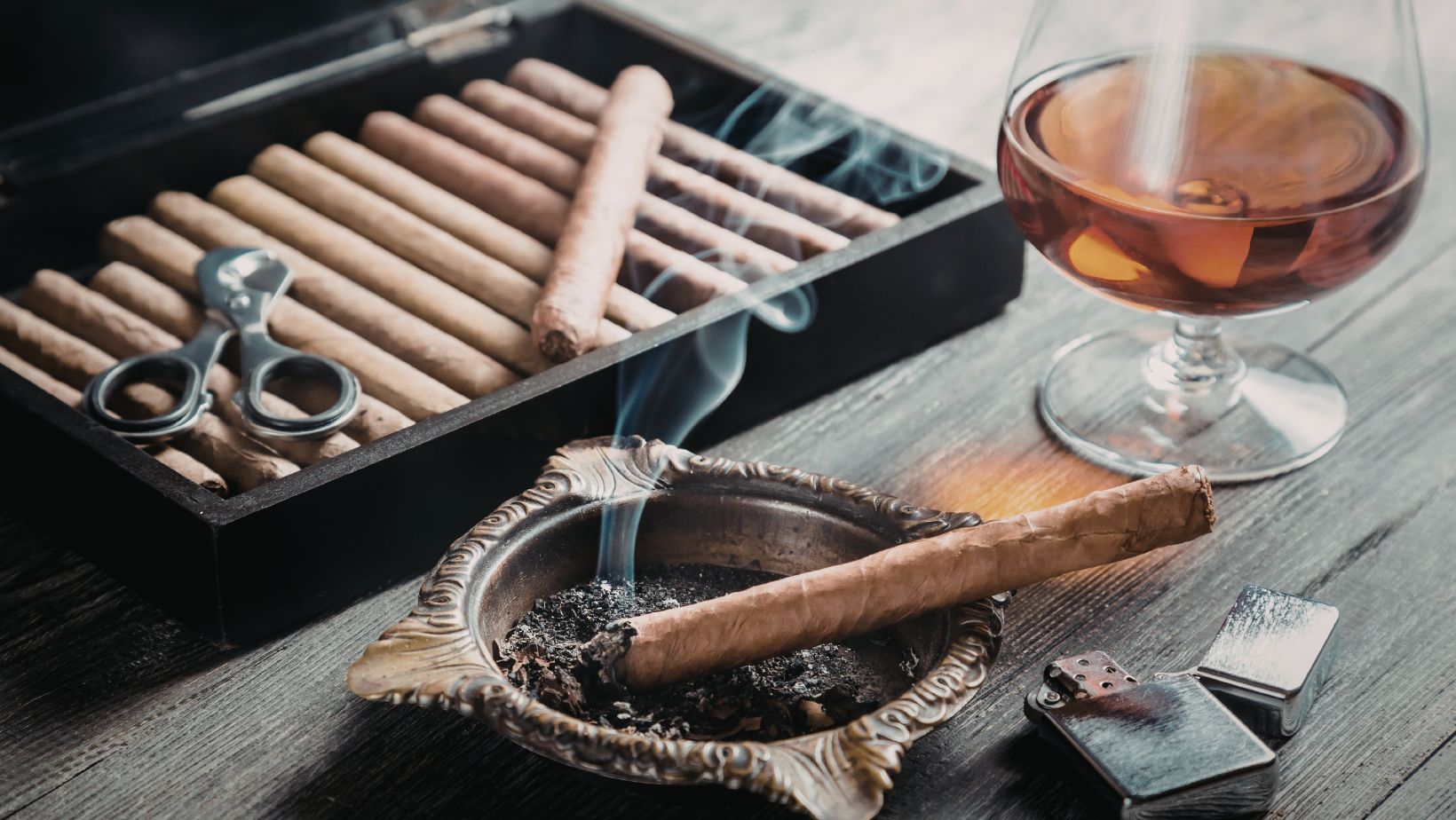
Undersized ashtrays turn a quiet smoke into a juggling act. Wider rests and deeper bowls mean you’re not balancing a Churchill on a narrow notch or knocking ash onto your lap every time you set it down. When the ash has somewhere to go, you naturally slow down—exactly what most premium cigars are built for.
6) Travel cases prevent the “vacation regret” cigar
The fastest way to waste good cigars is to toss them into a bag and hope. Pressure changes, heat in a car, and simple crushing can ruin construction. A rigid travel case with a proper seal gives you the confidence to bring better cigars out of the house—and smoke them in good condition, not as a compromise.
7) Presentation and craft deepen attention (and that changes taste)
This is the psychological piece people hesitate to admit. When an accessory is beautifully made—wood grain, lacquer depth, precise metalwork—you handle your cigar with more care. You cut slower. You light more evenly. You give the cigar a fair shot to develop. The result isn’t imaginary; it’s behavioral. Ritual improves technique, and technique improves flavor.
Building a smarter accessory kit (without overbuying)
If you’re upgrading, aim for fewer, better items that remove friction from the process. A practical order of operations looks like this:
- Start with airtight storage and accurate humidity measurement.
- Add one cutter you trust for clean, centered cuts.
- Choose a lighter that can toast evenly in your typical setting (indoors, patio, golf course).
- Pick an ashtray sized for the ring gauges you actually smoke.
- Round it out with a travel option if you smoke away from home more than once a month.
One final tip: judge accessories the way you judge cigars—by repeatable results. The right humidor shows its value after the third season change, not the first week. The right cutter proves itself after the fiftieth cut, not the first. And the right lighter is the one that helps you taste the cigar, not the fuel.
Finally, don’t forget upkeep. Calibrate your hygrometer once or twice a year, refresh humidification media before it dries out completely, and rotate long-term stock. Accessories shine when they’re maintained, just like cigars benefit from patience in your normal climate.