 Craig Pornorey
Bringing a slice of the outdoors inside is a rewarding way to brighten up your home. For parents, it offers a wonderful opportunity to teach children about biology and the environment. A terrarium acts like a miniature ecosystem, allowing kids to observe how plants grow, breathe, and recycle water. Building one together is an engaging weekend project that combines creativity with a bit of messy fun.
Unlike a standard potted plant, a closed or partially enclosed container creates its own humid microclimate. This makes it much easier to keep certain tropical species alive in our often chilly UK homes. Whether you have a spacious windowsill or just a small corner in the kitchen, these glass-like gardens fit anywhere. You will find that once you start, it’s hard to stop at just one.
Choose the Right Materials for Your Project
The first step in your journey is selecting a suitable container. Many people reach for glass, but it can be heavy and prone to shattering if knocked over by enthusiastic little hands. Safety is a priority when working with children, so many families now look for lighter, shatter-resistant alternatives. High-quality plastics provide the same clarity as glass without the risk of sharp edges or heavy lifting.
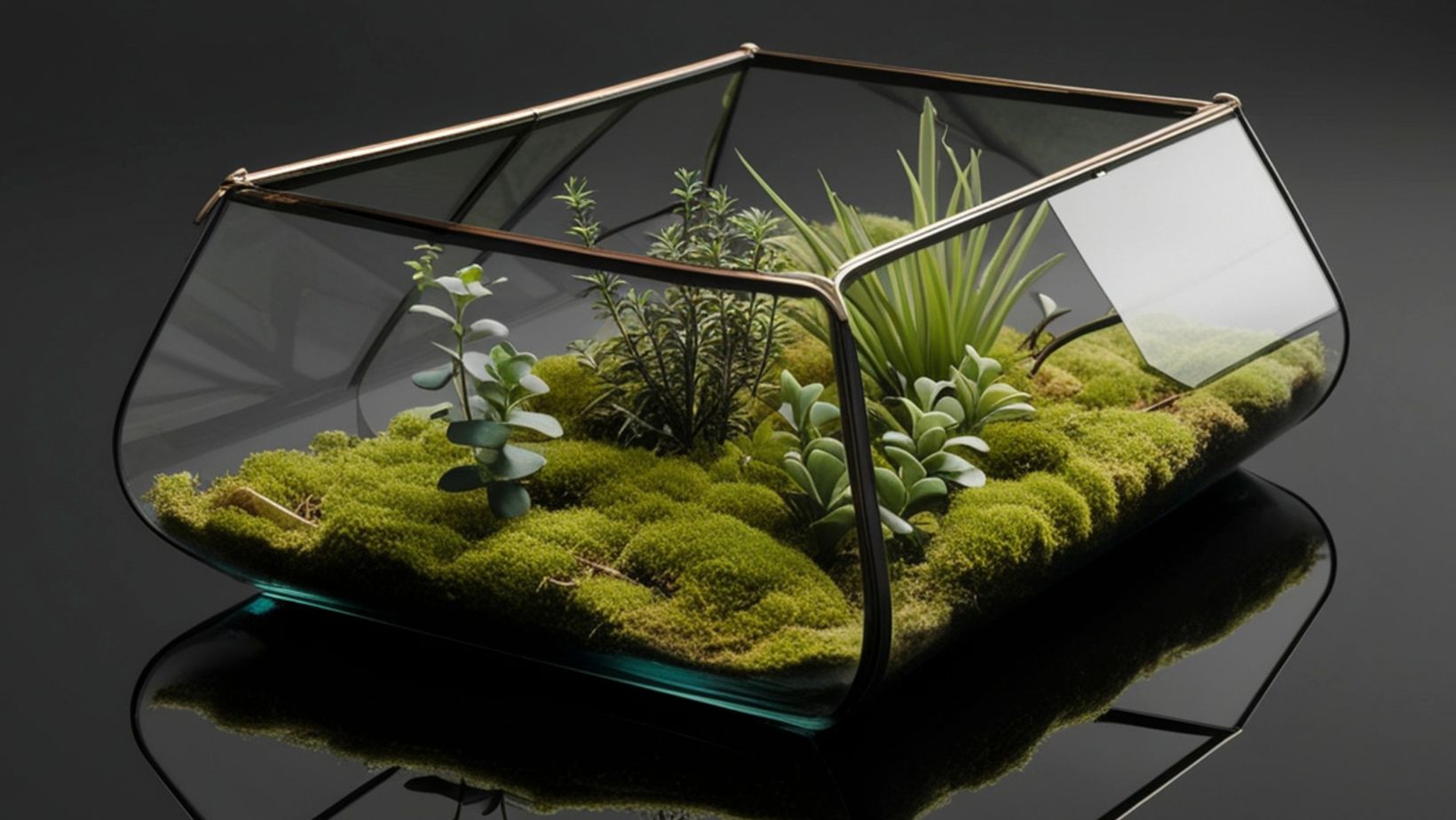
If you want a bespoke size or a specific shape, you can use specialized materials to build the structure yourself. Many builders and DIY enthusiasts rely on greenhouse acrylic glazing for outdoor structures because it is durable and offers excellent light transmission. If acrylic is good for greenhouses, it’s perfect for terrariums. Using these panels allows you to create a custom-fit home for your plants that is easy for kids to carry and move around.
Preparing the Base
A healthy terrarium starts from the bottom up. Because these containers don’t have drainage holes, you must create a system to prevent water from sitting at the roots. Start with a layer of small stones or gravel about two centimetres deep. This acts as a reservoir for excess moisture. Over this, add a thin layer of activated charcoal to keep the setup fresh and prevent any unpleasant smells from developing.
Next, place a layer of sphagnum moss or a fine mesh over the stones to stop the soil from washing down into the drainage area. Finally, add a generous amount of peat-free potting mix. If you are involving your children, let them help pour the layers. They love seeing the different strata form against the transparent walls. It’s a great way to explain how soil filtration works in nature.
Selecting and Planting Your Greenery
When it comes to picking your plants, think small. You want species that enjoy humidity and won’t quickly outgrow their new home. Ferns, fittonias, and pothos are excellent choices for beginners.
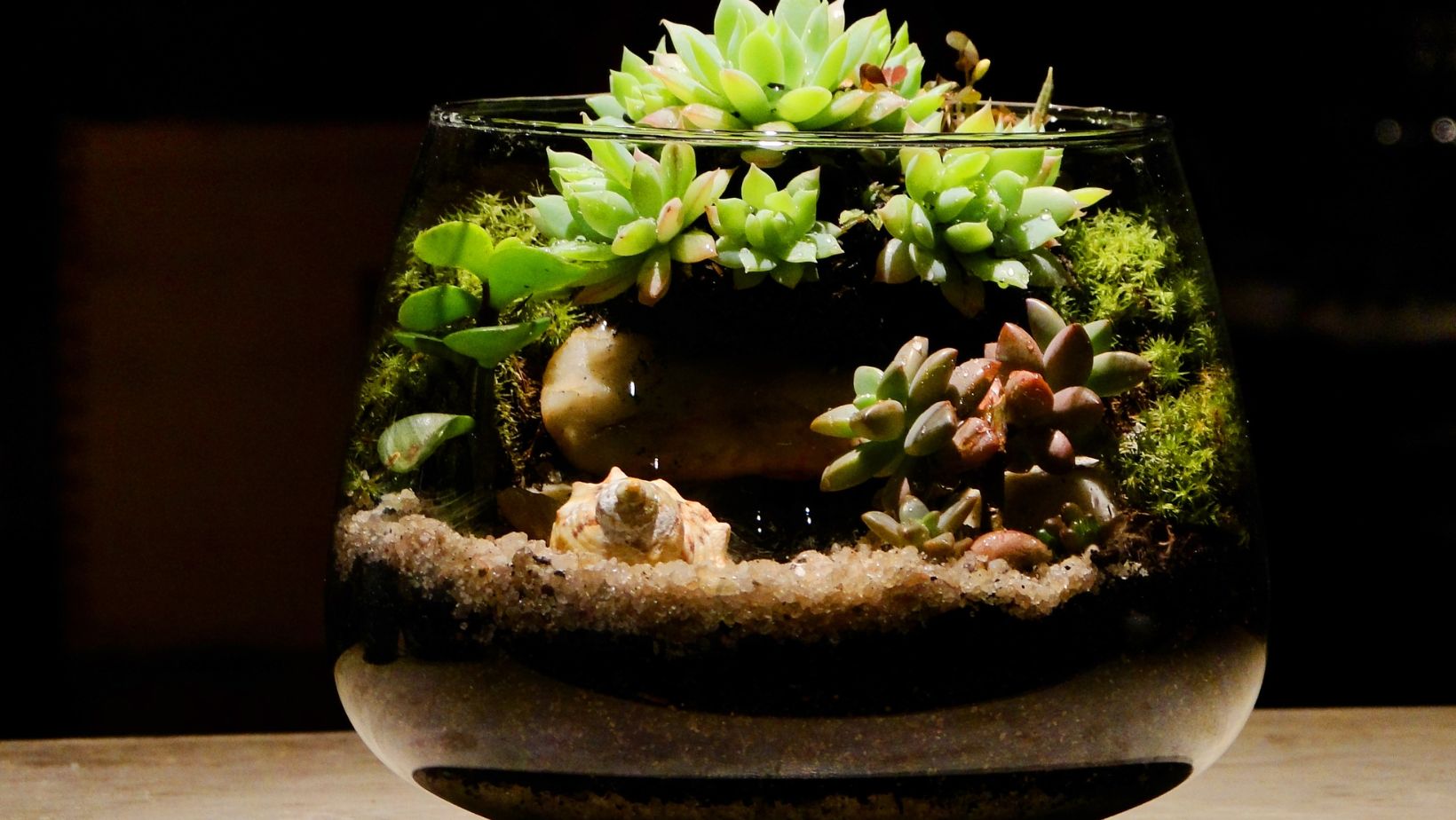
If you prefer a desert-style look, you can use succulents and cacti, but remember to keep the top of the container open so the air stays dry.
- Dig a small hole for each plant using a spoon or your fingers.
- Gently remove the plant from its original pot and tease the roots.
- Place the plant in the hole and firm the soil around it.
- Use a paintbrush to clean any stray soil off the transparent sides.
- Add decorative elements like moss, bark, or even small toy figures.
Maintaining Your Miniature World
Once the planting is finished, give your new garden a light misting of water. It’s important not to overwater, as it’s much easier to add moisture later than it is to remove it. Place the finished project in a spot with bright, indirect light. Avoid direct sunlight, as the transparent walls can act like a magnifying glass and scorch the delicate leaves inside.
Teach your children to check on the plants every few days. If you see a lot of condensation on the walls, leave the lid off for an hour to let some moisture escape. If the soil feels dry, add a few drops of water. This simple routine helps kids develop a sense of responsibility and a deeper appreciation for the natural world.
Wrapping Up
Building a transparent home for plants is a simple joy that brings a bit of nature’s magic into your living room. It’s an educational activity that leaves you with a beautiful piece of living decor.
By choosing durable materials and the right plants, you ensure your miniature ecosystem thrives for a long time. Grab some soil, pick out some greenery, and start your planting adventure today.