 Craig Pornorey
Contemporary architecture often celebrates glass expanses and crisp geometry, yet beneath those clean outlines lies something far older. Skilled hands, patient shaping, and thoughtful selection of raw elements still determine whether a space feels substantial or merely assembled. Craft tradition continues to influence how homes look, feel, and endure.
Leading architecture firms are increasingly blending time-honored craftsmanship with contemporary design, creating homes that celebrate artisanal detail while meeting the demands of modern living.
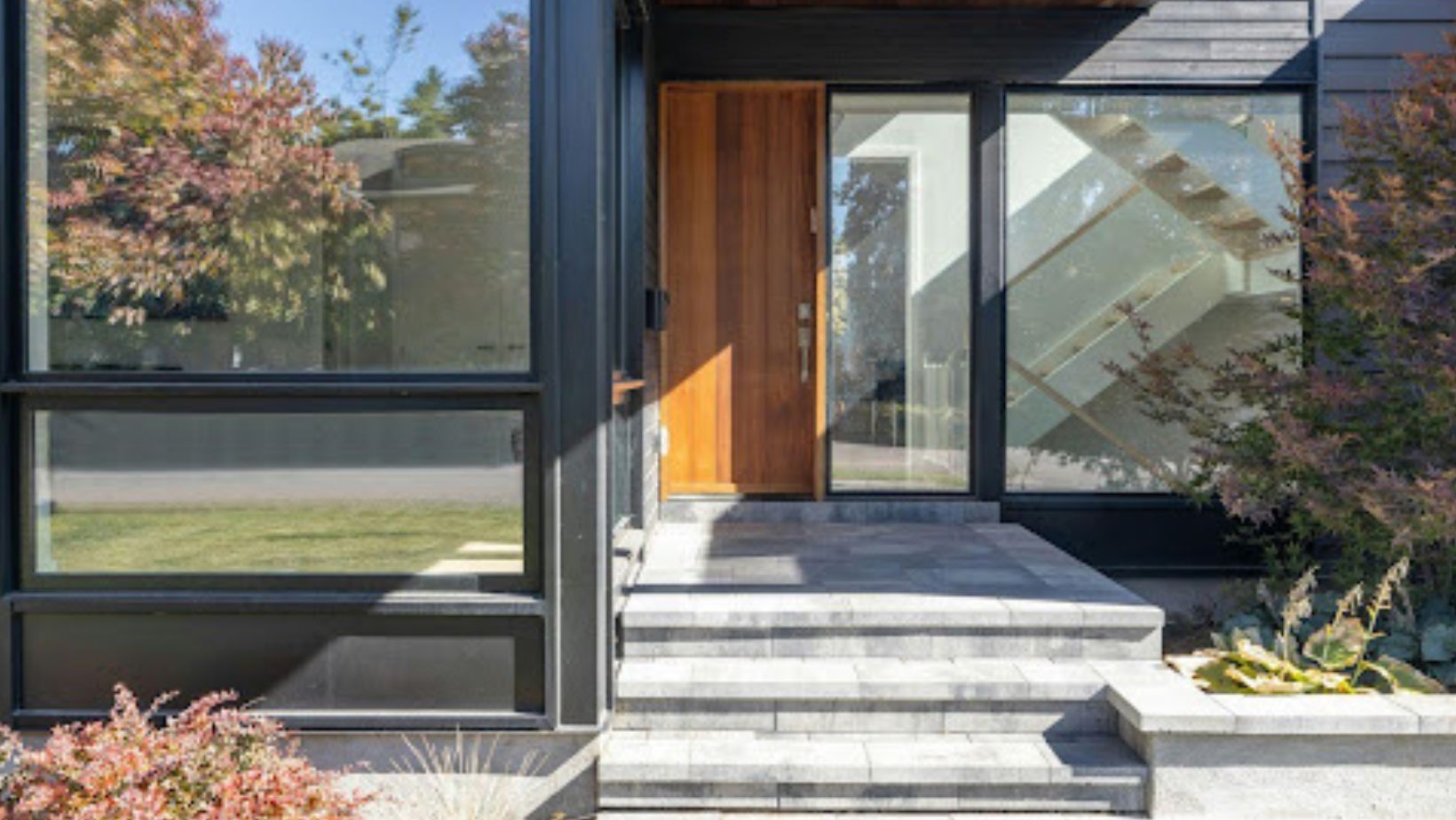
Within entranceways and structural features, the quiet presence of hemlock external doors reflects that union between heritage skill and current taste. Carefully worked timber, shaped through precise joinery, offers warmth that factory-produced alternatives rarely achieve. Grain patterns and subtle tonal shifts introduce character without overwhelming surrounding details.
The Enduring Value of Skilled Joinery
Joinery represents more than assembly. It requires understanding how wood behaves across seasons, how joints distribute weight, and how each connection contributes to overall stability.
Mortise and tenon techniques, dovetail corners, and carefully cut rebates demonstrate knowledge passed down through generations. Such methods create strength through geometry rather than relying solely on adhesives or concealed fixings.
Precision matters at every stage. Slight misalignment can compromise both appearance and function. When executed properly, however, these connections allow structures to flex subtly without weakening.
Craft-based construction also enhances longevity. Pieces fitted with care resist loosening, reducing the need for frequent repair. Durability emerges from intelligent design rather than excessive reinforcement.
Material Selection as a Design Statement
Every species of timber carries distinct qualities. Density, grain orientation, and natural colour all influence performance and visual impact.
Hardwoods such as oak deliver impressive robustness along with rich texture. Softwoods, when responsibly sourced and properly treated, provide lighter tones and versatile applications. Thoughtful selection ensures that each element suits its intended role.
Sustainability plays an increasing part in decision-making. Responsibly managed forests, certified supply chains, and efficient milling processes contribute to environmentally conscious building. Choosing materials with care reflects respect for both craftsmanship and ecological responsibility.

Surface treatments further shape perception. Oils emphasise grain depth, while stains alter tone without masking natural patterns. Finishes should complement architecture rather than compete for attention.
Blending Heritage Techniques with Contemporary Form
Modern layouts favour open interiors and seamless transitions between rooms. Traditional methods can support these aspirations without appearing outdated.
Large door panels crafted with classic joinery can sit comfortably within minimalist frames. Bespoke cabinetry fitted into streamlined kitchens offers subtle texture against smooth surfaces.
Architects frequently combine handcrafted features with steel, glass, or concrete. Contrast highlights the tactile quality of wood against cooler materials. This dialogue between old and new enriches the spatial experience.
Proportion remains essential. Overly ornate detailing may disrupt a clean scheme, while restrained carving or carefully chamfered edges can introduce depth without clutter.
The Human Touch in a Mechanised Era
Automation dominates much of contemporary manufacturing. Despite technological efficiency, many homeowners seek evidence of human involvement.
Slight variations in grain alignment or hand-finished edges create authenticity. Such nuances remind occupants that skilled artisans shaped their surroundings.
Personalisation becomes possible through bespoke commissions. Custom shelving, staircases, or entrance doors reflect individual preference rather than mass production trends. Living spaces gain identity through these tailored elements.
Emotional connection often stems from a tangible quality. When surfaces feel solid and balanced, confidence in the structure grows. Craftsmanship fosters that assurance.
Long-Term Investment Through Quality
Initial expenditure on expert joinery may exceed off-the-shelf alternatives. However, durability and timeless design frequently justify the additional cost.
Well-constructed features resist shifting and warping, reducing future maintenance. Replacement cycles lengthen, conserving resources and finances alike.
Property value can benefit from visible quality. Prospective buyers recognise meticulous detailing and premium materials. Distinctive elements may set a home apart in competitive markets.
Longevity also supports sustainability goals. Structures designed to last several decades minimise waste generated by frequent renovation.
Craft as a Living Tradition
Tradition should not be mistaken for stagnation. Techniques evolve as tools improve and design priorities shift. Artisans continually refine their approach while preserving foundational principles.
Training programs and apprenticeships ensure that knowledge transfers to new generations. Without such continuity, valuable skills risk fading into obscurity.
Collaboration between designers and craftspeople often produces the most compelling results. Concept drawings gain substance when interpreted by experienced makers who understand both material behaviour and aesthetic intention.
Modern homes need not abandon heritage in pursuit of progress. Through thoughtful joinery and discerning material choice, contemporary dwellings can embody both innovation and tradition.
Enduring craftsmanship enriches architecture in ways that purely industrial methods rarely match. When quality guides construction decisions, spaces achieve depth, character, and resilience that stand the test of time.