 Peggy L Carlton
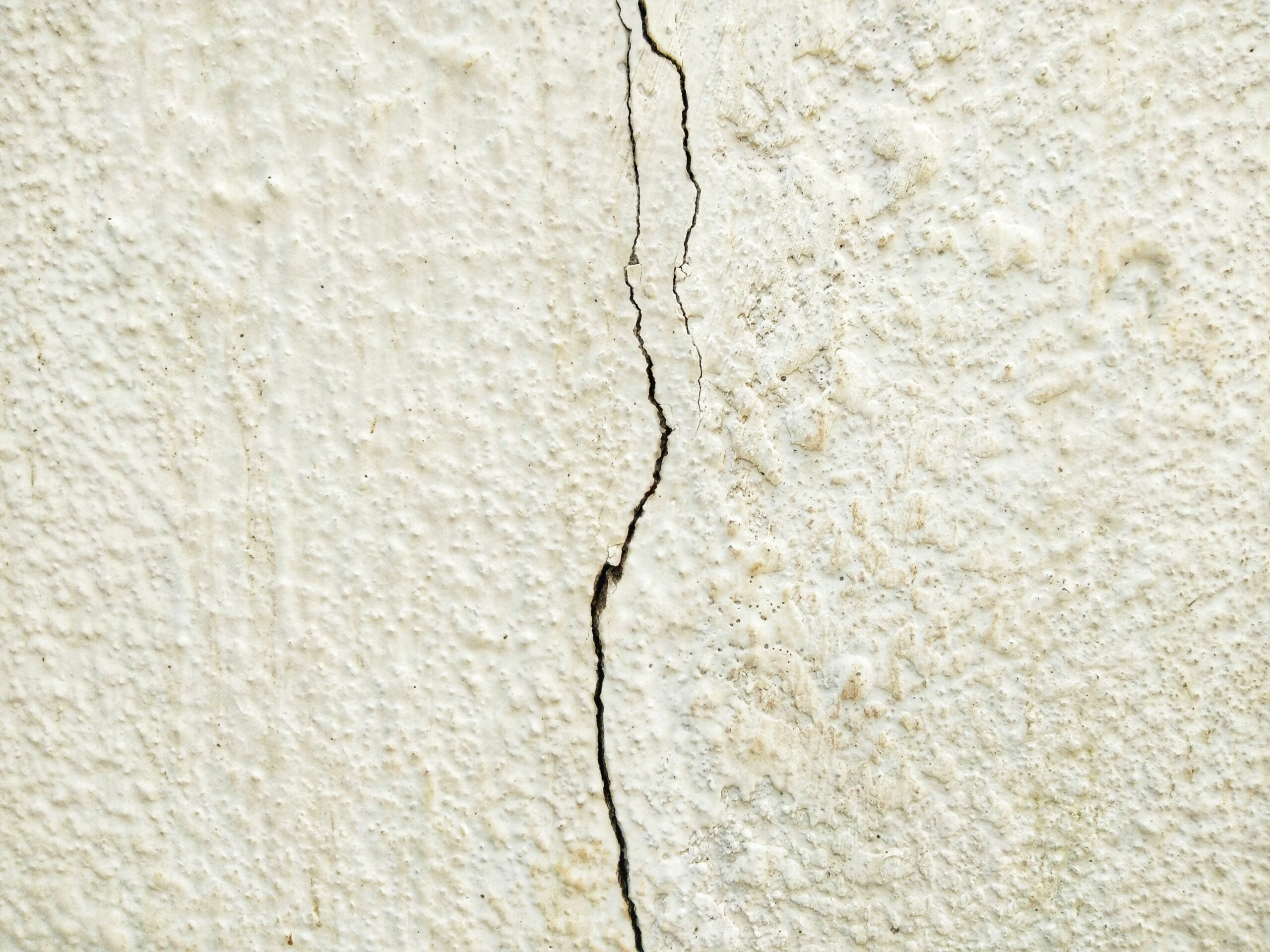
Spotting a crack in a wall or floor is never a good sign. Sometimes it’s nothing serious and can be patched quickly, but other times it can point to something more complex. Being able to tell which is which makes a difference.
Cracks show up for different reasons. In some cases, it’s just a house settling over time, especially if it’s newer. In others, there may be structural pressure involved.
Identifying the type of crack helps decide whether a simple repair will do or if expert advice is needed. Often, the real cause starts with movement in the ground beneath the house.
Foundation problems commonly begin here, when shifting soil or water-related issues create movement that leads to cracks in the structure.
1. Foundation Settlement and Movement
Every building settles some after construction. Normal. The trouble is uneven settlement or settlement that keeps going. That almost always traces back to the soil beneath the foundation. Moisture changes make it expand and contract. Foundation moves. Stress travels up. Cracks appear.
Signs are specific:
- Cracks wider at top (sinking) or bottom (heaving);
- Stair-step cracks in masonry;
- Repairs that fail—if it’s back, movement’s still active.
2. Soil Conditions and Water Damage
Foundation problems often come from the soil type. Expansive clay is one of the main ones that cause trouble. It expands a lot when it gets wet and shrinks when it dries. The constant change stresses the foundation walls.
Prolonged soil saturation from poor drainage generates hydrostatic pressure against foundation walls. This lateral load results in wall bowing or horizontal fractures.
Indicators:
- Efflorescence: White mineral deposits from moisture migration.
- Dampness: Moisture or musty odor at the wall-floor joint.
- Ponding: Standing water against the foundation perimeter.
3. Thermal Expansion and Contraction
Building materials expand when heated and contract when cooled. Wood also responds to moisture, swelling in humid conditions and shrinking when dry. While these daily dimensional changes are minor, they accumulate over time.
The resulting stress concentrates at joints and connection points until the materials fail—most often visible as cracks or damage in walls.
The cracks tend to show up in the same places every time:
- Right where door and window frames meet the wall—different materials, different movement rates.
- Along drywall seams, especially that tricky corner where the wall meets the ceiling.
- Across long, uninterrupted wall spans that have nowhere to hide from the pressure.
In most cases, these are just hairline fractures, running at angles from corners. They’re cosmetic, not structural, and they might even change with the weather.
But here’s the thing: if you just cover them up with regular joint compound, they’ll probably come back. The smarter move? Use flexible caulk in areas with big temperature swings. It bends a little, so it doesn’t have to break.
4. Poor Construction and Material Defects
Sometimes cracks have nothing to do with soil or vibration. They’re just bad construction. Cheap materials, concrete that wasn’t mixed or cured properly, load-bearing walls that aren’t really bearing the load—it all leads to cracking eventually.
What to look for:
- Shrinkage cracks in new concrete floors or driveways. Happens as it dries.
- Lintel cracks above windows or doors. Steel support rusts or fails, brickwork above sags.
5. Seismic Activity and Vibrations
Seismic activity shakes the ground. This stresses buildings. Small earthquakes send vibrations through the structure. The vibrations affect weak areas most: window frames, joints between blocks, places where materials change.
Buildings near roads, train tracks, or construction sites get vibrations all the time from traffic or machines. Single vehicles or trains usually cause no damage. But constant exposure over long periods weakens materials and leads to cracks.
If new cracks show up after an earthquake or during nearby construction, get them checked. A qualified inspector can say if there is structural damage.
6. Overloading and Structural Stress
Every house has a weight limit. Go over it, and things start breaking. Common causes are adding a second floor, switching to heavier roof tiles, or parking trucks on a slab meant for cars. That extra weight has to go somewhere, and it usually ends up stressing the framing.
Signs show up as vertical cracks in load-bearing walls. Walls that aren’t plumb. Floor joists that sag, making floors feel uneven and causing ceiling cracks below. Beams can crack near their ends, too.
You have two choices. Remove the weight or reinforce the structure with steel posts and beams. Ignoring it just lets things get worse.
When to Worry
Most wall cracks aren’t a concern. You can patch thin plaster lines and move on. But certain cracks indicate structural issues. Look for cracks wider than a quarter inch. Also pay attention if a crack is noticeably wider at the top or bottom—uneven width means ongoing movement.
Pay attention to your doors and windows too. If they start sticking out of nowhere, the frame has probably shifted. And obviously, if a wall is bulging or leaning, or if you can see water coming through a crack, that’s not something to put off.
The thing is, cracks like these are just symptoms. The real issue is whatever is causing them. Maybe water isn’t draining right. Maybe there’s a leak underground. Maybe the foundation is settling unevenly. Track down that root cause and fix it. That’s how you make sure the cracks don’t keep coming back.
Conclusion
Seeing a crack in your wall is pretty normal. Most of the time, it’s just from the house settling or materials expanding and contracting—nothing a little filler can’t handle. But there’s more to consider if other issues show up.
When doors start sticking or you notice damp smells and sloping floors, that crack is telling you there’s a bigger problem underneath. It usually comes down to water getting in where it shouldn’t or the foundation shifting. Address those root causes first, and the cracks will stop reappearing.