 Mylarith Qynthoril
You fell in love with the idea. A log home. Your own little piece of the woods. But then you start looking. And wow. There are so many choices. Handcrafted. Milled. Round. Square. Dovetail. Butt and pass. It is a lot. Here is the thing though. Your choice is not just about looks. It changes everything. How warm you stay. How often you stain. How much you fight leaks.
The style you pick today will whisper in your ear for the next thirty years. So let us break it down. No fluff. Just the real stuff that matters when the wind howls and the snow piles up.
Starting With the Easy Button
Some folks want a simpler path. They like predictability. They like a straightforward build. That is where log cabin kits come into the picture. These are factory-cut packages. The logs are milled to a uniform shape. They fit together like puzzle pieces. There is less guesswork. Less on-site carving. The precision is impressive.
But here is the trade-off. Milled logs in kits often have flat surfaces. They stack tight. They shed water well. However, they can feel less unique. The charm is cleaner, not rustic. For durability, kits are solid. The consistency means fewer gaps. Fewer gaps mean less caulking. Less caulking means less weekend work for you. That is a win for busy folks.
The Wild Heart of Handcrafted
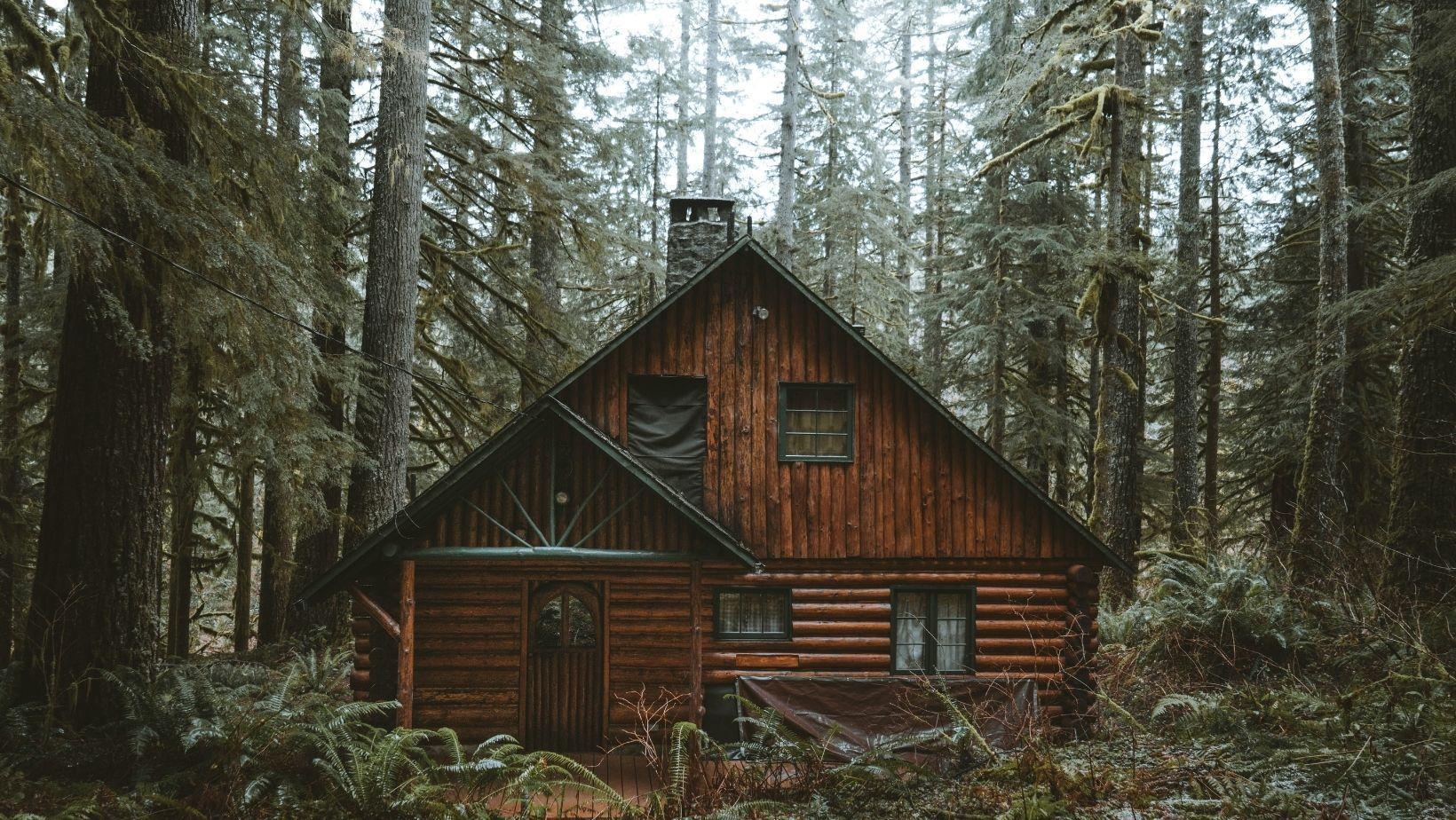
Then you have the handmade route. This is the romance pick. Each log is peeled and shaped by human hands. No two are the same. The walls have curves. They have taper. They have bark marks and saw scratches. This style breathes personality. It feels ancient in the best way. But durability gets trickier. Handcrafted logs settle more. They shift and groan for a few years.
That movement opens cracks. Those cracks invite bugs and rain. You have to watch them closely. You have to re-chink more often. Comfort wise, these thick uneven walls are amazing. They hold heat like a bear in winter. They stay cool in summer. Just know you signed up for a relationship with your home. It needs your attention.
Round vs Square: The Shape Fight
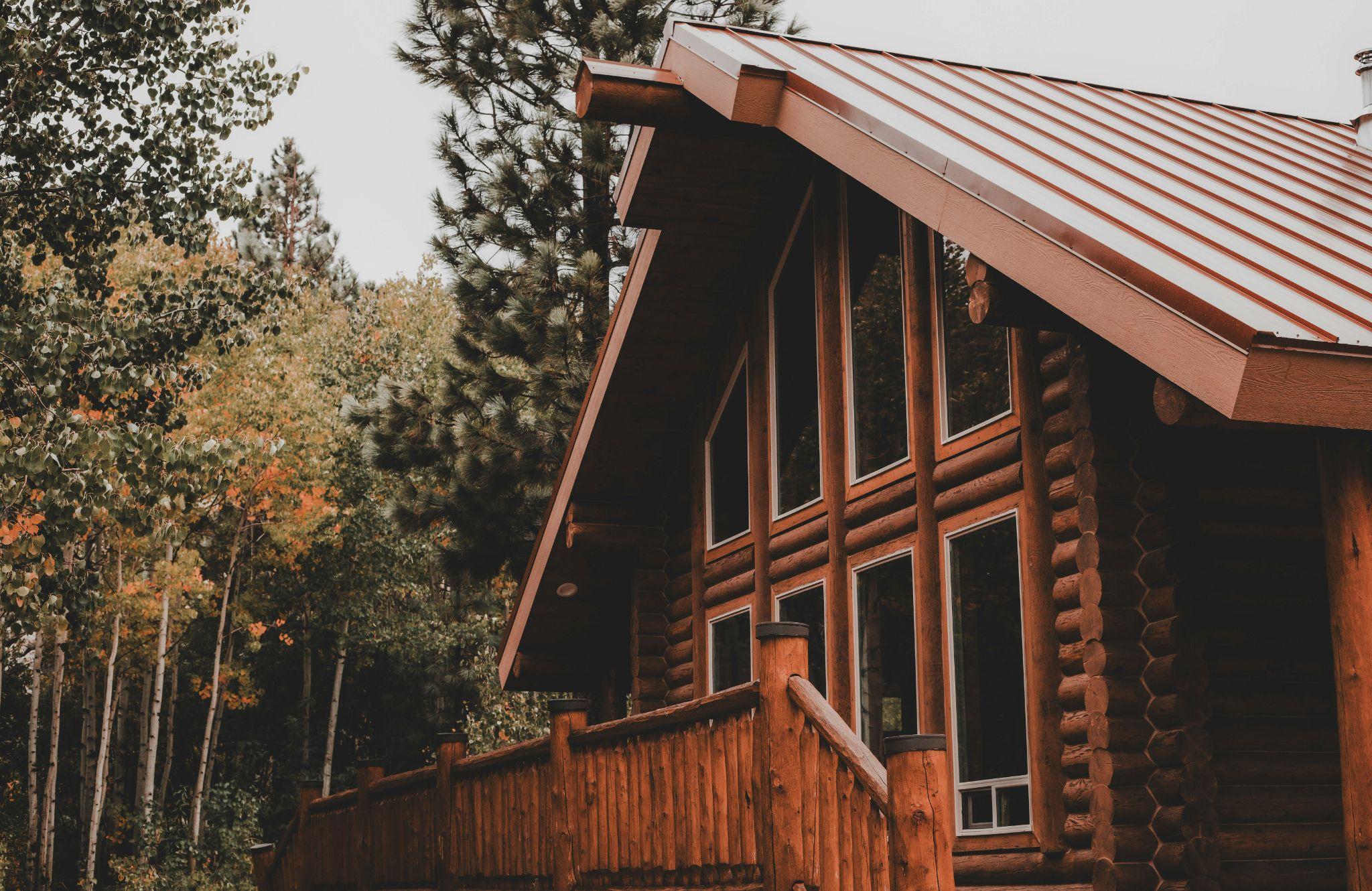
Round logs are the classic look. Everybody pictures them. They roll rain off nicely. They look natural and soft. But they are harder to seal. The curved surface leaves tiny gaps at the corners. Chinking has to fill those weird spaces. Over time, chinking shrinks and pulls away.
Then you get drafts. Square or rectangular logs are different. They stack flat. They sit flush. Sealing is more straightforward. You can use modern gaskets and foam tapes. The look is cleaner, almost Scandinavian. Some folks say square logs feel less authentic. But your heating bill will thank you. And you will spend fewer afternoons with a caulk gun. Choose your battle.
The Corner Mystery
Corners matter more than you think. The way logs meet at the corners changes everything. A dovetail joint is beautiful. It looks like furniture. It locks tight. Water has a hard time sneaking through. But dovetails are fussy. They require precision. If the wood shrinks unevenly, gaps appear. A butt-and-pass corner is simpler. Logs just stack past each other. It looks rugged. It handles settling better.
However, those exposed ends soak up rain like straws. You have to seal them religiously. A saddle notch is the old-school cowboy choice. It sheds water beautifully. It is strong. It costs more to craft. Each style has a durability trade-off. Pick the one that matches your local weather and your patience level.
Wood Species: The Unsung Hero
Nobody talks about wood enough. They get lost in style. But the tree itself is the star. Pine is common. It is cheap. It is soft. It dents easily. It checks a lot. Bugs love it. Pine works fine in dry climates. In wet places, it struggles. Cedar is the champion. It resists rot naturally. Bugs hate the smell. It moves less with humidity. But cedar costs more. It is softer than oak.
Spruce is light and bright. It insulates well. But it hates moisture even more than pine. Douglas fir is tough. It is hard and strong. It takes stain beautifully. It resists warping. But it is heavy. Your foundation has to be serious. Match the species to your style and your weather. Do not just pick what is cheapest.
Settling and Shrinkage Drama
Wood is not dead. It keeps changing. It dries out over years. It shrinks. A twenty-foot wall might drop an inch or more. That is normal. But it causes problems. Doors get stuck. Windows crack. Staircases pull away from walls. Different log styles handle settling differently. Milled logs are more predictable. They are cut when dry. They shrink less.
Handcrafted logs are often greener. They shrink more. Some building systems use screw jacks. You adjust them over time. Other styles use slip joints. They let the logs slide past windows. Ask your builder about settling. Plan for it. Ignoring it is the fastest way to broken glass and stuck doors.
Comfort Beyond the Thermostat
Durability is one thing. Comfort is another. You can have a durable cabin that feels like a cave. Or a cozy one that needs constant work. Thick logs give you thermal mass. They soak up heat during the day. They release it at night. That smooths out temperature swings. But style affects this.
Round logs have more mass. They feel more stable. Flat milled logs can be thinner. They heat up and cool down faster. Corner style matters too. Drafty corners make cold spots. Bad chinking makes whistling noises. Your comfort comes down to the details. Not just the big picture. Walk through a finished home in each style if you can. Feel the difference. Your bones will tell you the truth.
A Final Honest Word
There is no perfect style. Just the right style for you. If you want low maintenance, go milled. If you want soul, go handcrafted. If you hate drafts, focus on corners. If you love big windows, talk about settling. Your log home is a partnership. The style you choose sets the terms. Some styles ask for a little work every year.
Others ask for a lot every month. Be honest with yourself. How much time do you have? How handy are you? How much does a perfect rustic look mean to you? Answer those questions first. Then pick your logs. You will be happy you did. For a long long time.