 Mylarith Qynthoril
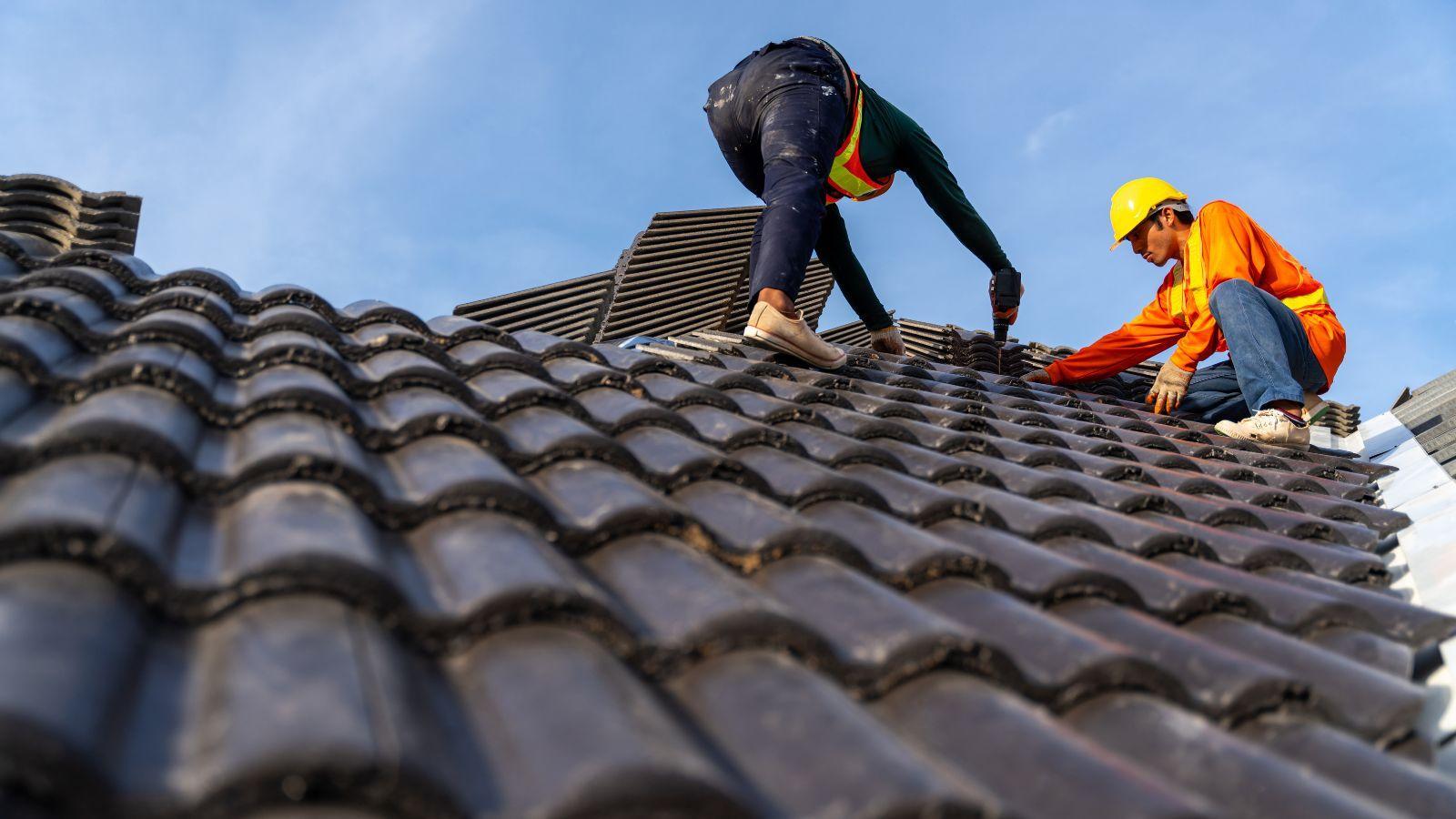
Every time a heavy storm rolls through, millions of homeowners stare at a water stain on the ceiling and ask the same question: Can I get away with a simple patch, or is it time for a completely new roof?
The roofing replacement industry is plagued by generic advice, but the truth is purely mathematical. Deciding whether to repair or replace isn’t about guesswork; it’s about calculating the long-term cost of capital, localized labor inflation, and the hidden structural risks of delaying the inevitable.
The 30% Rule and The Tipping Point of Patchwork
Insight from our internal project dataset reveals a stark reality: homeowners who delay a necessary replacement by patching their roof more than three times end up spending 22.4% more over a 10-year period than those who opted for a full replacement immediately.
While a quick patch might seem like a $500 victory today, a full replacement anchors your home’s protection for the next 25 to 30 years—locking in current labor and material rates before they inflate further. The industry standard dictates that if more than 30% of your roof’s square footage requires repairs, or if the asphalt shingles are past their 15-year mark, a full replacement is the financially superior choice.
Feeling overwhelmed by conflicting contractor quotes and not sure where your roof falls on this spectrum? Get a clear, localized baseline by letting us help you compare apples to apples.
Nationwide Trends vs. Hyper-Local Realities
Even when looking at nationwide data, local housing stock and municipal codes dictate the final math. For instance, if you are looking at the historic housing stock in New England, you’ll find strict building department quirks—like in Boston, where repairing a historic slate roof often triggers mandatory, costly structural inspections for the entire decking system.
Contrast that with a high-heat market like Phoenix’s 85004 ZIP code. Here, the local material trend has rapidly shifted away from standard 3-tab asphalt toward heat-reflective metal or concrete tile. A homeowner in Phoenix might patch a 10-year-old asphalt roof, only to find the sun bakes the new shingles at a different rate, causing premature failure. Compare this to a coastal ZIP like Miami’s 33139, where stringent High-Velocity Hurricane Zone (HVHZ) codes often render piecemeal repairs functionally obsolete, as layering new shingles over old ones is strictly forbidden and structurally dangerous.
The Hidden Insurance and Appraisal Factors
Another common homeowner objection is: “I can just patch it to keep my insurance premiums down.”
Insight from our internal project dataset counters this fear directly. In fact, relying on persistent patchwork often flags a property as high-risk during insurance underwriting. A documented, permitted roof replacement completed by [licensed and insured roofing contractor] frequently results in premium discounts ranging from 5% to 15% annually, depending on your carrier and the localized wind mitigation standards.
When it comes time to sell, buyers are acutely aware of the [ROI of modern roofing materials]. A patched roof is a massive red flag on a home inspector’s report, almost guaranteeing that the buyer will demand a credit for the full cost of a replacement at closing. By replacing the roof on your own terms, you control the contractor selection, the material quality, and the final price.
Making the Call
Stop treating your roof like a subscription service of endless micro-repairs. Calculate the age of your roof, assess the square footage of the damage, and factor in your local building codes. If the math points to replacement, executing it now rather than later is the ultimate hedge against future inflation.
Why Mr. Remodel? Putting Data into Action
The insights in this article come directly from our deep experience nationwide. We believe homeowners deserve transparent, data-driven advice before making a major investment. That is the core of our process.
What MrRemodel.com Does
• They connect you with real, local remodeling contractors who want your project.
• You tell them what you need. They send it to licensed and insured pros in your area.
• Those contractors give you real price estimates, not ads or ballpark numbers.
• You choose who to talk to. There is no obligation to hire anyone.
Ready to start your project with a team that values data and transparency? Apply through MrRemodel.com today for a free, no-obligation quote.