 Mylarith Qynthoril
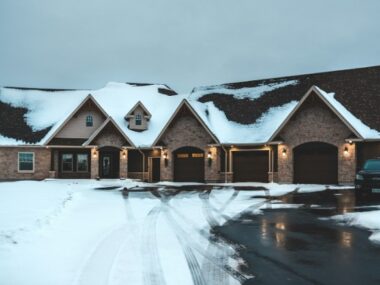
Moving into an established neighborhood can be one of the most rewarding experiences for homeowners. Mature trees, distinctive architecture, and a stronger sense of character often make these communities more desirable than newer developments.
Homeowners often discover that moving through older residential streetscapes requires more planning than expected, as established neighborhoods frequently feature mature landscaping, tighter access points, and homes built long before modern moving equipment became common.
While these communities offer many advantages, they also present a few moving-day challenges that are easy to overlook. Understanding them ahead of time can help homeowners avoid unnecessary stress and enjoy a smoother transition into their new home.
Every Property Has Its Own Personality
One of the things people love most about established neighborhoods is that homes rarely feel identical. Instead of row after row of similar floor plans, buyers often find unique layouts, custom additions, mature landscaping, and design features that have evolved over decades.
That individuality is part of the appeal, but it also means every move requires a little more attention. A property that looks straightforward during a showing may reveal logistical challenges once furniture, boxes, and moving equipment arrive.
Taking time to evaluate the property before moving day can make a significant difference.
Access Matters More Than Most People Realize
Many moving-day frustrations happen before the first box even enters the home.
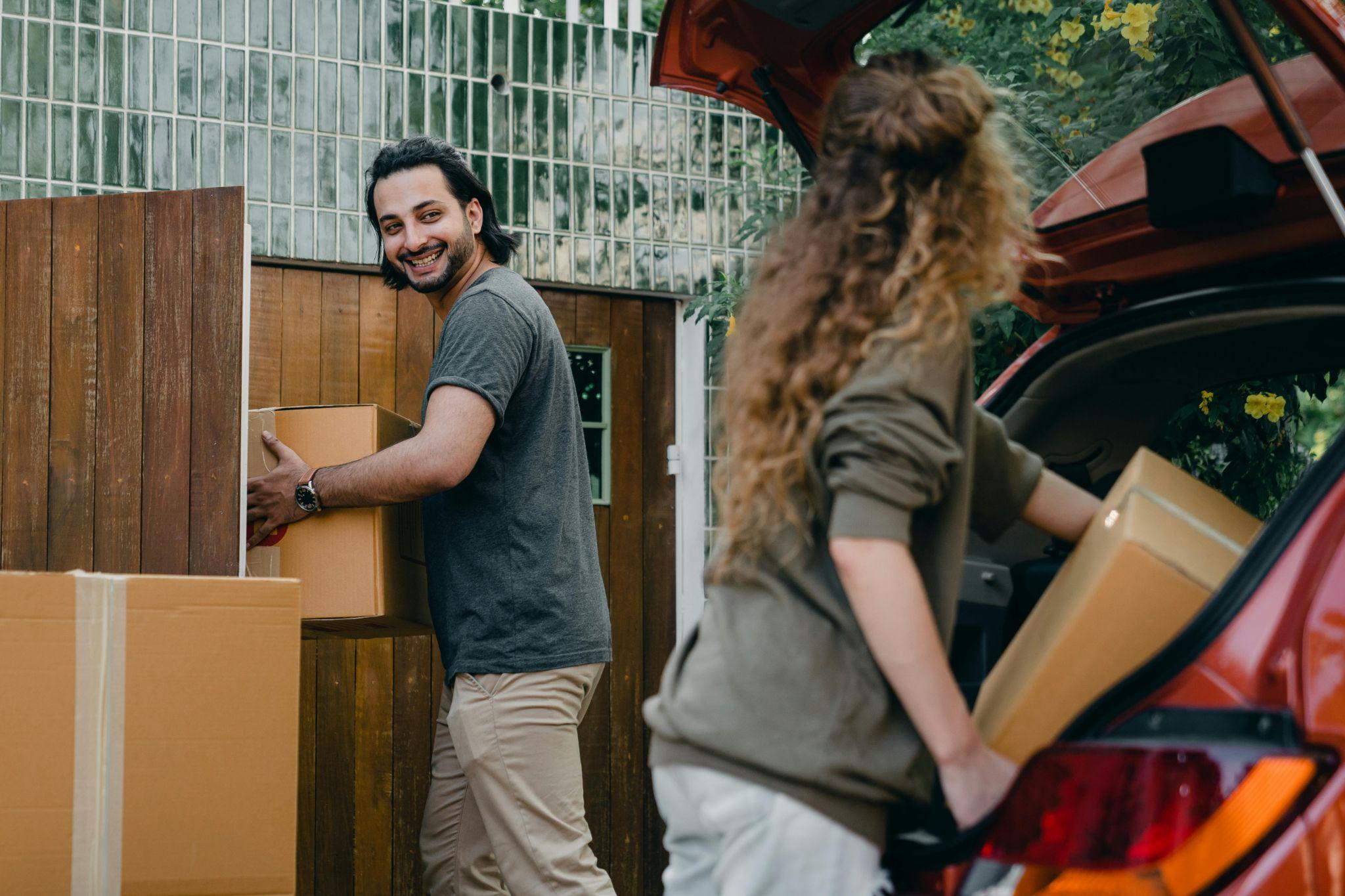
Driveways, sidewalks, entryways, and loading areas all play a role in how efficiently a move unfolds. What appears to be a simple unloading process can become more complicated when large furniture pieces, appliances, and dozens of boxes need to be transported safely.
Homeowners who walk the property in advance and think through how belongings will enter the home often find the process much easier. Identifying potential obstacles early allows problems to be solved before they become delays.
Protecting Outdoor Spaces Is Worth the Effort
Established neighborhoods are often known for beautiful outdoor environments. Mature trees provide shade, landscaping adds curb appeal, and well-maintained yards help create a welcoming atmosphere.
Unfortunately, moving day can be hard on these features.
Repeated foot traffic, furniture dollies, and heavy items carried across the property can cause damage if precautions are not taken. Homeowners should consider where movers will walk, where items will be staged, and which areas need extra protection.
A little planning before the truck arrives can help preserve the property’s appearance and prevent avoidable repairs afterward.
Bigger Furniture Doesn’t Always Fit Like Expected
One common mistake homeowners make is assuming furniture that fit comfortably in one house will fit just as easily in another.
In reality, established homes often feature unique layouts that can create challenges for oversized items. Hallways may be narrower, staircases may turn more sharply, and entryways may not provide as much clearance as expected.
Measuring large furniture before moving day can eliminate a surprising amount of frustration. Knowing dimensions ahead of time allows homeowners to plan placement, determine whether items need to be disassembled, and avoid unnecessary complications during unloading.
The Empty House Opportunity
Many homeowners are eager to start unpacking as soon as they receive the keys. While that excitement is understandable, it is often worth taking advantage of the brief period when the home is still empty.
An empty house is much easier to clean, inspect, and prepare.
This is an excellent time to:
Completing these tasks before furniture fills the rooms can save considerable time later.
The First Few Days Set the Tone
The first week after moving often determines how quickly a house begins to feel like home.
Rather than attempting to unpack everything immediately, many homeowners benefit from focusing on the essentials first. Bedrooms, bathrooms, and kitchen basics typically provide the greatest immediate value.
Creating functional living spaces early allows the rest of the unpacking process to happen at a more comfortable pace. This approach also reduces the feeling of chaos that often accompanies a move.
Keep Important Items Easily Accessible
One lesson many homeowners learn the hard way is that certain items should never disappear into random boxes.
Documents, medications, chargers, basic tools, toiletries, and cleaning supplies should remain easily accessible throughout the move. Having these essentials available can make the first night in the new home significantly more comfortable.
A small amount of organization before moving day often prevents hours of searching afterward.
Expect a Few Surprises
Even the best-planned move rarely unfolds perfectly. There may be scheduling adjustments, minor repairs, delayed deliveries, or unexpected tasks that need attention after arrival.
Rather than expecting perfection, homeowners should build flexibility into their plans. A realistic schedule and a small contingency budget can help reduce stress when unexpected situations arise.
Preparation remains important, but adaptability is often just as valuable.
Why Preparation Pays Off
Moving into an established neighborhood comes with many rewards. The charm, character, and long-term appeal of these communities continue to attract homeowners year after year.
The key is understanding that older neighborhoods sometimes require a little more planning than newer developments. Homeowners who plan for access, furniture placement, property protection, and move-in logistics in advance are often rewarded with a smoother, less stressful experience.
Final Thoughts
Established neighborhoods offer a unique combination of beauty, character, and lasting appeal. While moving into these communities may require extra preparation, the effort is usually well worth it.
By planning ahead, protecting the property, and approaching moving day with realistic expectations, homeowners can avoid common problems and start enjoying their new home sooner.