 Qyndarix Thalendros
In the evolving world of architectural design, exterior wall panels have become a cornerstone for those aiming to enhance both aesthetic appeal and functional utility. Among the numerous options available, the ability to shop outdoor panels has never been easier or more rewarding, offering homeowners and designers a plethora of choices tailored to modern aesthetics and environmental considerations.
Understanding the Role of Exterior Panels
Exterior wall panels serve as protective shields for buildings. They can offer several benefits, including weather protection, improved thermal performance when combined with suitable insulation systems, and an attractive facade. These panels are constructed from various materials, including wood, metal, and composite. The right choice can contribute to improved energy efficiency when used with suitable insulation, protect the building from weather exposure, and enhance its overall appearance and potential property value.
Material Options for Outdoor Panels
Wood-Based Panels
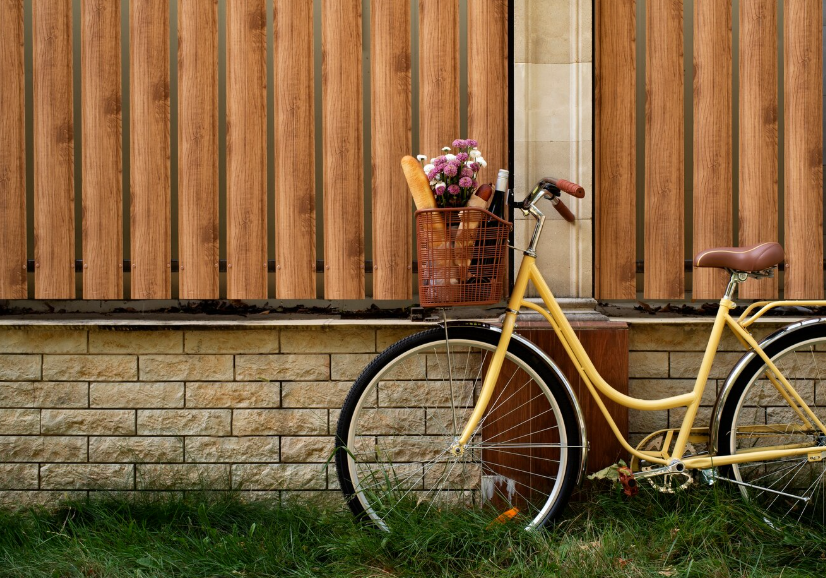
Wood panels have remained a popular choice due to their natural appearance and versatility. Among the options, white oak is valued for its durability and natural resistance to moisture. However, its suitability for exterior applications depends on the treatment, finish, installation, and exposure conditions. Panels like those found on WoodyWalls blur the line between natural beauty and practical performance.
Metal Panels
Metal panels, often crafted from aluminum or steel, provide robust protection against harsh external environments. They are acclaimed for their modern look and longevity. The use of these panels is especially prevalent in urban areas where sleek, industrial aesthetics are desired.
Composite Panels
Composite panels marry the best features of wood and synthetic materials. These are engineered to offer the appearance of natural wood with enhanced durability and lower maintenance requirements. Their versatility makes them suitable for a wide range of architectural styles.
Innovations in Design and Functionality
With sustainability becoming a central theme in construction, innovation is crucial in the design of exterior wall panels.
Eco-Friendly Solutions
Modern panels are increasingly designed with sustainability in mind. Options made from recycled materials are gaining traction and are ideal for eco-conscious projects. These panels minimize environmental impact without compromising on quality or appearance.
Smart Technology Integration
Technological advancements have introduced innovative exterior panel systems that can incorporate features such as integrated solar cells, environmental sensors, and self-cleaning surface coatings. Depending on their design, these technologies can support energy generation, monitor environmental conditions, or reduce cleaning requirements.
Installation and Maintenance
Proper installation and maintenance are key to maximising the longevity and functionality of outdoor panels.
Installation Best Practices
The installation process varies depending on the material and design of the panels. It is vital to adhere to manufacturer guidelines to avoid issues such as warping, misalignment, and moisture infiltration. Hiring experienced professionals ensures the panels are properly aligned and secured, which is crucial for their performance and appearance.
Maintenance Advice
The maintenance needs of exterior panels differ based on their material. Wood panels require regular sealing or staining to preserve their appearance and prevent decay. Metal panels may need occasional cleaning to remove debris and prevent corrosion. Composite panels are relatively low-maintenance, usually only requiring periodic cleaning.
Aesthetic Considerations
The visual impact of exterior panels cannot be overstated. They often define the first impression of a property.
Color and Texture Variations
The choice of color and texture can dramatically alter the exterior look of a building. Light colors might make a property appear larger or more inviting, while darker hues can add a sense of elegance and sophistication. Textured panels can provide depth and interest, creating a more dynamic facade.
Customization Options
Customization is now more accessible than ever, with panels available in a wide range of styles, colors, and finishes. This enables architects and designers to tailor the exterior of a building to its specific context or desired aesthetic theme, ensuring a seamless fit with the surrounding environment.
The Future of Exterior Panels
The market for exterior panels is poised for exciting developments. With ongoing research into materials science and building technologies, future panels are expected to deliver even greater performance, versatility, and durability.
Emerging Trends
Trends indicate a growing preference for panels that integrate renewable energy sources, such as solar panels that blend seamlessly into wall designs. The emphasis on eco-friendly building materials is set to continue, driving innovation in sustainable architecture.
Potential Challenges
Despite technological advancements, challenges remain regarding cost, availability, and the environmental impact of some materials. Addressing these concerns requires a balance of innovation, consumer demand, and regulatory support.
In summary, the dynamic field of exterior wall panels offers endless possibilities for innovation and design. Those looking to enhance their building’s exterior can explore the diverse range of options available. With the ability to easily shop outdoor panels online or in stores, achieving the ideal blend of aesthetics, function, and sustainability is within reach for architects, builders, and home enthusiasts alike.