 Mylarith Qynthoril
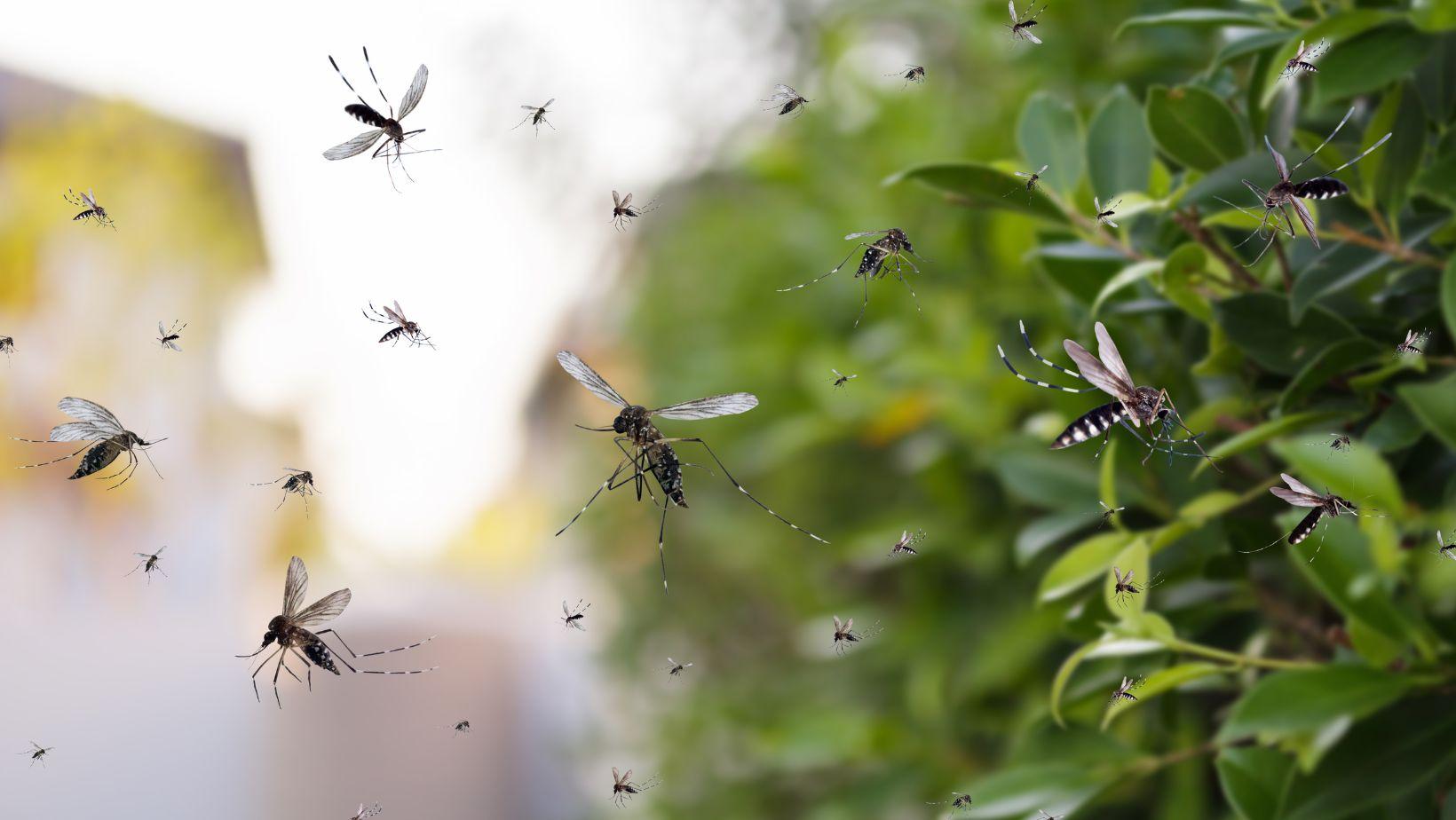
Mosquito advice spreads quickly, and a lot of it is wrong. A plant that supposedly repels them completely, a bug zapper that clears the yard, or a belief that only swamps breed them can lead homeowners to spend time and money on the wrong steps. Effective prevention depends on how mosquitoes actually live. They breed in tiny amounts of water, hide in sheltered spots during the day, and bite at different times depending on the species. The sections below correct common beliefs and offer practical checks that make a real difference.
The Myth That Mosquitoes Need Large Pools of Water
Many people picture mosquito breeding as a pond or swamp problem. In reality, some of the most troublesome species lay eggs in very small containers. A bottle cap, a clogged gutter, a plant saucer, a child’s toy, or a folded tarp can hold enough water for a new generation.
Eggs are laid at or just above the water line and hatch once the water rises. Larvae develop in standing water, and the cycle from egg to adult can take roughly a week or two in warm weather. That speed is why a forgotten bucket after a rainstorm can produce a swarm. Understanding this shifts attention from distant ponds to small items in your own yard. Anyone reading busting myths mosquito edition style explanations will see that size does not matter nearly as much as how long water sits undisturbed. Even a thimbleful of stagnant water can be enough in the right conditions.
The Myth That One Plant Solves the Problem
Citronella, lavender, marigolds, and other plants are often promoted as mosquito eliminators. Some contain compounds used in repellents, but a living plant releases them in small amounts and does not create a protective barrier across a yard. Crushed leaves may offer short-term, limited protection on the skin, though it is far less reliable than registered repellents.
Planting a border of fragrant herbs can make a garden more pleasant, yet it will not remove standing water or the places mosquitoes rest. Relying on plants alone also creates a false sense of security, which delays real steps such as dumping containers. Treat plants as an attractive extra, not a primary defense. Reliable prevention focuses on eliminating breeding sites and using proven personal protection when outdoors. Correcting this belief frees up effort for tasks that actually reduce numbers, which is the point of busting myths mosquito edition claims in the first place.
The Myth That Mosquitoes Bite Only at Dusk
Dawn and dusk are peak times for many species, which is how the idea took hold. Other mosquitoes behave differently. Several container-breeding species are active during the day, particularly in shaded areas, and some will bite indoors or on cloudy afternoons.
During the hottest hours, mosquitoes rest in cool, humid, sheltered spots, including dense shrubs, tall grass, under decks, and beneath patio furniture. Disturbing that vegetation can send them flying. Understanding why effective mosquito prevention depends on behavior means adjusting habits: apply repellent whenever you are bitten, not just in the evening, and keep shaded resting areas trimmed and open. Window screens should be intact, and doors should close tightly. Lighting does not repel mosquitoes, and many outdoor zappers kill beneficial insects while doing little to reduce bites. Accurate expectations help you pick tools that work.
Checking Containers, Gutters, and Drainage
A weekly walk around the yard takes about ten minutes and catches most breeding sites. Look for water in these places:
- Buckets, wheelbarrows, tarps, and tire stacks
- Plant saucers, birdbaths, and decorative fountains
- Children’s toys, wading pools, and sandbox covers
- Clogged gutters, downspout ends, and low spots in the lawn
- Trash can lids, boat covers, and grill covers
Empty, scrub, and turn over what you can. Change birdbath water at least weekly, and scrub the sides to remove eggs. Clear gutters so water drains instead of pooling, and fill low spots with soil or improve grading. Rain barrels should have tight screens. If a water feature is necessary, keep the water moving or use products designed for safe mosquito control in ponds. Because eggs can survive drying for some time, scrubbing matters as much as emptying.
Sheltered Yard Areas and Neighborhood Factors
Mosquitoes that hatch next door will visit yours, so the neighborhood matters. Talk with nearby residents about standing water, and report neglected pools or large problem sites to local authorities. Within your own property, trim tall grass, thin dense shrubs, and clear leaf piles, since these provide daytime resting places.
Fans on a patio can reduce bites, since mosquitoes are weak fliers. Choose clothing that covers skin, and use repellents registered with the Environmental Protection Agency according to label directions. If mosquito numbers remain high despite thorough work, a licensed professional can assess the property for hidden breeding spots and discuss options. Combining habits, community awareness, and targeted help provides more benefit than any single product.
End Note
Mosquito myths lead people toward the wrong solutions. Tiny amounts of water support breeding, plants alone will not drive the insects away, and activity is not limited to one hour of the day. Check containers, gutters, and drainage weekly, trim sheltered resting areas, and protect yourself with proven repellents. Prevention that matches real mosquito behavior reduces bites and keeps backyard time enjoyable.