 Craig Pornorey
Image by Magnific
Downsizing rarely goes exactly to plan. You measure the new place, sort through the old one and still end up with a handful of things you are not ready to part with. Maybe it is a set of family photo albums, a favourite armchair, winter sports gear or boxes of paperwork you need to keep for a few more years. Moving between homes creates the same problem in a different way, especially when the dates do not line up.
A small storage unit can solve that without the cost of renting more space than you need. The trick is knowing what will actually fit before you sign up.
How Big Is a 5×5 Unit
A 5×5 storage unit measures five feet wide by five feet deep, which gives you 25 square feet of floor space. Most facilities offer a ceiling height of around eight feet, so the real capacity is closer to 200 cubic feet if you stack carefully. The easiest way to picture it is a large walk in closet.
That makes a 5×5 storage unit a good match for the contents of a single bedroom, a dorm room or a collection of seasonal items. It is not designed for a full sofa, a dining table or large appliances, but it handles a surprising amount when it is packed with a plan.
What Typically Fits
A 5×5 unit works well for boxes, small furniture and items you do not use every day. Think of moving boxes filled with books, kitchen extras, clothing or files. Holiday decorations, camping equipment, golf clubs, skis and bicycles often fit, especially if bikes are stored upright or with the front wheel removed. Small furniture such as a nightstand, a desk chair, a side table or a dismantled bed frame can also go in, along with a twin mattress stood on its side.
What usually does not fit comfortably is anything long, wide or bulky. Sofas, sectionals, king size mattresses, dressers with mirrors and large appliances need a bigger unit. If your list includes even one of these, it is worth looking at a 5×10 instead.
Measure Before You Commit
Before you reserve a unit, make a quick inventory of what you plan to store and measure the larger items. Write down the length, width and height of each piece of furniture. Count the boxes you expect to use and note their size. Standard moving boxes come in small, medium and large, and mixing sizes makes packing harder.
Then do a simple check. If the floor footprint of your furniture plus the boxes stacked to a safe height fits inside a five by five square, you are in good shape. If it is close, choose the next size up. Paying a little more each month is usually cheaper than trying to cram everything in and damaging it.
Pack to Use Every Inch
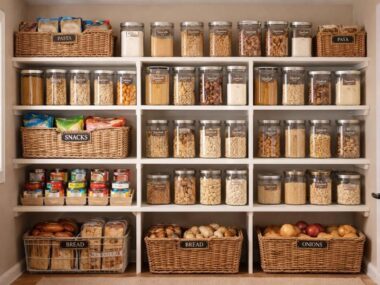
The way you load a small unit matters as much as what you put in it. Use boxes of the same size wherever possible so they stack neatly and evenly. Put the heaviest boxes on the bottom and the lightest on top. Disassemble furniture when you can, and keep screws and small parts in labelled bags taped to the main piece.
Use vertical space. Tall items like folded bed frames, rolled rugs and mattresses can stand against the back wall. Fill the gaps inside drawers and cabinets with small, soft items. Label every box on at least two sides, and place the things you may need to reach first near the door.
Think About Climate and Access
Some items are more sensitive than others. Photographs, documents, electronics, wooden furniture and musical instruments can be affected by heat and humidity. If you plan to store these for months, ask whether the facility offers climate control and what conditions it maintains.
Access hours matter too. If you need to get to your belongings in the evening or on weekends, check when the gate is open and how you get in. Many facilities offer drive up units, which make loading and unloading much easier when you are moving boxes on your own.
How Long You Will Need It
Storage works best when it has a purpose and a timeline. If you are between homes, the unit may only be needed for a few weeks. If you are downsizing gradually, it can give you breathing room to decide what to keep, sell or donate without rushing. Set a date to review the contents, and be honest about whether you are storing things you will use again or things you simply have not decided about yet.
The Self Storage Association offers general information about the industry and what to expect from a storage facility, which can help when comparing options.
A Small Space With a Big Job
A 5×5 unit will not hold a whole household, but for the right set of belongings it is a practical and affordable solution. With a clear inventory, a few measurements and smart packing, you can make the most of every inch and move through your downsizing or relocation with one less thing to worry about.