Craig Pornorey
Selling an older home is often a race against time and popular taste. But homeowners in the United States don’t need a huge renovation budget to get a big return on investment. Strategic planning and minor updates can create a huge impact on buyer perception of the property, thus boosting both interest and perceived value.
Some small amendments can fill in the space between “dated” and “desirable.” Prioritizing high-impact rooms like the entryway, wall colors, and lighting makes a statement. Homeowners looking to fund these updates or explore financial options for their property can turn to LBC Capital for tailored solutions, helping maximize returns while keeping costs manageable.
Modernize Exterior Surfaces
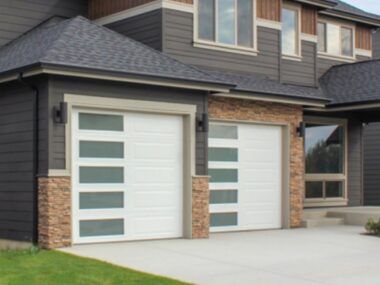
From the sidewalk, you make your first impressions. In the U.S. housing market, a well-kept exterior can equal as much as 7% of a home’s value. For a period property, this begins with the front door.
Replacing an old wooden door with a new steel or fiberglass version always ranks high for cost recovery. If replacing it isn’t in the cards, one or two coats of eye-popping paint—charcoal gray or navy blue—would work wonders as an instant statement centerpiece. Things such as the following help maximize curb appeal and make a good first impression:
- Keep exterior surfaces, including siding, gutters, and walkways, clean and repaired.
- Reshape the lights at the front to elevate the light and make it look more common.
- Add charming touches like a new doormat, house numbers, or planters.
Landscaping and Hardware
Easy maintenance wins most of the time over complex gardening. Removing overgrown shrubs that block windows lets more light into the home and makes it seem larger from the sidewalk. New mulch and walkways brighten the look of the house, a sign that it has been cared for through the years.
Little things like swapping out rusty house numbers or a dated mailbox for shiny brushed nickel or matte black hardware will give the buyer an indication that you haven’t let your home go unmodernized. Such minor costs remove the stigma of a “project house”: older builds that need fixing up.
Refresh Interior Palettes
Paint is the most affordable means of changing a tight or dark interior. Older homes tend to have “off-white” walls that have yellowed over the years or bold wallpaper left over from decades past. Professional stagers recommend switching to “greige” or soft white tones. Light-reflective tones provide a blank canvas to prospective buyers, as well as communicate that living spaces have a sense of continuity and airy feel through a consistent color scheme.
Surface Restoration
Outside the walls, concentrate on trim and ceilings. Dreary baseboards and crown molding can make a space dusty, no matter how clean it is. A brilliant semi-gloss white covering all trim work provides a sultry contrast with neutral wall colors. If old carpeting lies over hardwood floors in the home, pulling up the carpeting is, in almost all cases, worth doing.
Even if the wood was somewhat scratched up, in most cases, buyers would rather have original oak or pine than 20-year-old polyester fibers. In the case of kitchen cabinets, a high-end coat of paint and new handles can be thousands less than buying new ones altogether.
Optimize Spatial Flow
Space sells, especially in older homes where rooms can be smaller and more divided than today’s open-concept floor plans. The goal is to remove 30 percent of the house’s contents before the first showing. This includes too-big-for-the-room furniture that blocks the natural pathways for walking through a room.
When all it can fit is a bed and a dresser, this seems practical. When there are no bookshelves, desks, and such clutter, it feels claustrophobic. Reducing how much there is to wring out of someone’s lifestyle helps buyers focus on the architectural bones of a home rather than what kind of lifestyle the current owner has. Follow this process to make it work:
- One step we recommend for approaching a space: Walk through every room in the house and consider whether furniture and decor pieces contribute to, or crowd, the design, or block the flow of fixtures.
- Declutter: Remove 30 percent of your things, packing them away even if they seem bulky, personal, or decorative—anything that distracts from the key visual element, which is the room itself.
- Hive mind your lifestyle: De-clutter furniture in such a way that the position makes the natural traffic patterns of HR’s room show and the space larger.
- Depersonalize the space: Limit family photos, memorabilia, and unique decor so buyers can imagine their own style.
- Buyer’s read: Walk through each room and edit until it feels light, functional, and welcoming.
These steps can make older homes feel bigger and more appealing, helping a seller achieve the best price in the fastest time.
Purposeful Zoning
Each room needs to have a distinct, singular identity. In many older homes, “bonus rooms” or enclosed porches tend to be catch-all storage areas. By presenting these spaces as a dedicated home office area or a comfortable reading nook, you inject purpose into what that square footage can be worth.
Getting rid of heavy drapery and bulky window treatments also helps “open” the rooms to the outside. A clean, open layout allows a buyer to effortlessly navigate from the entryway to the backyard, for an enviably cohesive experience that resembles the flow of a far newer build.

Boost Lighting Impact
Lighting is often underdeveloped in older homes, which generally have a single overhead fixture in each room. To create a modern, inviting sensation in any house, homeowners should strive for three layers of light—ambient, task, and accent.
Swapping old, “yellow” incandescent light bulbs for 3000K LED ones gives a bright, clean glow similar to natural outdoor light but not too clinical. Simply this one change can make a basement or a small hallway feel so much more inviting. More brightness also removes dark corners that could make a home feel neglected or “spooky” to cautious buyers.