 Craig Pornorey
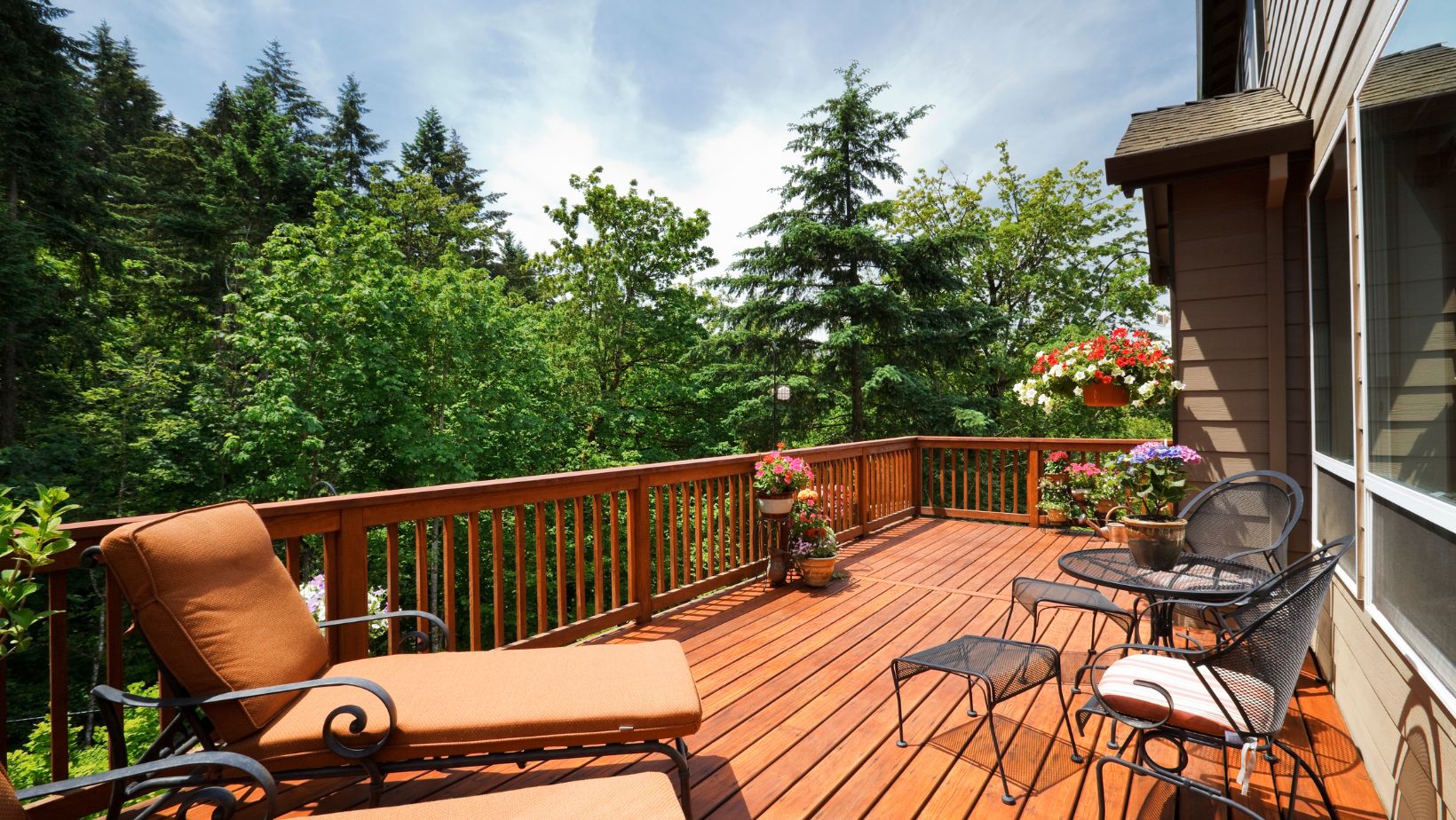
Outdoor spaces have become an essential part of how people use and enjoy their homes. Whether for morning coffee, weekend barbecues, family gatherings, or quiet evening conversations, a well-designed deck expands the living area beyond interior walls and opens up a whole new dimension of comfort and lifestyle. For many homeowners, this journey begins with exploring professional expertise, such as consulting a Columbus deck builder, to understand how design, materials, and placement influence both function and feel.
When approached thoughtfully, decking does far more than provide a flat surface in the backyard. It deepens connection with outdoor living, enhances social spaces, and can even change how daily routines unfold.
The evolving role of outdoor living
Backyards used to be places for lawn chairs and weekend projects. Today, they are extensions of indoor living spaces, offering environments for dining, relaxation, play, work, and celebration. Decks, in particular, bridge the gap between the controlled indoor environment and the refreshing openness of the outdoors.
With outdoor living gaining prominence, homeowners are no longer satisfied with simple platforms or afterthoughts. They want outdoor spaces that feel as functional and intentional as their living rooms and kitchens.
A deck with thoughtful layout and design becomes more than a home feature, it becomes a destination.
What makes a deck good?
The difference between a deck that’s just “there” and one that feels essential lies in its design. A good deck does three things simultaneously: it complements the home’s architecture, it aligns with how people live their lives, and it responds intelligently to the environment.
Location and flow matter. A deck that’s easy to access from the kitchen or main gathering area feels natural and supports everyday use. A deck tucked away in a quiet corner can become a cozy reading or meditation spot. Decks that feel disjointed from interior circulation rarely get as much use, no matter how beautiful they look in photos.
Designing with life patterns in mind, rather than purely aesthetic goal, yields spaces that feel purposeful and lived-in.
Materials that balance performance and lifestyle

Not all decking materials are the same, and the choice has real implications for durability, maintenance, and comfort. Traditional wood decking, for example, brings warmth and a natural look, but requires regular care. Composite materials provide low maintenance and high durability, resisting fading and moisture damage. PVC options offer long-lasting performance with minimal upkeep.
A material that suits the climate and the homeowner’s lifestyle ensures longevity and reduces ongoing frustration. A deck that looks great but deteriorates quickly becomes a source of stress rather than enjoyment.
A thoughtful deck design considers both form and function when choosing materials.
Designing for comfort and use
Comfort on a deck isn’t just about the furniture you choose. It begins with understanding how sunlight moves across the space, how wind patterns behave, and how to create usable zones.
For example, a morning breakfast space benefits from eastward light and perhaps a shade solution for afternoon sun. An evening gathering area may pair better with western views and lighting that enhances ambiance after dark. Thoughtful placement of seating, shade structures, and even planter boxes helps balance comfort and usability throughout the day.
Lighting design also matters. Layers of illumination, ambient, task, and accent extend usability into the evening and create visual depth that makes the space feel inviting and complete.
Integrating decks into home life
Decks are most successful when they feel connected to indoor activities. A deck accessed directly from the kitchen encourages outdoor dining and makes meal prep feel seamless. A deck adjacent to a living room fosters fluid indoor–outdoor social interactions.
These connections matter because they influence how often the deck gets used. A deck that feels like an afterthought rarely becomes a regular gathering spot. But a deck that supports everyday routines, from quick morning stretches to weekend celebrations, becomes indispensable.
It’s not about adding lounge chairs and calling it a day. It’s about designing space that supports real life.
Safety and durability: the foundation of enjoyment
Decks are exposed to weather, foot traffic, and changing seasonal conditions. A well-built deck considers more than just how it looks on move-in day. Structural integrity, secure railings, proper drainage, and moisture management all contribute to a deck that feels safe and comfortable for years.
Neglecting these aspects often leads to costly repairs or dangerous conditions down the road. Quality craftsmanship and attention to code compliance protect homeowners from surprises and ensure that enjoyment is sustained rather than short-lived.
When a deck is engineered well, it becomes a reliable part of the home that supports daily life without worry.
Seasonal adaptability and year-round use
A deck that’s designed with adaptability in mind extends its usefulness across seasons. Shade structures, pergolas, retractable screens, and weather-resistant furniture help make decks comfortable in summer and spring. Fire features, outdoor heaters, and insulated seating areas help expand use into cooler months.
Planning for seasonal variation recognizes that outdoor living is not only for summer. Outdoor spaces that function year-round increase the return on investment in both enjoyment and property value.
Storage and organization
One of the subtle keys to functional outdoor spaces is storage. Outdoor living often means accessories, cushions, grill tools, and seasonal gear. Built-in storage benches, integrated cabinets, and creative solutions beneath seating or steps keep the deck tidy and clutter free.
When storage is an afterthought, items begin migrating indoors or cluttering the deck surface. Thoughtful planning prevents this and makes the deck feel more like an integrated part of daily routines.
Landscaping and visual cohesion
A deck does not exist in isolation; it sits within a landscape. Thoughtful transitions between decking and surrounding greenery, walkways, patios, or gardens strengthen the sense of place and visual harmony.
Plantings help define boundaries, provide shade, and add texture and color that soften hard surfaces. Landscape design that aligns with deck design enhances both spaces and creates a cohesive outdoor experience.
Plants can be both aesthetic and functional, helping frame views, provide privacy, and create microclimates that increase comfort.
Emotional and social value
Ultimately, what homeowners value most about great outdoor spaces is their emotional impact. A deck becomes a backdrop for memories: summer dinners, evenings with friends, quiet moments with a book, or the first coffee of the day. It becomes less of a “project” and more of a lived environment that supports connection and comfort.
This emotional resonance is something that numbers, materials, or square footage alone cannot capture. It is felt when a space works, when it feels natural, intuitive, and aligned with how life unfolds.
Practical budgeting and priorities
Designing a high-performing outdoor space involves choices and every choice affects budget. Prioritizing structural integrity, comfort features, and long-term durability before luxury finishes ensures that the deck feels good to use first and looks great second.
Homeowners often find greater satisfaction when they spend strategically on elements that address everyday use; seating zones, shade solutions, quality materials, before allocating funds to decorative details.
Budget planning with intentional priorities strengthens both function and experience.
A deck is more than an outdoor feature. It is a space that shapes how a home feels, how memories are made, and how daily life unfolds. Thoughtful design that considers function, comfort, materials, and connection to indoor living elevates outdoor spaces from incidental to indispensable.
When a deck is built with intention with attention to both everyday routines and long-term enjoyment, it becomes more than wood or composite materials. It becomes a space that supports life, fosters connection, and enhances comfort in ways that are felt every day.
A home that embraces outdoor living not only expands square footage but expands the possibilities of how life is lived.