Craig Pornorey
With a growing family, practicality beats looks. You need a layout that makes daily life easier, spaces that feel safe, and a setup that won’t need constant repairs. Good planning, tough materials, decent storage—that’s what actually helps.
We’ll go through the most important features to pay attention to so you end up with a place that’s genuinely useful and lasts.
Understanding the Needs of a Family Home
Before listing features, it helps to pin down what practical looks like for families. Sure, households vary—toddlers, school kids, teenagers—but the main needs line up more than they differ.
Here are a few basics that come up most often:
- Open, safe areas for kids to play.
- Separate zones for parents to focus or unwind.
- Easy-to-clean layouts with safety built in.
Housing experts have noted that a home planned with good organization and easy access can lower everyday family stress by about 30%. Dare Homes does this well—they offer customizable plans built around how families actually use a house, without forcing everything to look overly styled or fancy.
The foundation is the layout. Open-plan setups keep winning out because they make supervision easier and bring everyone closer together naturally. Imagine the kitchen opening right into the living and dining areas—cooking turns into a group thing, and having guests over feels straightforward.
That said, you can’t go all open without some breaks. Including a quiet corner or separate small space for homework and reading gives people a place to step away when they need it.
Balance matters too. A quiet corner for homework or alone time. Lets people recharge without hiding from each other.
Space Optimization and Storage Solutions
If you’ve got kids, you need storage. It’s that simple. Without it, your house ends up feeling cluttered and chaotic. So when you’re choosing a design, look for the basics that actually help:
- Walk-in pantries;
- Under-stair storage;
- Wardrobes with adjustable shelving.
Use height. Tall ceilings mean lofts or full-height shelves—frees up floors, cuts trip risks. Shoot for 15-20% storage space overall. Flexible rooms save trouble later: a guest bedroom doubling as an office or with a fold-down bed changes with the family, skipping major renovations.
Kitchen and Dining: The Heart of the Home
Kitchens turn into family headquarters fast. Design them practically above all. Countertops have to last—quartz, granite, something that takes knife marks, marker scribbles, hot pots from little helpers. Shoot for 10+ feet of counter. Gives you space to prep dinner, spread out homework, and snack without crowding the sink.
An island with stools is worth it. Morning coffee, quick lunches, hanging out while food cooks. Lower storage lets kids reach their own snacks or utensils. Soft-close everything—fewer pinched hands, less noise.
Choose appliances that don’t cost a fortune to run. Induction burners are quicker and safer around kids. Smart fridges send alerts about low stock. Saves on bills and shows the kids why efficiency counts.
Keep the dining part connected but comfortable. Big enough for family meals together. Skip anything too stiff. Banquette seating against a wall works great in compact spaces—more seats, less clutter. Good lights over the table make sure it’s bright for dinner, games, or last-minute school stuff.
Bedrooms and Bathrooms for Comfort and Privacy
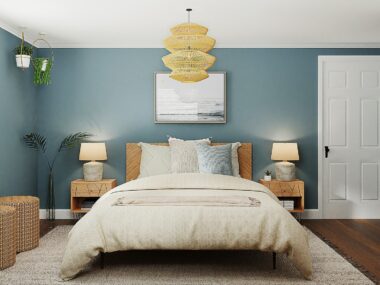
Bedrooms need to give everyone some peace. The master suite with an en-suite bathroom keeps parents separate from the chaos. Kids’ rooms have to adapt—blackout curtains for sleep, basic soundproofing to cut noise, and built-in desks for homework.

Shared bathrooms take heavy use. Porcelain tiles and non-slip floors handle water and splashes. Double vanities stop morning fights over sinks. Add storage so toiletries stay tidy. Thermostatic showers prevent hot surprises—essential with young kids.
Bigger families like jack-and-jill bathrooms—one bath between two bedrooms. Saves space. Good windows and ventilation keep it dry and mold-free. Such a design responds well to real family needs while using living space efficiently.
Outdoor Spaces and Connectivity
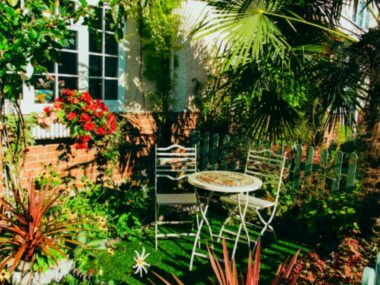
A good family home needs more than just indoor space. You want a backyard that’s fenced and safe—soft ground cover like artificial turf helps if kids are running around. Covered alfresco areas are practical too. Rain or shine, you’ll use them.
Big sliding doors connect the inside to the outside. Makes the whole place feel bigger. Toss in some solar panels or a rainwater tank if you can. Saves money long-term.
Safety and Accessibility Features
You’d be surprised how many homes skip basic safety.
Things to check:
- Rounded corners on counters;
- Window locks that actually work;
- Smoke and carbon monoxide detectors;
- Outlets with safety covers.
Stairs need attention, too. Wide steps, sturdy handrails, gates at top and bottom.
Think ahead while you’re at it. Lever handles are easier than knobs. Wider doorways help with prams or if someone ends up in a wheelchair. A bedroom downstairs isn’t a bad idea either—aging parents, injuries, whatever.
Smart home gear helps. Cameras, motion lights, and locks you can check from work. Worth considering.
Energy Efficiency and Sustainability
A practical home runs cheaply on energy now. Double glazing on windows reduces bills for heat and air conditioning. Wall and roof insulation hold the comfort level. Switch to LEDs and a smart thermostat—energy drops quickly.
Bamboo floors hold up and are renewable. Recycled counters save resources. Low-flow toilets flush less water. Aerated taps keep a good flow but use way less.
Maintenance and Durability
Pick materials that need little care. Brick or fiber cement siding lasts in any weather. Stain-proof carpet or easy-clean hardwood inside.
Put attics where you can reach them for inspections. Place external taps conveniently. Less hassle overall.
Budgeting and Customization
Put your cash toward essentials. Safety features, storage space. Not the fancy extras. Custom builders can sort the layout so you’re not wasting money on useless areas.
Conclusion
A practical family home needs to work well, stay safe, and adapt as kids grow. Focus on good layouts, strong materials, and features that suit family life. That way, the house stays useful whether you’re building new or renovating. It has been a solid place to live for years.