 Qyndarix Thalendros
A functional living room doesn’t start with the sofa, but with an honest answer to the question: what does the family actually use it for? Some need a place where the kids can play during the day and watch movies together in the evening; others need a desk for work and homework; still others need a quiet reading nook. Trying to squeeze everything into a small room at once will turn it into a furniture warehouse.
It’s helpful to simply observe habits for a couple of days: where everyone gathers, where it’s inconvenient, what’s missing. It often turns out, for example, that the TV is turned on once a week, but a work surface is needed every day. Then it makes sense to prioritize a desk and comfortable lighting over a huge cabinet for equipment. Partner entertainment platforms like BassWin, which are used as one way to spend free time, sometimes provide additional opportunities for relaxation.
Zoning without walls
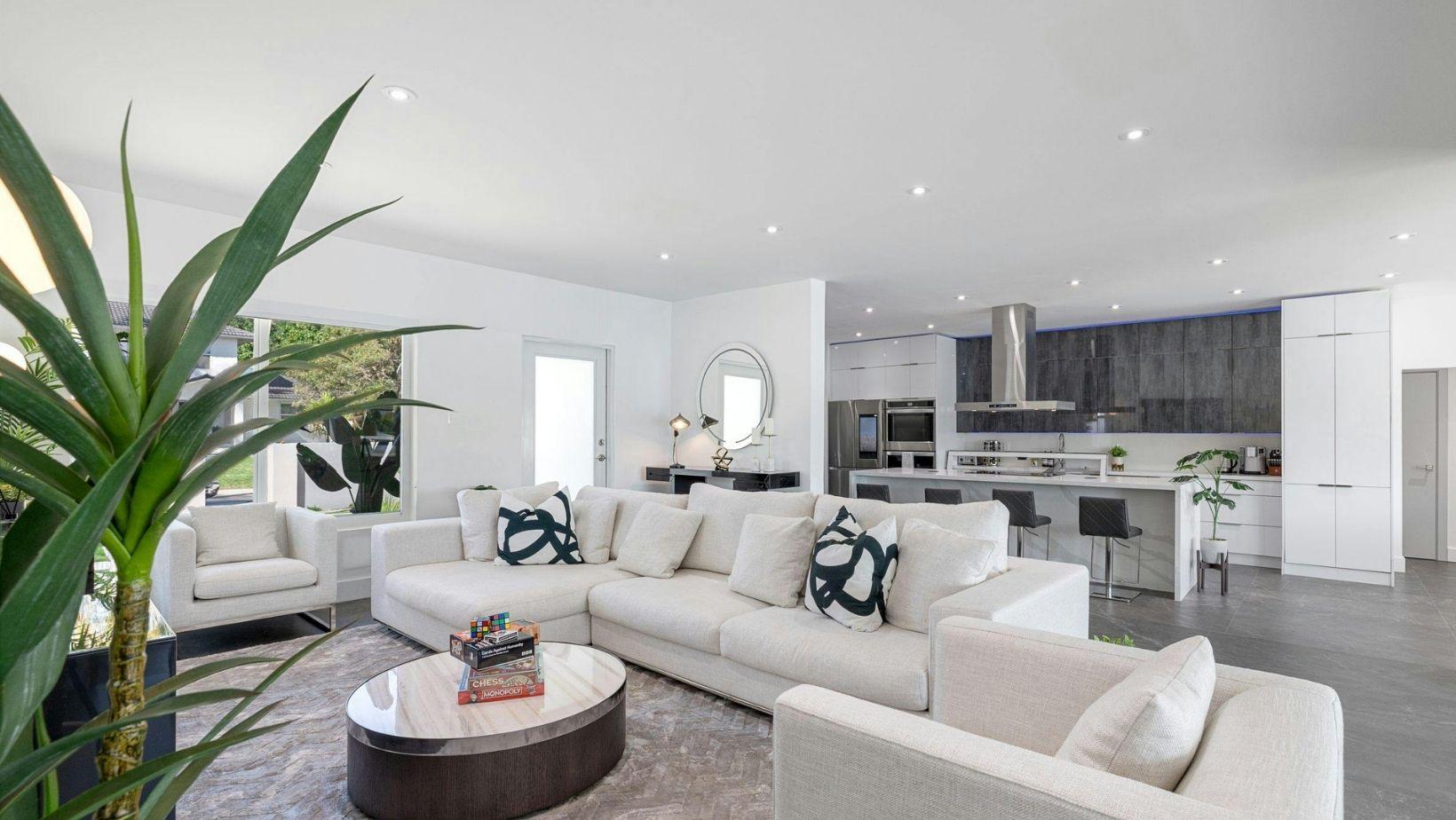
In a small living room, you can’t divide the space with partitions, but you can separate functions. The easiest way is to zone the room with lighting, rugs, and furniture arrangement. Soft lighting and a small rug create a “cinema zone,” while a brighter lamp and a hard-backed chair help define a corner for work or study.
Even a single sofa can be used as a boundary between zones: the back faces the table, the seat faces the TV, and the room gains a clear logic. It’s important to keep the passageways clear, otherwise any usage scenario will be irritating. Functionality here also means not feeling like every step is a struggle with the furniture.
“We simply turned the sofa and placed a floor lamp in the corner—” “And suddenly there was a feeling of two different zones instead of one cramped square,” says Irene, a mother of two.
Furniture with a Dual Purpose
For a small living room, every piece should serve at least two purposes. A coffee table can have a lift-up lid, converting it into a desk. A pouf doubles as an extra seat and a toy box. Low wall cabinets serve as storage and a bench for guests.
Large, single-purpose pieces like massive armchairs or oversized dressers often eat up space without adding much in return. A much more practical option is a modular sofa that can be rearranged, and a compact, fold-out table that transforms from a small island into a full-fledged space for board games or family dinners.
Three Steps to a Functional Living Room
- Keep only the furniture that is actually used every week.
- Replace bulky items with transformable ones or models with internal storage.
- Consider at least two use cases for each square meter.
“When we swapped out a regular table for a folding one and added a couple of storage units, the room became more spacious, even though the space was the same,” shares Jude, the owner of a one-bedroom apartment.
Storage: Keep Clutter Out of View
The main enemy of a small living room is visual clutter. Even neatly arranged items, if cluttered, can create a feeling of cramped space. Therefore, a closed storage system is essential: drawers under the sofa, boxes on upper shelves, cabinets with doors without unnecessary details. Items used every day should be kept at hand level, while everything else can be stored higher or deeper.
Open shelving is also possible, but it’s better to use it for books and a few favorite items rather than for everything in sight. The fewer colorful items in sight, the more peaceful the space will feel. This is especially important for families with children, where toys easily occupy every surface.
Light and color as “expanders”
Correctly chosen lighting makes the living room flexible. Overhead lighting provides basic illumination, while wall sconces and floor lamps help transition the atmosphere from work mode to evening relaxation. Using warm lamps in sitting areas and neutral ones at the desk makes it easier for the brain to “switch” between tasks without even changing rooms.
It’s best to choose colors in light and warm tones, adding bright accents with textiles or posters rather than large furniture. Light walls and matching curtains visually expand the boundaries of the room. One or two accent colors in pillows or a throw add character without overwhelming the space.
“We repainted a dark wall a soft, light shade and replaced the heavy curtains with light ones—guests started asking if we’d made the room look bigger,” says Camila, owner of a small house.
Everyone’s Interests in One Room
A functional family living room is a place where children can make noise, adults can work and relax, and guests can feel welcome. For this to work, it’s important to clearly define the rules: where toys are kept, what time the volume is turned down, whether it’s okay to work at the table while others are watching a movie. Clear, pre-agreed agreements are better than constant bickering in a cramped space.
It’s helpful to assign each corner a specific role: for example, the right corner by the window is the “work area,” the part of the sofa closest to the TV is the “movie area,” and the rug on the floor is the “play area.” Then, even just a few meters away, it’s easier for each family member to “take their place” without disturbing the others.
Living with Imperfections
A small living room rarely looks like a magazine, and that’s okay. The main criterion is how comfortable the family is, not how trendy the interior is. If children can quickly put their things away, adults can set up their laptops, and guests can find a place to sit, then the space is working.
A “meter by meter” approach helps you avoid chasing the ideal and gradually adapt the room to your real habits. First, clear the passageways, then replace the most inconvenient piece of furniture, add lighting, and rethink the storage. These small steps produce results that are felt every day, and a small living room ceases to be a problem and becomes the center of family life.