 Craig Pornorey
In modern home spaces, small kitchens have become a common feature in many apartments and compact residences. Despite their limited size, with proper design, small kitchens can still be both aesthetically pleasing, practical, and equipped with efficient workflow paths. Through layout optimization, clever storage solutions, material selection, and color coordination, small kitchens not only meet daily cooking needs but can also turn cooking into a relaxed and enjoyable experience. This article will share various design ideas suitable for small kitchens, helping you maximize the use of every corner in limited space and enhance usability and quality of life.
01 U-Shaped Workbench
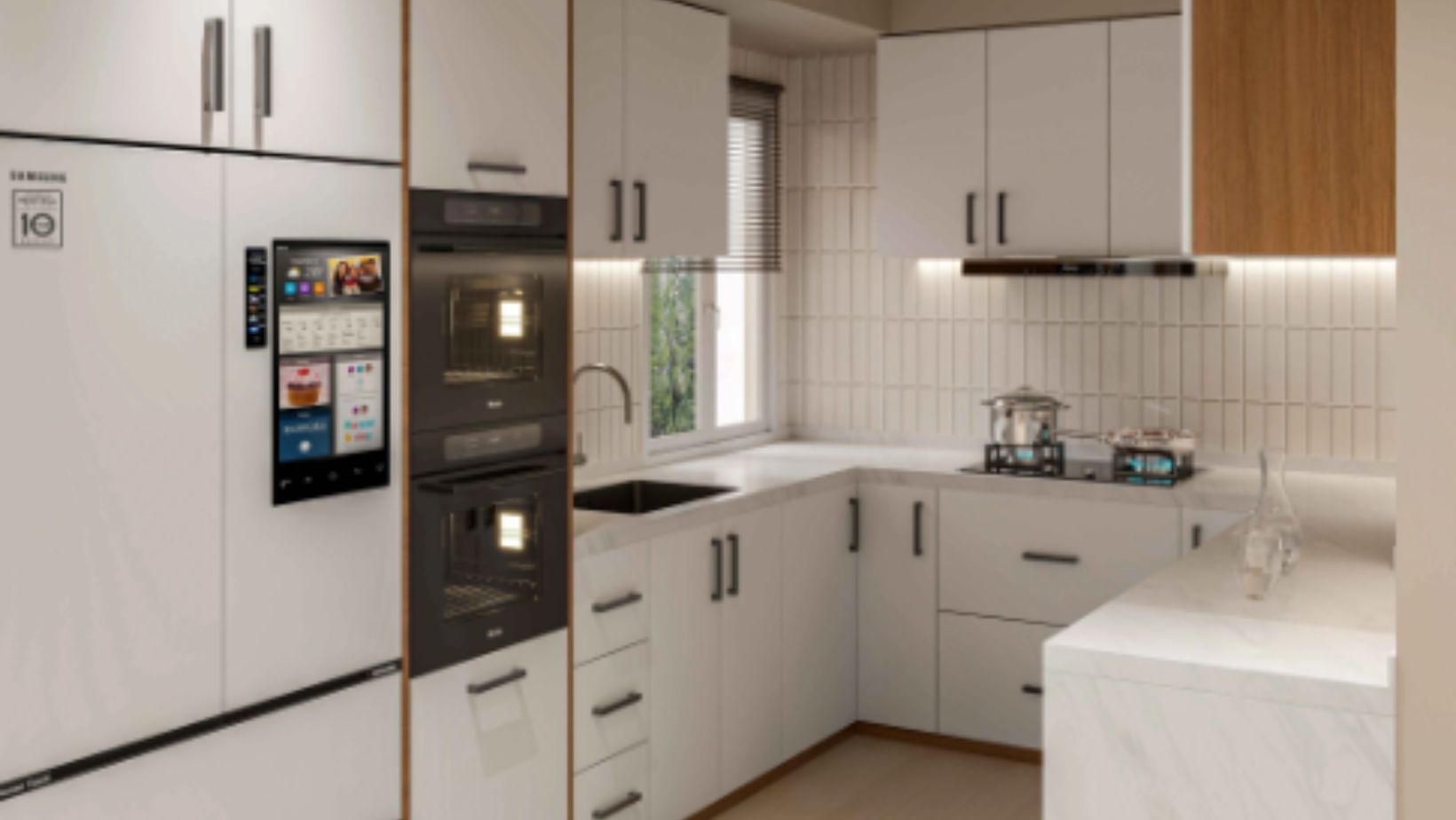
The U-shaped layout provides three-sided working space with a counter top protector, allowing seamless connection between food preparation, washing, and cooking processes. It is suitable for small and medium-sized kitchens and can significantly improve efficiency.
02 L-Shaped Layout
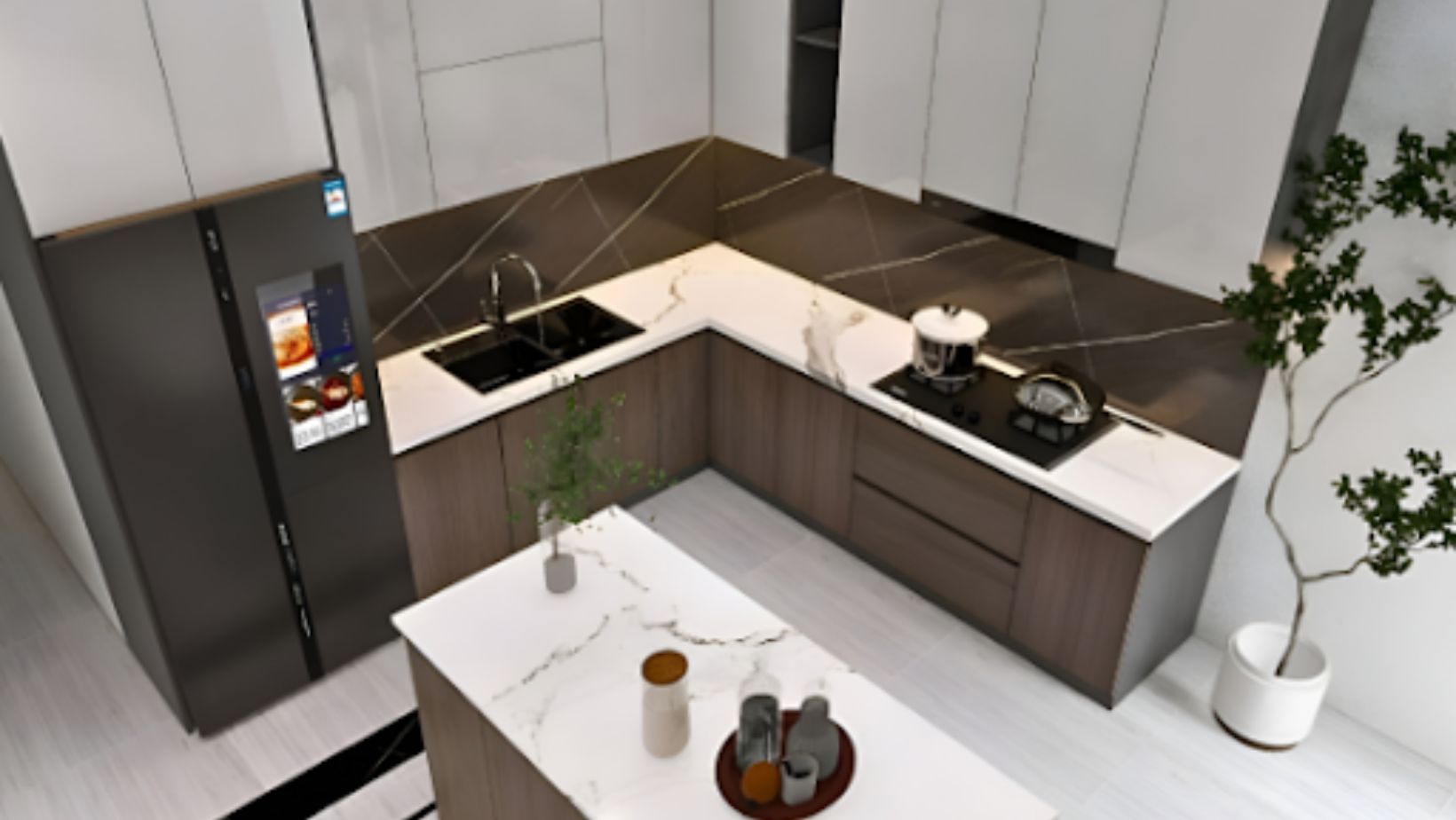
The L-shaped layout offers flexible traffic flow, allowing maximum space utilization in corners, making it very suitable for small kitchens. It also adds a small breakfast bar, enriching the functionality further.
03 Embedded Appliance Design
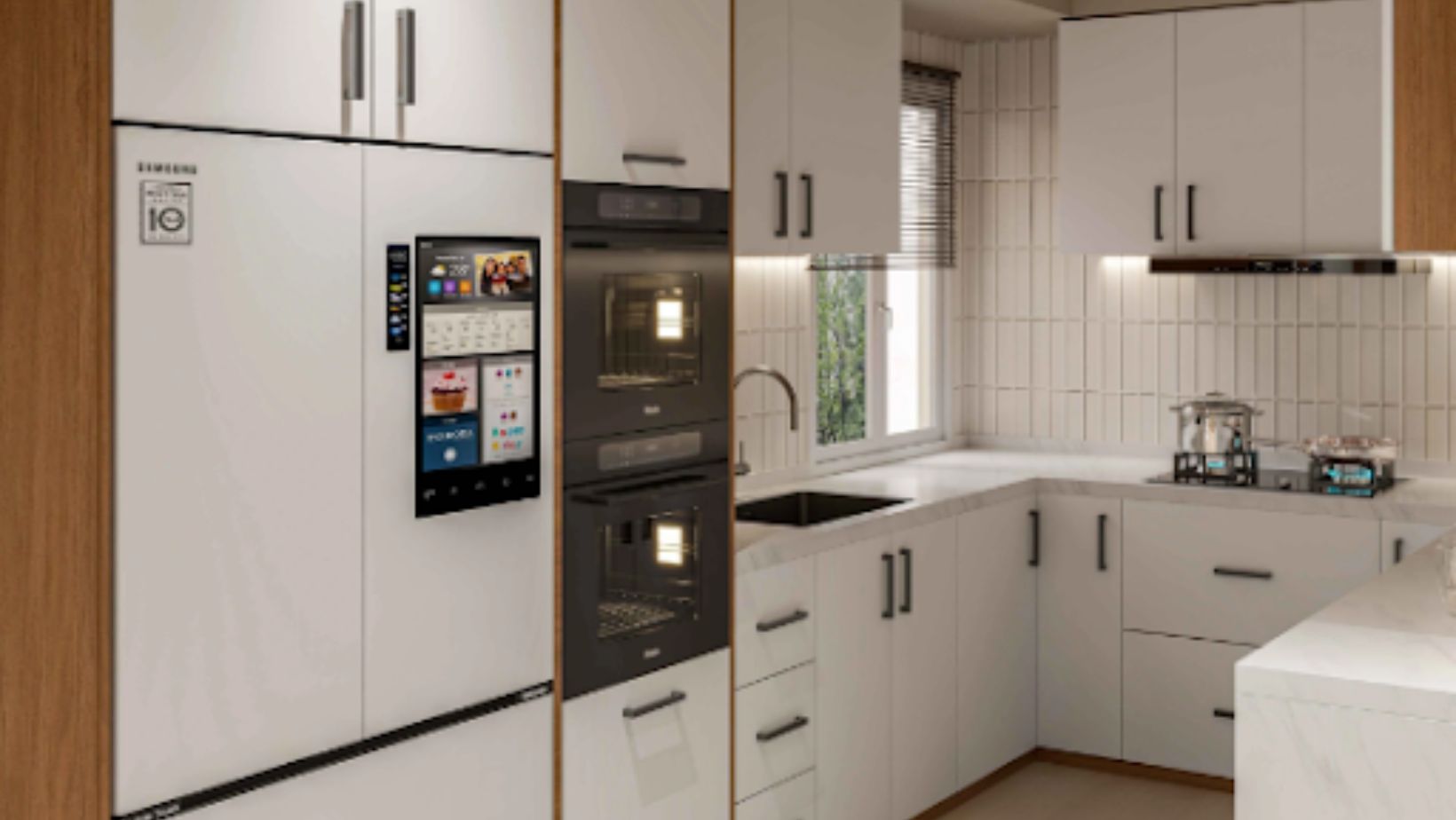
Embed small appliances such as refrigerators, ovens, and microwave ovens into the cabinet body to reduce visual stacking and make the kitchen cleaner and more organized.
04 Large-Capacity Storage Cabinet
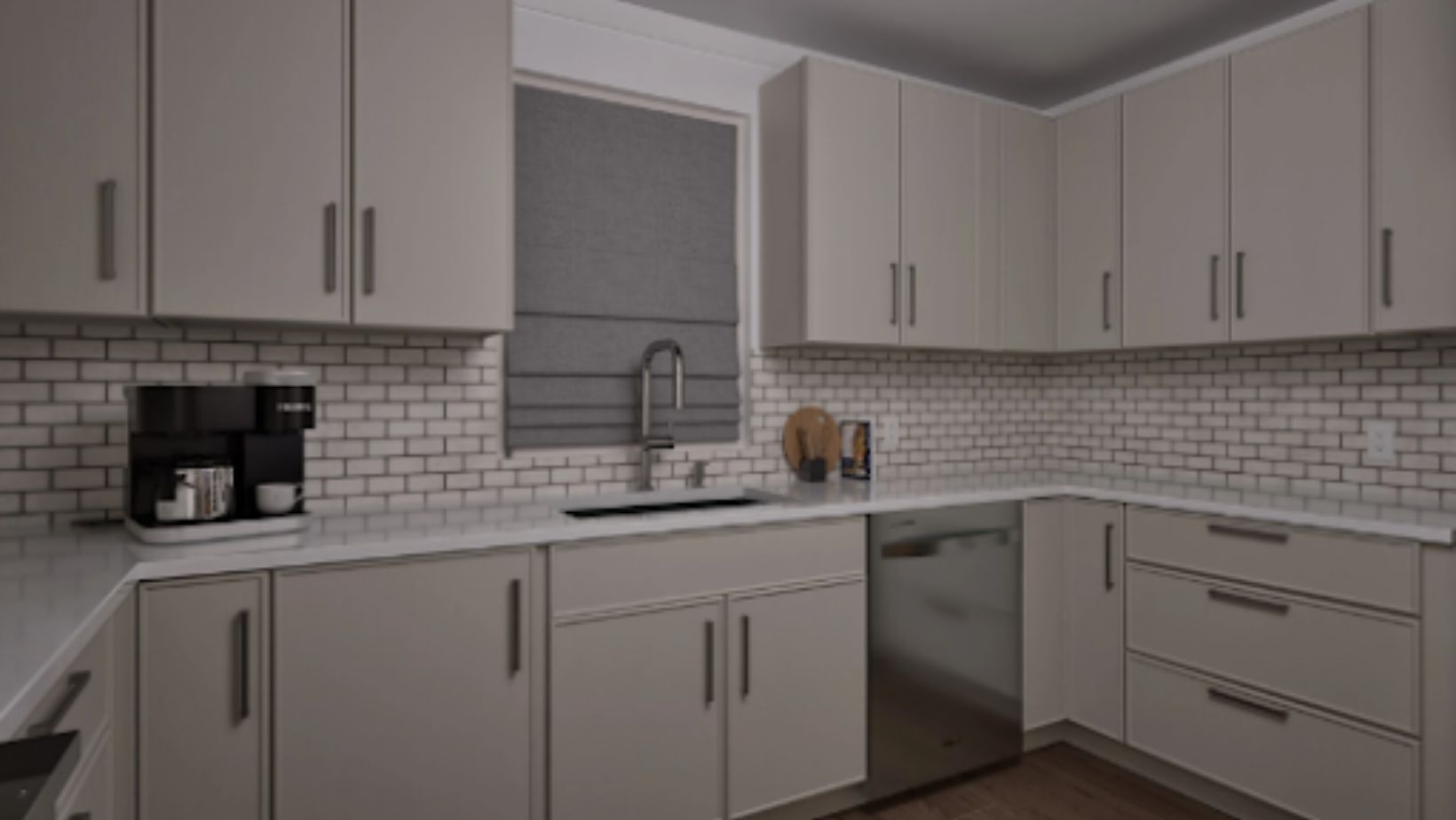
Wall cabinets and storage cabinets reduce visual clutter, allowing everyday items and small appliances to be hidden away, thereby enhancing the kitchen’s storage capacity and making it easier to keep the kitchen clean and tidy.
05 Integrated Design
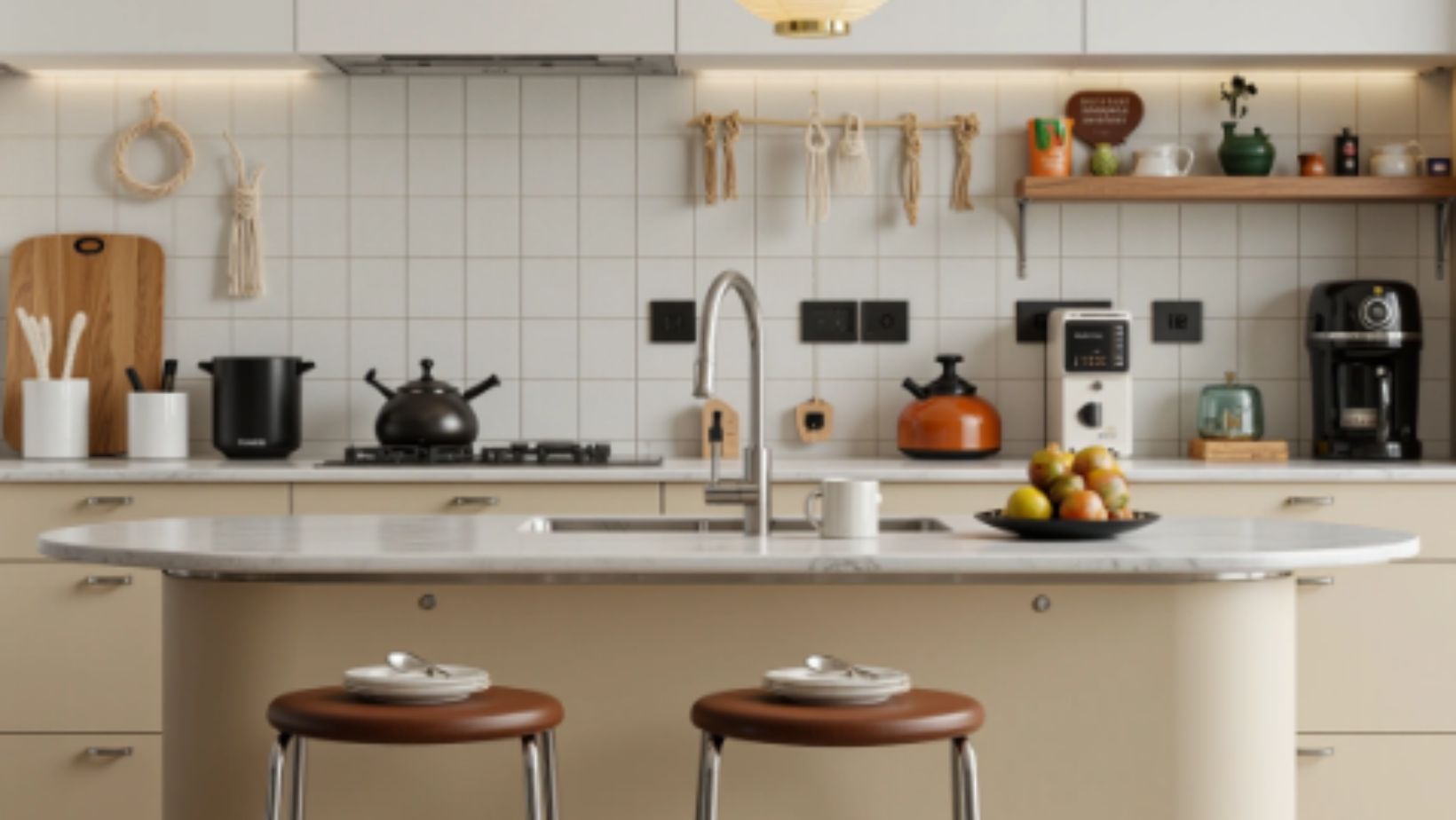
The Nakajima bar counter and sink一体化 design allows small kitchens to have multiple functions such as food preparation, light meals, and office work, making it a mainstream configuration for modern kitchens.
06 Design Open Shelf
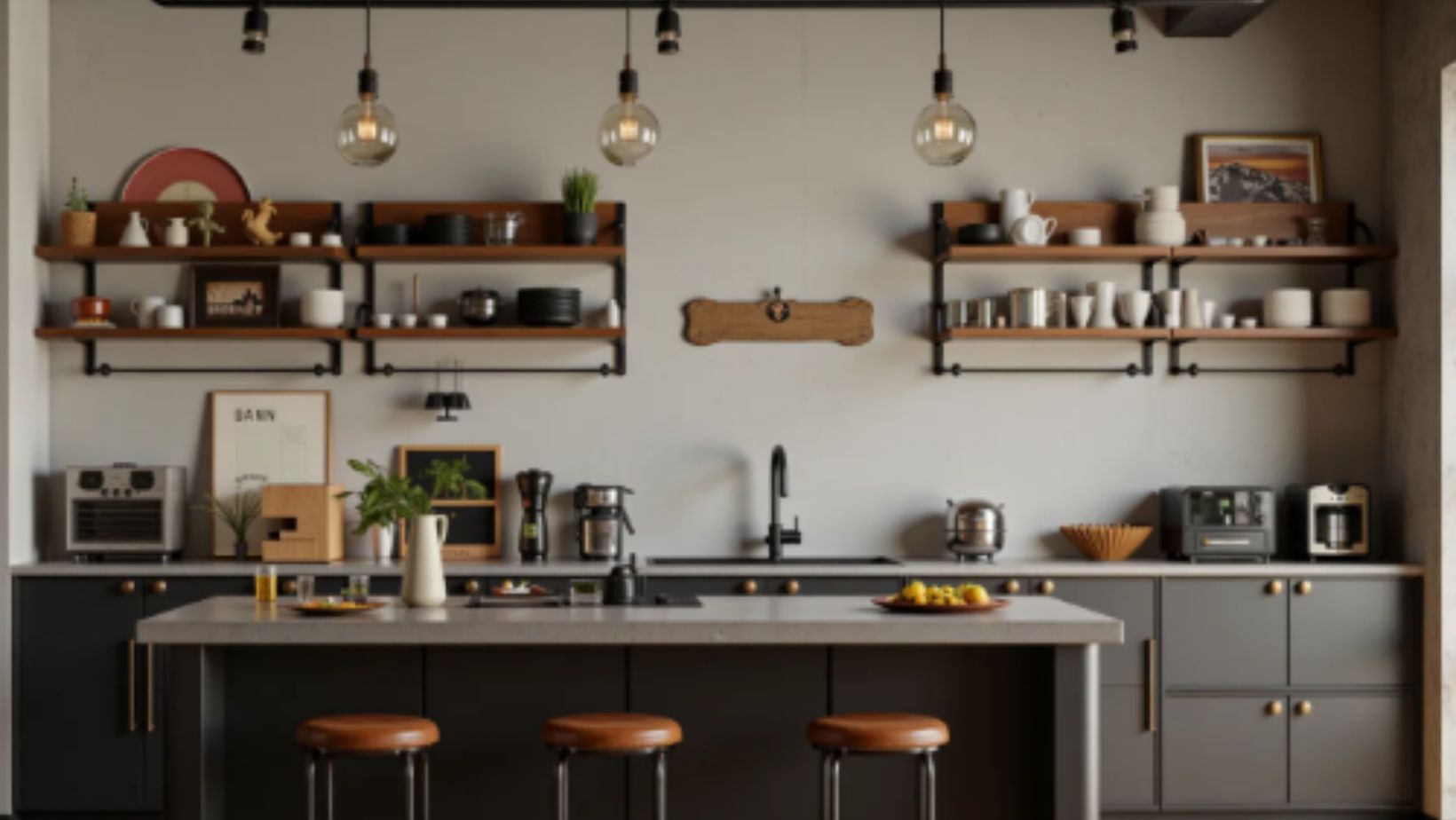
Compared to fully enclosed cabinets, open shelves are more lightweight, can reduce a sense of oppression, make small kitchens appear larger, keep the walls from being completely enclosed, and are easier to create a visually open feel, making them very suitable for small kitchens.
07 Use Light Tones
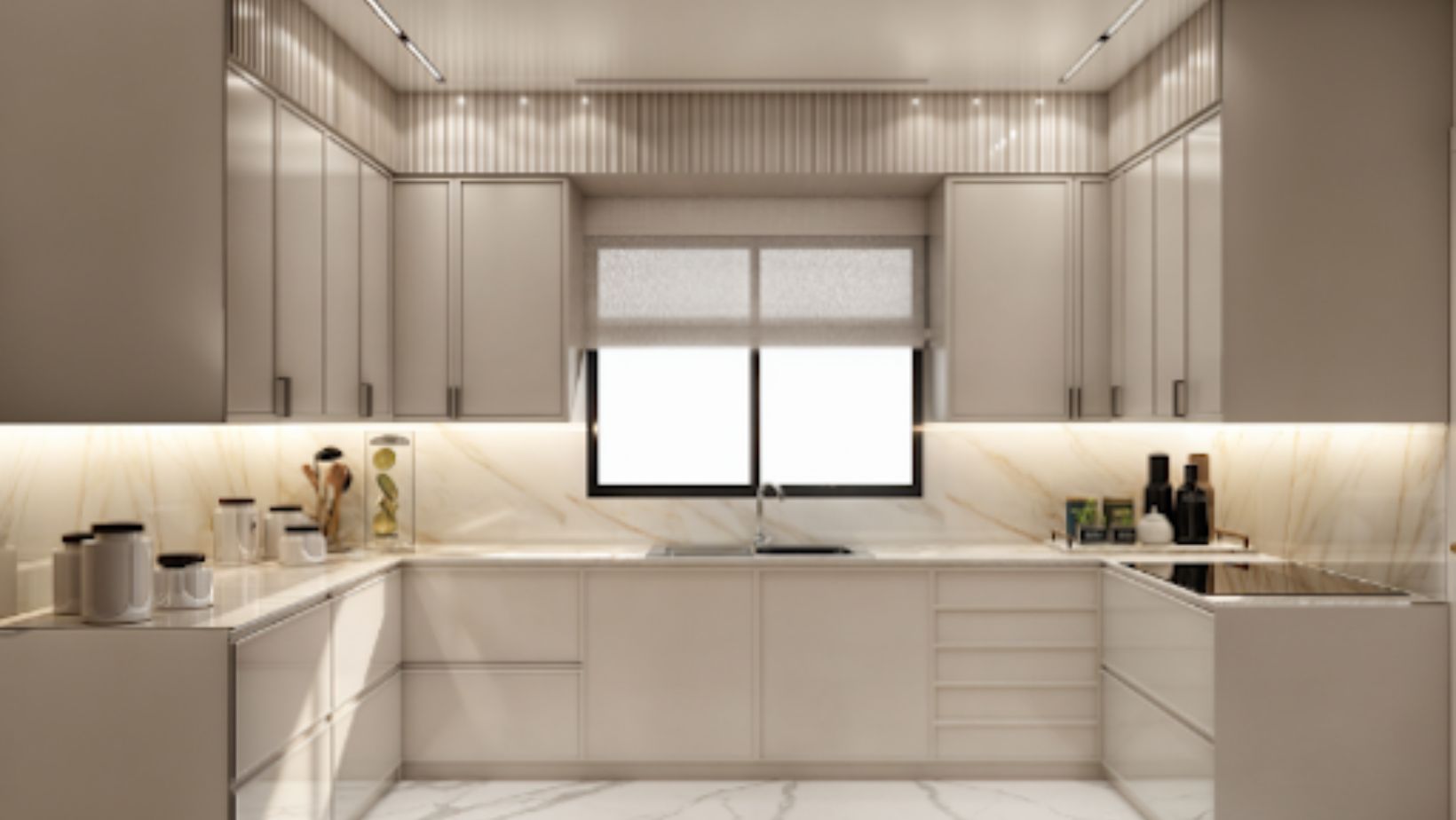
Light colors can enhance the brightness of a space. For example, white, light gray, and pale wood tones can increase the visual spaciousness of a kitchen, making them especially suitable for small-sized kitchens.
08 Open Kitchen Layout
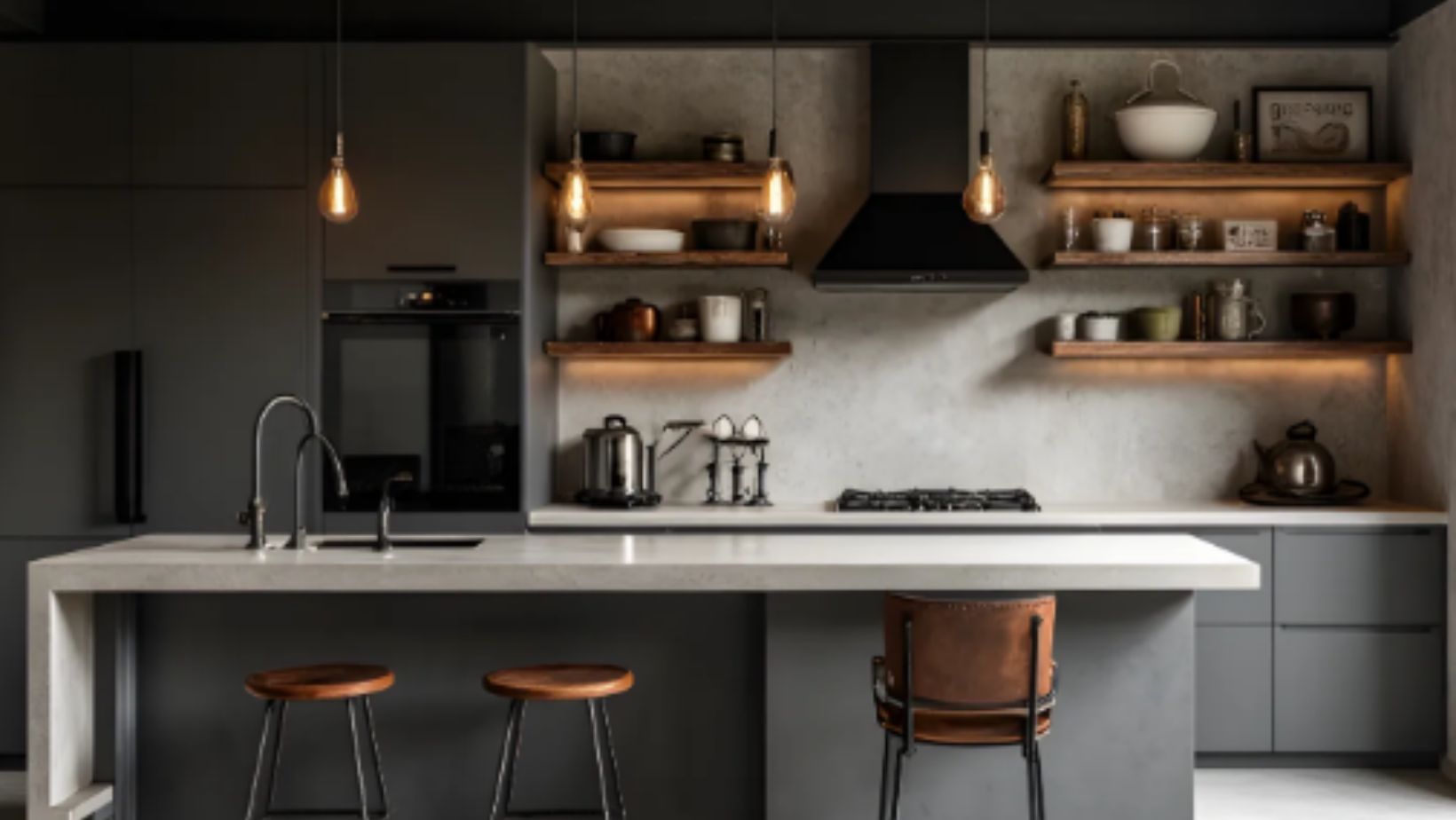
An open kitchen, with ‘no partitions’ as its core concept, connects the cooking area with the living room and dining room, creating a more open and spacious feeling. It is suitable for small apartments or families who enjoy socializing.
09 Semi-Open Glass Partition
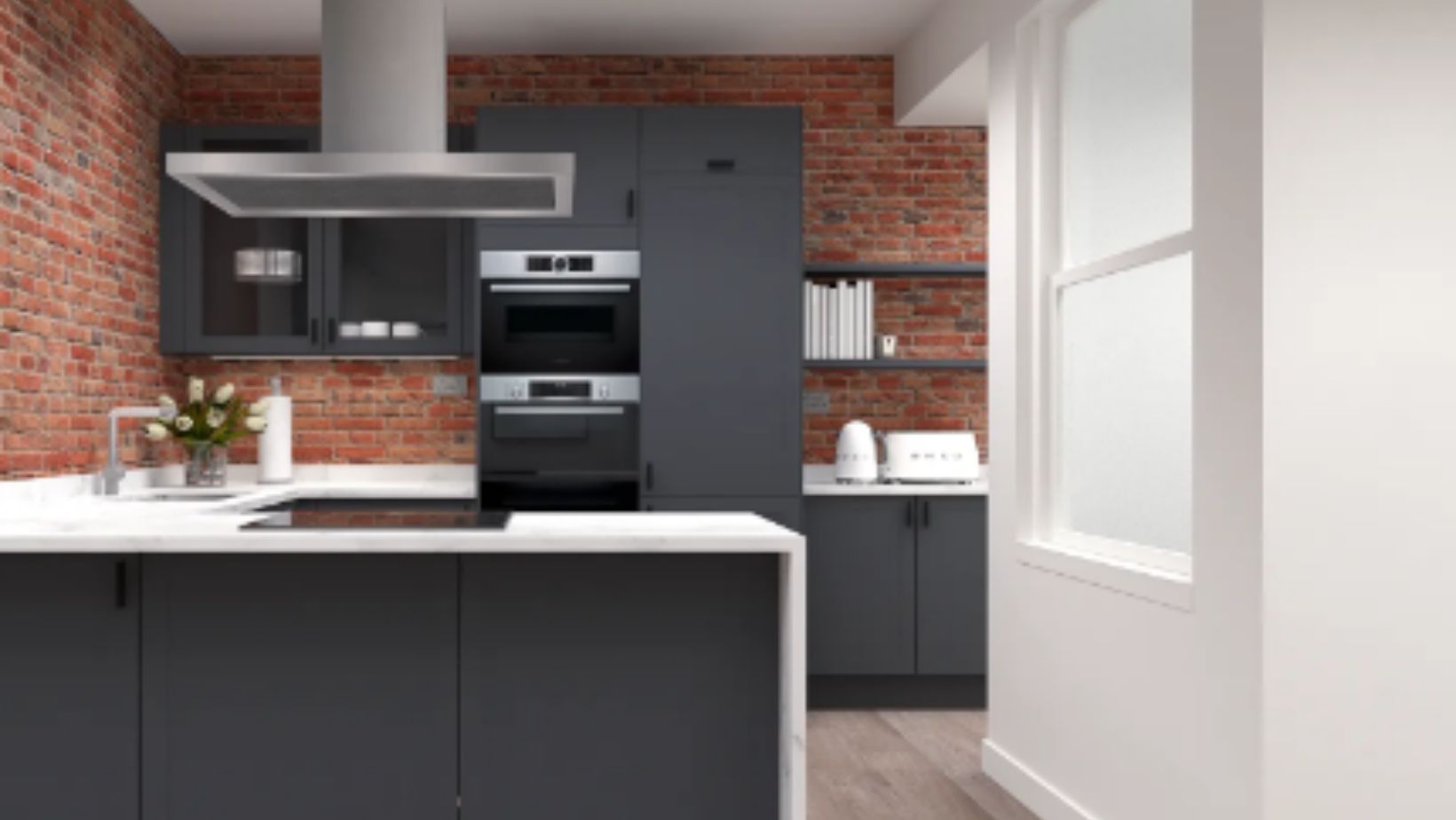
Semi-open glass partitions can effectively block oil fumes but not light, making them suitable for small kitchen layouts and families who want to maintain a sense of openness.
10 Glass Display Case
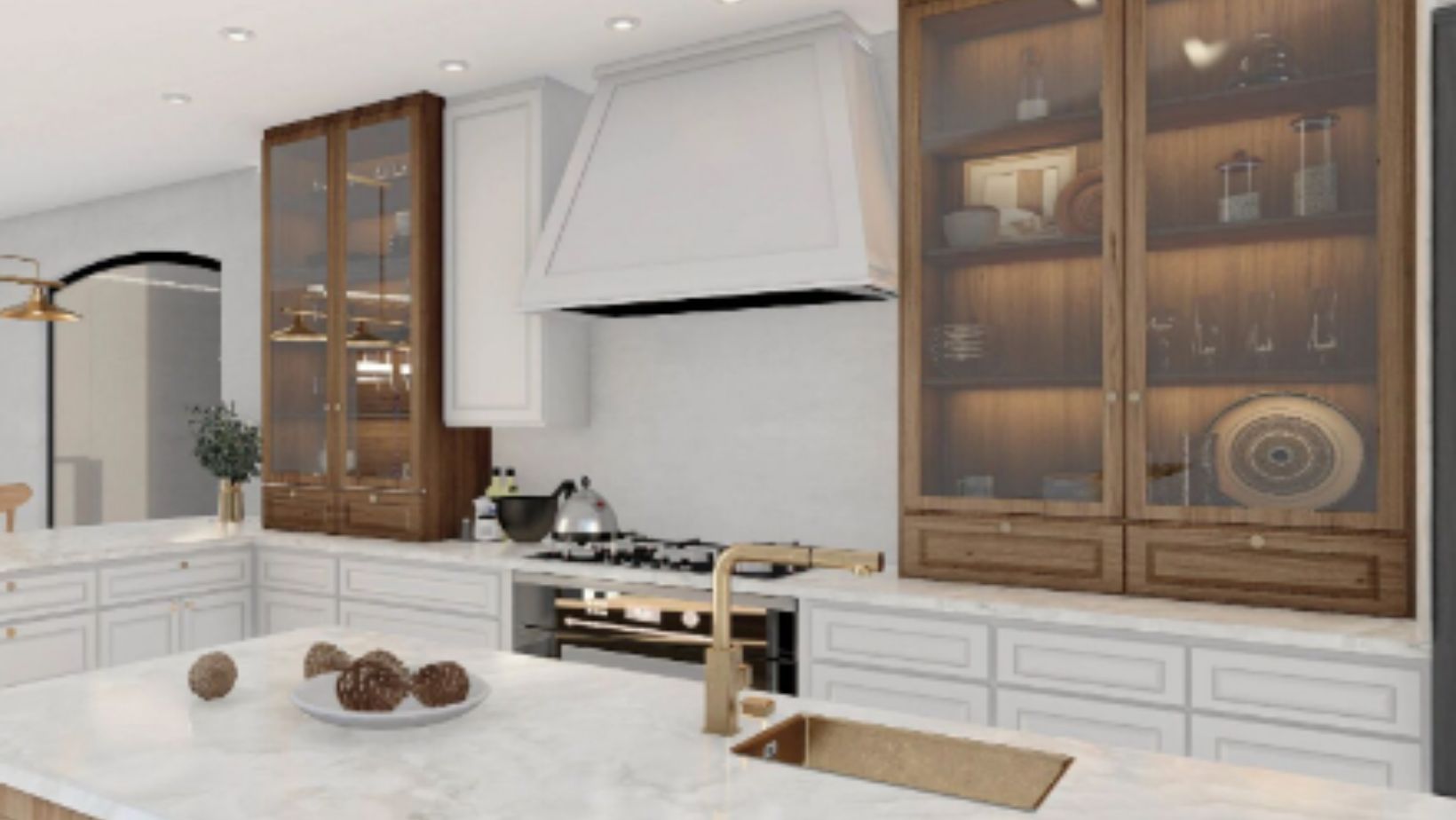
Glass cabinet doors can display delicate dishes and cups, adding a sense of life rituals to the kitchen. They are suitable for families who want to create a light luxury and warm atmosphere.
CONCLUSION
Designing a small kitchen does not mean sacrificing functionality; it just requires smarter design. Whether it’s vertical storage, lightweight materials, compact appliances, foldable worktops, or an open layout, each design concept can make a small kitchen more practical, comfortable, and modern in appearance. As long as you master storage, workflow, lighting, and style consistency, a small kitchen can still play a big role. Hopefully, these design ideas will inspire your home planning, allowing your kitchen to unleash infinite possibilities within limited space.
Small Kitchen Design Ideas FAQ
1 What Are The Core Elements Of A Small Kitchen?
The core of small kitchen design does not lie in ‘fitting more in,’ but rather in making the limited space perform its maximum function through more reasonable and intelligent methods. The key points are: compact workflow, maximized storage, expandable countertop, appropriately sized appliances, adequate lighting, proper ventilation, and easy-to-clean materials. As long as these seven optimization elements are grasped, even a small kitchen of 4–6 square meters can be transformed into an efficient, clean, user-friendly, and even sophisticated cooking space.
2 How To Make A Small Kitchen Look Bigger?
The key to making a small kitchen feel larger is not expanding its area, but using light, color, materials, and layout to create a more open and airy space.
First, maintain overall brightness. Keep windows unobstructed to allow natural daylight to flow in, and use layered lighting at night. Additionally, light-colored walls and cabinets, such as white, light gray, cream, or pale wood tones, reflect light better, making the kitchen appear brighter and cleaner.
Second, material selection can also impact spatial perception. Smooth or semi-reflective materials create an illusion of extension. Moderately incorporating glass partitions on walls, such as in a semi-open kitchen layout, enhances visual transparency and prevents the space from feeling enclosed.
Third, adjusting the layout affects the sense of openness. For example, using a single-row or L-shaped layout reduces congestion; extending countertops with designs like sink covers or multi-functional cutting boards provides a wider working area even in limited space.
Finally, utilizing vertical space is crucial for making the kitchen feel larger. Installing upper cabinets to the ceiling maximizes storage. Overall, to make a small kitchen look bigger, the core lies in ‘reducing visual burden’ and ‘increasing light reflection.’ By keeping the space bright, minimizing clutter, optimizing layout, and choosing lightweight materials, a small kitchen can achieve a spacious, well-lit, and even sophisticated visual effect, making cooking more enjoyable and pleasant.