 Mylarith Qynthoril
Waking up with itchy welts and a growing suspicion that something lives in the mattress can rattle even the calmest household. Add a viral post claiming bed bugs spread a frightening illness, and the worry multiplies quickly. Bed bugs are a genuine nuisance with real costs to sleep, budgets, and peace of mind. They are not, however, the disease carriers that online rumor makes them out to be. Separating what bed bugs actually do from what people claim they do lets a family spend its energy on the problem that matters, which is finding and removing the insects. The sections below cover the true burden of an infestation, where the myths come from, how to recognize early evidence, how to stay level-headed, and how to check a health claim before acting on it.
The Real Burden of a Bed Bug Infestation
Nobody sleeps well when they suspect the bed is occupied. Adults describe lying awake listening for movement, and parents sometimes wash every blanket in the house in one frantic weekend. That distress is real and deserves acknowledgment before any pest advice is given. Bed bugs feed on blood, usually at night, and their bites leave itchy red welts that can take days to fade. Reactions vary widely, so one family member may scratch constantly while another shows no marks at all, which delays detection.
The physical consequences are modest compared with the emotional ones. Scratching can break the skin, and an open welt may become infected with ordinary skin bacteria, a recognized complication. Beyond that, the toll is mostly lost sleep, irritability, embarrassment, and the cost of laundry and treatment. Children may resist bedtime, and parents may feel judged by relatives or neighbors, even though bed bugs hitchhike in luggage, secondhand furniture, and shared walls and have nothing to do with cleanliness. Naming these burdens accurately matters because they are the actual harms. They are stressful and disruptive, yet they can be solved, which is more than rumor-driven fear usually offers.
Why Disease Rumors Attach Themselves to Bed Bugs
Blood-feeding insects carry a reputation. Mosquitoes spread malaria and dengue, and ticks spread Lyme disease, so people reasonably assume that any creature that bites must pass something along. The leap feels logical, which is exactly why it travels so easily. Bed bugs, though, have been studied for decades, and public health agencies such as the Centers for Disease Control and Prevention state that they are not known to spread disease. Laboratory work has detected microbes inside bed bugs under artificial conditions, but finding a germ in an insect is a different matter from showing that the insect passes it to a person in a real home.
When COVID-19 emerged, the assumption resurfaced in new clothing. Social media posts speculated about nearly every household pest as a possible carrier. The answer from health authorities has been steady: bedbugs do not transmit coronavirus, and the virus spreads mainly through respiratory droplets and aerosols exchanged between people. A rumor can feel urgent and still be unsupported. Recognizing that pattern helps families respond to evidence instead of headlines, and it keeps a pest problem from being mistaken for a health emergency it was never part of.
Reading the Signs: Practical Ways to Recognize Bed Bugs
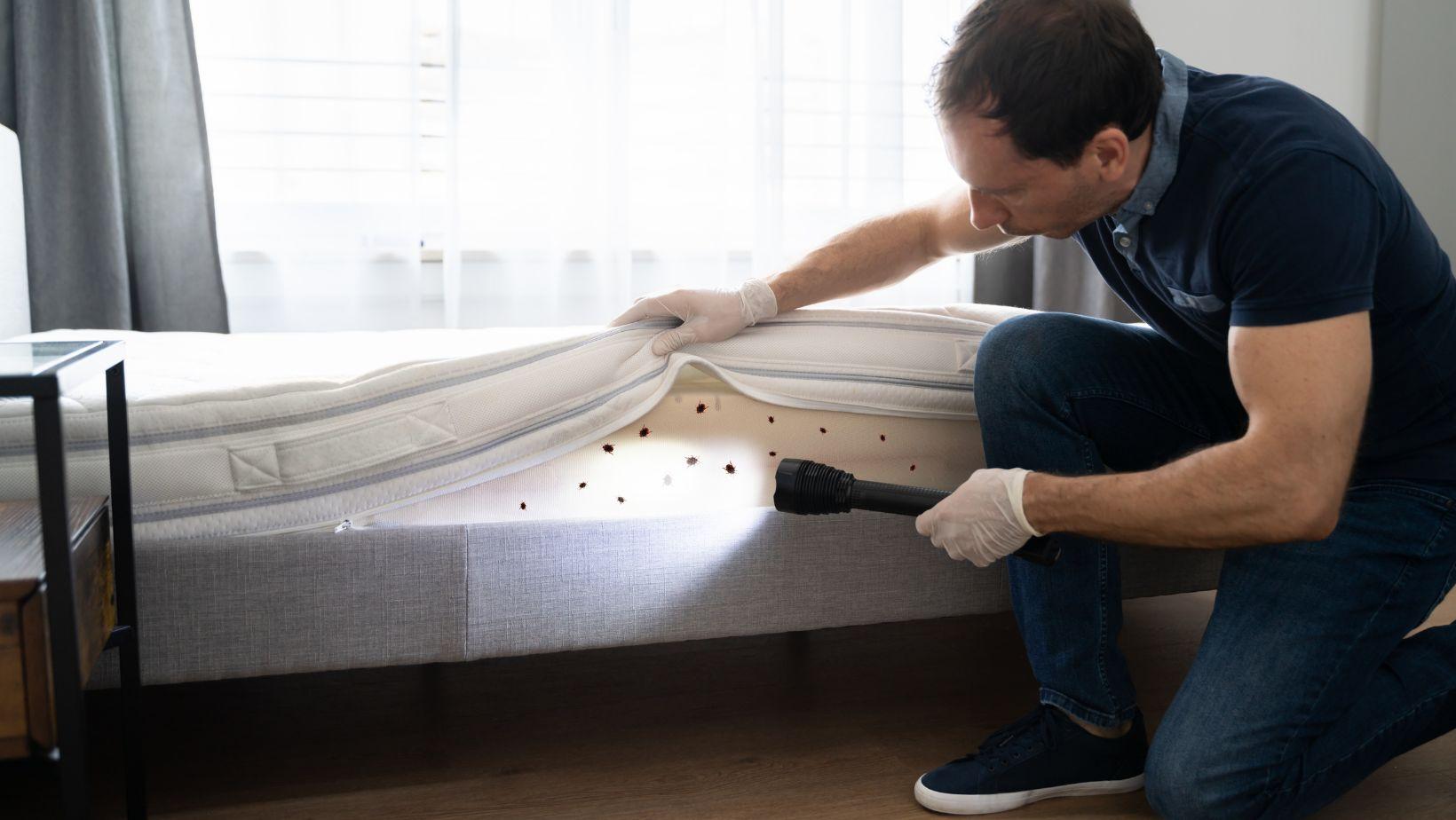
Bites alone are a poor clue, because mosquitoes, fleas, and several skin conditions leave similar marks. Physical evidence is far more reliable, and most of it turns up close to where people sleep. A flashlight, a stiff card to probe seams, and ten patient minutes can reveal a great deal. Check mattress piping, the underside of the box spring, bed frame joints, headboards, and the cracks behind nearby baseboards. Look for these signs:
- Small rust-colored or dark spots on sheets and mattress seams, which are droppings and crushed bugs
- Pale yellow shed skins left behind as young bed bugs grow
- Tiny whitish eggs, about the size of a pinhead, tucked into folds and crevices
- Live adults, flat and reddish brown, roughly the size of an apple seed
- A faint musty odor in rooms with heavy, long-standing infestations
One or two of these findings calls for a closer look, not alarm. A live specimen is the strongest proof, so a bug saved in a sealed container or a clear photo helps if an expert needs to confirm it. Carpet beetle larvae and other harmless insects are often mistaken for bed bugs, so identification should come before any treatment.
Keeping Panic in Check While You Respond
Panic produces poor decisions. Families who find bed bugs sometimes discard perfectly good mattresses, spray household chemicals never meant for indoor use, or isolate relatives, and none of it solves the infestation. Hauling infested furniture through a hallway can even spread the bugs to new rooms. A calmer plan works better. Seal laundry in bags before carrying it, wash and dry bedding on high heat, vacuum seams and crevices, and use mattress encasements to trap what remains. Clearing clutter near the bed removes hiding places and makes later inspections faster.
Keeping the real threat in view also simplifies health decisions. Nobody needs to seek infectious disease testing because of bed bug bites alone, and the reassurance that bedbugs do not transmit coronavirus removes one worry that never needed to exist. Bites that swell, ooze, or arrive with fever do deserve a call to a doctor, but the concern there is skin infection or an allergic reaction, not a hidden virus. Stubborn or multi-unit infestations usually call for a licensed pest management professional, since bed bugs have developed resistance to many over-the-counter products.
Checking Health Claims Before You Share Them
Misinformation moves faster than corrections. A screenshot with confident wording can reach hundreds of people before anyone asks where it came from. Before reacting, look at the source. A health agency, a state health department, a university extension program, or a peer-reviewed journal carries weight. An anonymous account, a chain message, or a video with no citation does not. Check the date too, because claims made in the early months of a crisis are often outdated by the time they resurface.
University extension offices are an underused resource for pest questions, since their entomologists publish plain-language guidance grounded in research. Local health departments can address concerns about actual illness. A simple household habit helps: when a claim sounds alarming, pause before forwarding it and compare it with at least two reliable sources. That small delay protects relatives who may already be anxious, and it keeps the conversation focused on what can actually be done about the bugs.
Key Takeaways
Bed bug infestations are stressful, disruptive, and costly, yet bed bugs are not known to spread infectious disease, and no health authority supports the coronavirus claim. That distinction should shape how a household responds. Put the effort into identifying the insects through physical evidence, containing them with heat, vacuuming, and encasements, and calling a professional when the problem spreads across rooms or units. Reserve medical visits for infected bites or allergic reactions. When a new health claim appears online, trace it to a credible source before believing or sharing it. Calm, evidence-based action resolves infestations faster than fear ever will.