 Mylarith Qynthoril
When your air conditioner stops cooling properly, makes unusual noises, leaks water, or refuses to turn on, scheduling a professional repair appointment is usually the safest and most effective solution. Air conditioning systems are complex machines with electrical components, refrigerant lines, motors, coils, sensors, fans, and drainage parts all working together. A small issue in one area can quickly affect the entire system. That is why a professional AC repair appointment is not just a quick look at the unit. It is a structured process designed to find the root cause of the problem, restore performance, and help prevent future breakdowns.
If you have never scheduled air conditioning repair before, you may wonder what actually happens once the technician arrives. Many homeowners expect the technician to simply replace a part and leave, but a quality service visit involves inspection, testing, diagnosis, repair, safety checks, and performance evaluation. Understanding each stage can help you feel more confident, ask better questions, and know what to expect from the service. It also helps you recognize the difference between a rushed repair and a thorough professional appointment.
The Appointment Starts With a Discussion
A professional AC repair appointment usually begins with a conversation. Before the technician opens the unit or uses any tools, they will ask about the problem you are experiencing. They may want to know when the issue started, whether the system is cooling at all, if airflow has changed, whether you have noticed strange smells or sounds, and if the thermostat is working normally.
This step is important because your observations can help narrow down the possible causes. For example, if the unit turns on but only blows warm air, the issue could involve refrigerant levels, compressor problems, thermostat settings, dirty coils, or airflow restrictions. If the system does not turn on at all, the technician may focus first on electrical supply, breakers, capacitors, wiring, or thermostat communication.
The technician may also ask about the age of the system, recent maintenance, previous repairs, and how often the unit is used. These details help them understand the condition of the equipment and identify patterns that may point to a recurring issue.
The Technician Checks the Thermostat
After discussing the symptoms, the technician will often inspect the thermostat. Many AC problems begin with thermostat issues, even when the air conditioner itself appears to be the problem. The technician may check whether the thermostat is set to cooling mode, whether the temperature setting is correct, and whether the display is working properly.
They may also test if the thermostat is accurately reading the indoor temperature. If the thermostat is poorly placed, outdated, incorrectly calibrated, or failing internally, it may send the wrong signals to the AC system. This can cause the unit to short cycle, run constantly, or fail to start.
In some cases, the solution may be as simple as replacing batteries, adjusting settings, recalibrating the thermostat, or repairing a wiring connection. In other cases, the technician may recommend replacing an old thermostat with a more reliable or programmable model.
A Visual Inspection of the AC System
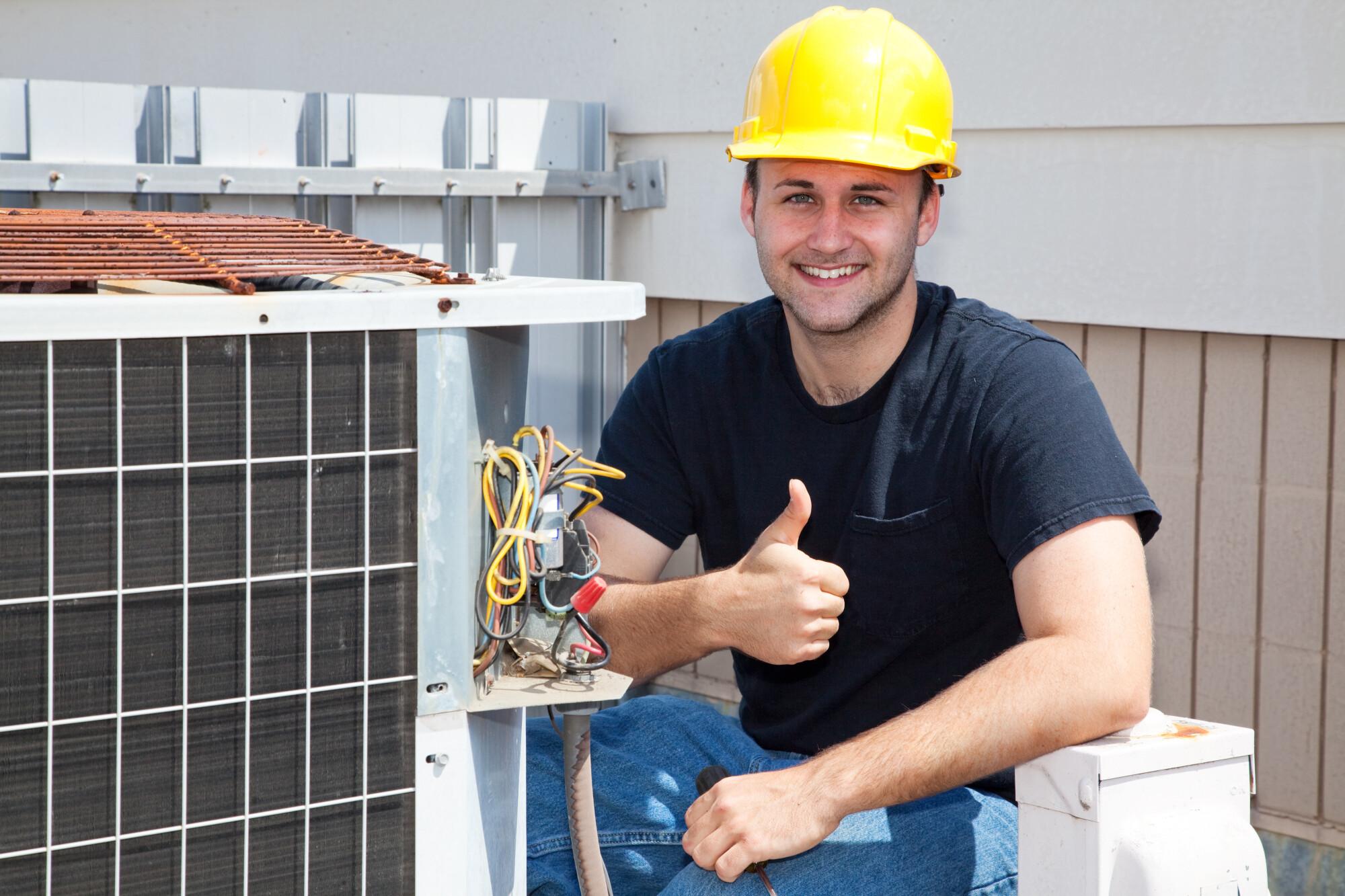
Once the initial discussion and thermostat check are complete, the technician will perform a visual inspection of the system. This includes both indoor and outdoor components. For central air conditioning systems, the indoor section often includes the evaporator coil, blower motor, air filter, drain pan, and duct connections. The outdoor section usually includes the condenser coil, compressor, fan motor, capacitor, contactor, and refrigerant lines.
During this inspection, the technician looks for obvious signs of damage or wear. These may include loose wires, burnt components, oil stains, frozen coils, dirty filters, blocked vents, corroded parts, refrigerant line damage, water leaks, or debris around the outdoor condenser. They may also check whether the outdoor unit has enough clearance for proper airflow.
A visual inspection helps identify issues that may not require advanced testing right away. For example, a severely clogged air filter can restrict airflow and cause poor cooling. A blocked condenser coil can make the system work harder and overheat. A loose electrical connection can cause intermittent operation or complete system failure.
Electrical Components Are Tested
Air conditioners rely heavily on electrical components, so testing the electrical system is a major part of a professional repair appointment. The technician may use meters and diagnostic tools to check voltage, amperage, continuity, and resistance. This helps determine whether power is reaching the unit correctly and whether individual components are operating safely.
Common parts tested during this stage include capacitors, contactors, relays, circuit boards, fuses, breakers, fan motors, blower motors, and compressor terminals. Capacitors are especially common failure points. A weak or failed capacitor may prevent the compressor or fan motor from starting, causing the AC to hum, click, or shut down.
Electrical testing is also important for safety. Loose wiring, overheating components, or damaged insulation can create fire hazards or lead to further equipment damage. A trained technician knows how to safely handle these parts and identify problems that may not be visible during a basic inspection.
Refrigerant Levels and Pressure May Be Checked
If the AC is running but not cooling properly, the technician may check the refrigerant system. Refrigerant is the substance that absorbs heat from inside your home and releases it outside. If refrigerant levels are too low, the system may struggle to cool, run longer than usual, freeze the evaporator coil, or produce warm air from the vents.
The technician may connect gauges to measure system pressure and compare readings to expected operating conditions. Low refrigerant usually means there is a leak because refrigerant does not get “used up” like fuel. If a leak is suspected, the technician may perform a leak detection process using specialized tools.
It is important to understand that adding refrigerant without addressing the leak is often only a temporary fix. A professional technician should explain whether the system needs a leak repair, part replacement, or additional testing. They should also handle refrigerant according to proper safety and environmental standards.
Airflow Is Evaluated
Good airflow is essential for efficient cooling. During the appointment, the technician may check the air filter, return vents, supply vents, blower wheel, evaporator coil, and ductwork. Restricted airflow can make the AC work harder, reduce comfort, increase energy bills, and cause parts to overheat or freeze.
A dirty air filter is one of the most common airflow problems. If the filter is clogged, the system cannot move enough air across the evaporator coil. This can cause reduced cooling, ice buildup, and unnecessary strain on the blower motor. The technician may replace or recommend replacing the filter if needed.
They may also check whether vents are blocked by furniture, whether ducts appear damaged or disconnected, and whether the blower motor is running at the correct speed. In some cases, weak airflow may be caused by duct leaks, a failing blower motor, or a dirty evaporator coil.
The Drainage System Is Inspected
Air conditioners remove moisture from indoor air as part of the cooling process. That moisture collects as condensation and drains away through a condensate line. If the drain line becomes clogged, water can back up into the system, overflow the drain pan, damage walls or ceilings, or trigger a safety switch that shuts down the AC.
During a repair appointment, the technician may inspect the drain pan, condensate line, float switch, and surrounding area for signs of water leakage or algae buildup. If the drain line is clogged, they may clear it using professional tools. They may also recommend preventive maintenance to reduce future clogs.
Water leaks should not be ignored. Even a small AC leak can lead to mold growth, property damage, and indoor air quality problems. A professional inspection helps ensure the drainage system is working properly before the technician completes the visit.
The Technician Identifies the Root Cause
After gathering information, inspecting the system, and running diagnostic tests, the technician will determine the most likely cause of the problem. A good technician should explain their findings clearly. They may show you the faulty part, describe why it failed, and explain how it affects the system.
For example, they may say that the outdoor fan motor has failed, causing the condenser to overheat. Or they may explain that the evaporator coil is frozen because of low refrigerant or restricted airflow. If multiple issues are present, they should help you understand which repairs are urgent and which are recommended for long-term reliability.
This step is where professional experience matters. Many AC symptoms overlap. Warm air, for example, can be caused by a refrigerant leak, dirty coil, compressor issue, thermostat problem, electrical failure, or airflow restriction. A proper diagnosis prevents unnecessary part replacement and helps ensure the repair actually solves the problem.
You Receive Repair Options and Pricing
Before performing major repairs, a professional technician should provide repair options and pricing. They may explain the cost of parts, labor, refrigerant, cleaning, or additional services. If the system is older or has expensive damage, they may also discuss whether repair or replacement is the better long-term choice.
A trustworthy technician should not pressure you into a decision without explanation. Instead, they should give you enough information to make an informed choice. This may include the age of the system, expected lifespan, efficiency, repair history, warranty status, and whether the same issue is likely to return.
For minor repairs, the technician may be able to complete the work during the same visit. For more complex repairs, they may need to order parts or schedule a follow-up appointment. Either way, you should understand what is being repaired and why.
The Repair Work Is Completed
Once you approve the repair, the technician will begin the work. The exact repair depends on the diagnosis. Common AC repairs include replacing capacitors, contactors, fan motors, blower motors, thermostats, control boards, clogged filters, damaged wiring, condensate pumps, or refrigerant components.
The technician may also clean dirty coils, clear clogged drain lines, tighten electrical connections, repair refrigerant leaks, recharge the system, or replace worn belts and bearings if applicable. Throughout the repair, they should use proper tools, follow safety procedures, and protect your home from unnecessary mess or damage.
Professional repair work is not only about replacing a failed part. It is also about ensuring the system operates correctly after the repair. For example, if a capacitor is replaced, the technician may also check motor performance to ensure the new part is not being stressed by another underlying issue.
The System Is Tested After Repair
After the repair is completed, the technician should test the AC system again. This final testing confirms that the system starts properly, runs smoothly, cools effectively, and shuts off correctly. They may measure temperature difference between return and supply air, check refrigerant pressure, verify electrical readings, and listen for unusual noises.
This stage is essential because a repair is not truly complete until the system performs as expected. If the technician simply replaces a part and leaves without testing, another problem could remain unnoticed. Professional post-repair testing gives both the technician and homeowner confidence that the issue has been resolved.
The technician may allow the system to run for several minutes to observe performance under normal operating conditions. They may also check that the thermostat communicates correctly and that airflow is steady throughout the home.
Maintenance Recommendations May Be Provided
Before leaving, the technician may offer maintenance recommendations. These suggestions are meant to help prevent future breakdowns and extend the life of your system. Common recommendations include changing the air filter regularly, keeping the outdoor unit clear of leaves and debris, scheduling seasonal tune-ups, cleaning coils, and monitoring unusual sounds or cooling changes.
They may also point out aging components that are still working but showing signs of wear. This does not always mean immediate repair is required. However, it gives you a chance to plan ahead instead of being surprised by a future breakdown during hot weather.
Routine maintenance can improve energy efficiency, reduce repair costs, and help your AC system last longer. Many repair appointments reveal problems that could have been prevented with regular inspections and cleaning.
You Should Receive a Service Summary
At the end of the appointment, the technician should provide a service summary or invoice. This document usually includes the problem reported, diagnostic findings, repairs performed, parts replaced, labor charges, and any recommendations. It may also include warranty information for the parts or labor.
Keeping this record is helpful for future service visits. If the same issue returns, the service history can help the next technician understand what was previously repaired. It can also be useful if your system is under manufacturer warranty or if you plan to sell your home and want to show maintenance records.
A clear service summary is a sign of professionalism. It shows that the company is organized, transparent, and willing to document the work performed.
Final Thoughts
A professional AC repair appointment is a detailed process that goes far beyond a quick inspection. It usually includes a discussion of symptoms, thermostat checks, visual inspection, electrical testing, airflow evaluation, refrigerant diagnostics, drainage inspection, repair recommendations, actual repair work, and final system testing. Each step helps ensure the technician identifies the real problem and restores your air conditioner safely and effectively.
Knowing what to expect can make the appointment less stressful and help you communicate more clearly with the technician. It also helps you recognize quality service when you see it. A reliable AC professional should explain the issue, provide transparent pricing, complete the repair carefully, and verify that the system is working before leaving your home.
When your cooling system is not performing as it should, professional repair can protect your comfort, improve efficiency, and prevent small issues from turning into expensive breakdowns. By understanding the repair process, you can feel more prepared and confident the next time your air conditioner needs expert attention.