 Mylarith Qynthoril
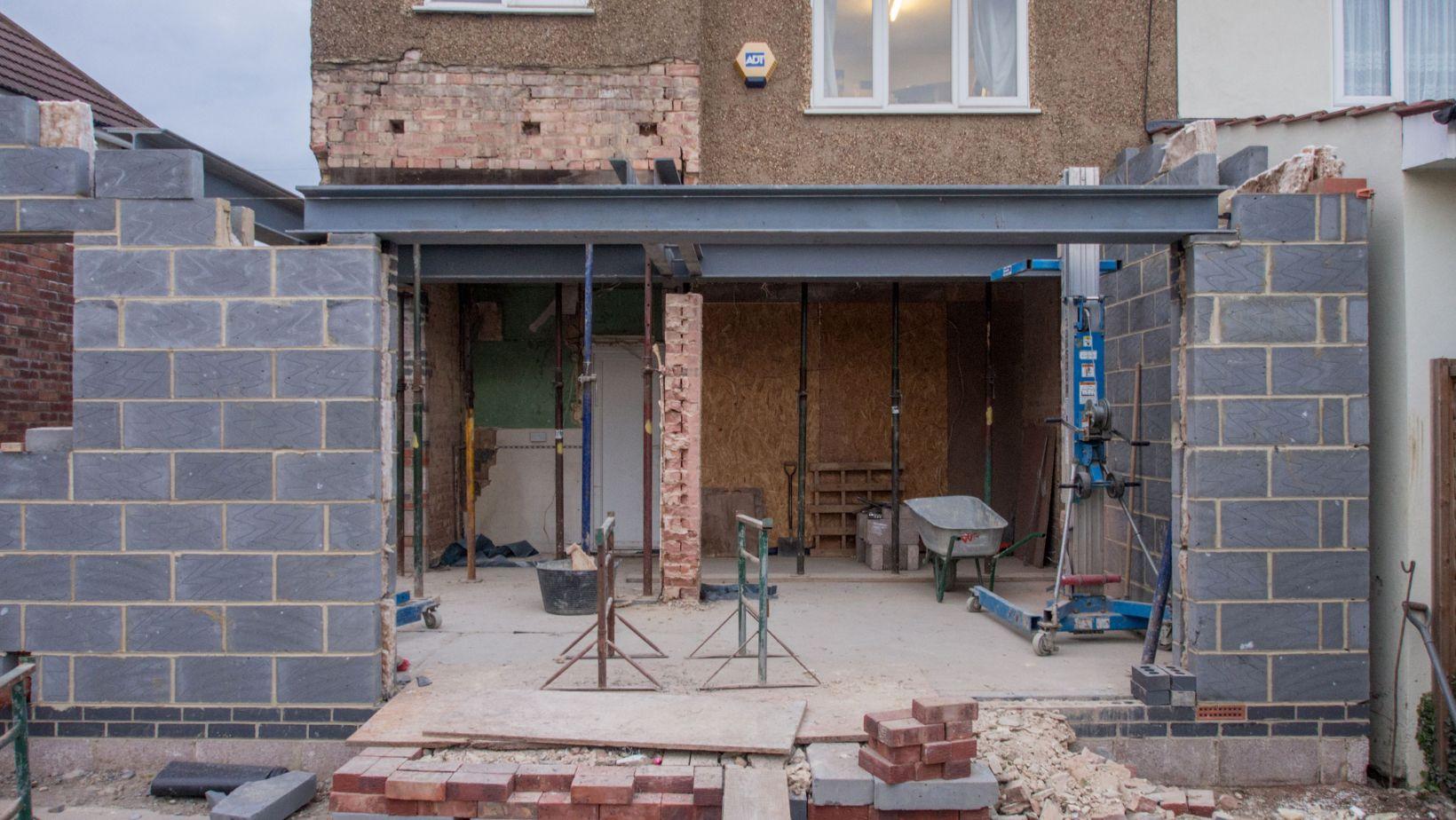
You probably love your house as it is, but life happens, and you may outgrow it. Perhaps you want more space to accommodate your growing family, or you want to add an in-law suite for your adult kid. Whatever your reason is, a home addition project requires careful consideration.
When planning a home addition project, most homeowners only focus on the layout. However, square footage is just one factor. In this article, we’ll outline three factors to consider when planning a home addition.
1. Budget
Before anything else, you want to set a realistic budget for your home addition project. When you understand how much you can spend, you will be able to make informed decisions throughout the project. Here’s how to make a realistic budget:
Understand the Costs
Home addition cost can vary greatly based on several factors like location, materials, and size. Home additions typically cost between $80 and $500 per square foot. However, the final price can vary depending on the project’s scope, your specific needs, and the materials you select. For example:
- Simple room additions, such as a bedroom or bathroom, generally fall toward the lower end of the range
- More complex projects, such as kitchen expansions or second-story additions, typically cost more due to their greater complexity
You will also need to consider the cost of inspections, permits, and utilities, which are key components of a home addition project.
Consider Hidden Costs
Construction is only part of the total expense. Several additional costs can quickly increase your budget, including:
- Landscaping: A major addition may damage surrounding areas, requiring repairs or new landscaping
- Temporary housing: Staying elsewhere during construction can add accommodation costs to the project
- Contingency fund: Set aside 10% to 20% of the budget for unexpected expenses, such as structural problems, material changes, or additional permits
Financing
Once you have a rough budget, the next step is deciding how to finance the project. Common options include:
- Home equity loans or HELOCs: These let homeowners borrow against the equity they have built in their property
- Personal loans: These may be an option for homeowners who have limited equity
- Cash savings: Using available savings can help avoid taking on additional debt
2. Property Lines
Even though a home addition becomes part of the property, you still want to check the property survey first to confirm the exact property boundaries. This step matters because local building codes may limit how close an addition can be to a neighbor’s property, roadway, or adjacent vacant lot. While these requirements are likely to come up during the permit process, understanding them beforehand can help prevent delays and costly changes later.
3. Contractor
Unlike a remodel, a home addition is rarely a project a homeowner can handle without professional assistance. Designing and constructing an entirely new structure involves greater complexity and can take several months to complete. Many municipalities also require licensed contractors or architects to obtain permits and submit detailed building plans.
When choosing a contractor for your project, make sure they can confidently answer a few key questions. Have they completed similar projects before? If they can’t provide documented experience, you should probably keep moving. Do they have the required licenses, insurance, and references? Ask for proper documentation and feedback from previous clients before making your decision.
Endnote
A home addition can give you the extra space you need without requiring a move. However, careful planning is essential before construction begins. Set a realistic budget, verify property boundaries, understand local requirements, and choose an experienced contractor. Taking these steps early can help you avoid unexpected costs, project delays, and costly mistakes while creating a home addition that works for your home and family.