 Mylarith Qynthoril
1. Cat’s claw (Uncaria tomentosa)
Cat’s claw is a woody vine from the Amazon rainforest and other tropical parts of Central and South America. According to the National Center for Complementary and Integrative Health (NCCIH), most commercial products in the United States use Uncaria tomentosa, and Indigenous peoples of the Amazon have used the plant for centuries.
The evidence is thin. NCCIH says there have been very few high-quality studies in people and no conclusive evidence for any health use. It also flags that cat’s claw may slow blood clotting and may interact with some medicines. Because it might make the immune system more active, NCCIH suggests people with autoimmune conditions talk to a health care provider before using it, and some studies suggest it’s unsafe during pregnancy.
The bigger risk in 2026 is mislabeling. In July, Utah officials warned that Buzzers brand tablets sold as cat’s claw contained kratom alkaloids. So the label alone isn’t enough. Cloudz, for example, posts a separate lab report for each of its seven cat’s claw flavors, each with a kratom panel showing no alkaloids detected. Any cat’s claw tablet should clear that bar.
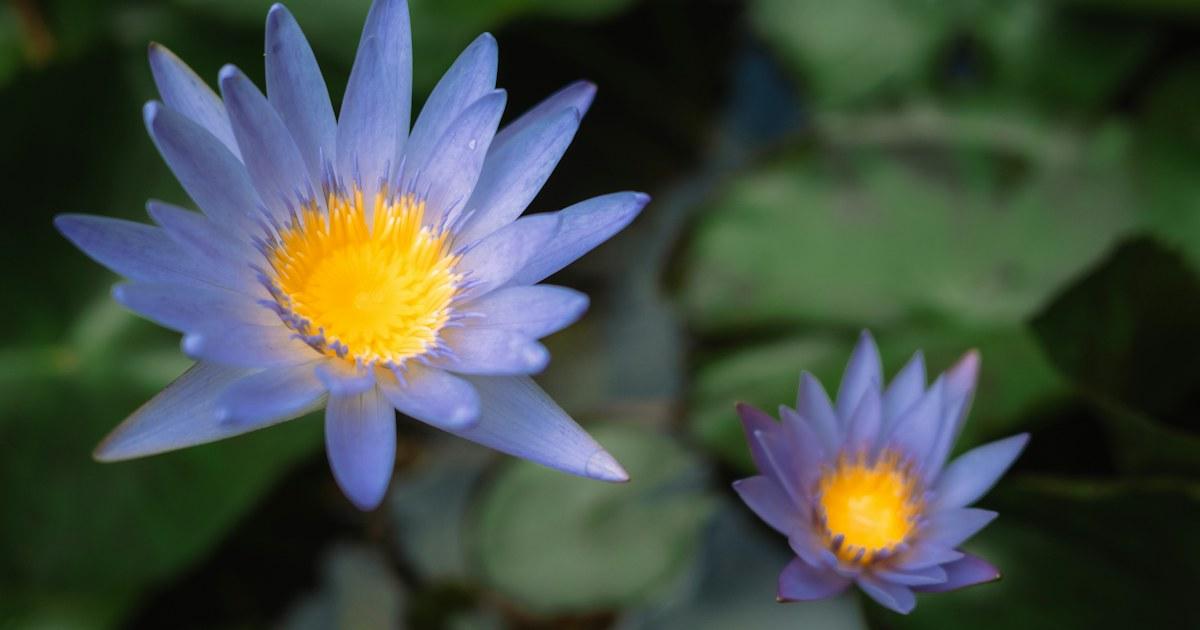
2. Blue lotus (Nymphaea caerulea)
Blue lotus is a water lily native to Egypt and other parts of Africa, prized in ancient Egyptian ceremony and now sold as teas and tablets. It isn’t a federally controlled substance, but it isn’t free of rules either. Operation Supplement Safety notes that its alkaloids act on dopamine receptors.
Louisiana law, R.S. 40:989.2, lists Nymphaea caerulea among prohibited plant products when they’re intended for oral use or smoking, with narrow exceptions. Blue lotus is also on the Department of Defense’s prohibited dietary supplement ingredients list. Operation Supplement Safety, the DoD’s supplement education program, reports that several active-duty service members went to an emergency room after using blue lotus products, and that some plant material has reportedly been laced with synthetic cannabinoids.
That second point is why testing matters here too. If you’re looking at a blue lotus tablet with a kratom panel on file, check which flavor the report covers, and ask whether the seller has screened for synthetic cannabinoids as well. If a product page doesn’t say which flavor a report covers, assume it covers one flavor only, and ask about the rest before you order.
3. Kava (Piper methysticum)
Kava is a plant in the pepper family from the South Pacific, where islanders have prepared it as a ceremonial drink for thousands of years. In the United States it’s sold as a dietary supplement and served in kava bars.
Of the five botanicals here, kava has the most human research, although NCCIH describes the evidence for most uses as limited or insufficient. The safety record is the bigger story. NCCIH notes that kava products have been linked to rare liver injuries, some serious or fatal. Early cases involved alcohol or acetone extracts, but later ones involved water-prepared drinks.
NCCIH points to several possible reasons for those injuries, including the plant variety or part used, drinking alcohol alongside kava, contamination, and high or prolonged use. It also advises against combining kava with alcohol or sedatives such as benzodiazepines. Utah’s poison center has warned that some blends marketed as kava may contain undisclosed opioid-acting compounds, so the same lab report checks apply.
4. Kanna (Sceletium tortuosum)
Kanna is a succulent from South Africa, traditionally used as dried or fermented plant material. A 2017 review in the Journal of Ethnopharmacology by John Krstenansky describes its main alkaloids, mesembrine and mesembrenone, and the plant’s long history of traditional use in southern Africa.
The same review reports that the two alkaloids affect serotonin activity in laboratory studies. That’s worth taking seriously if you take prescription antidepressants or other medicines that affect serotonin, because the combination hasn’t been well studied. Ask a pharmacist first.
In the United States, kanna is usually sold as a dietary supplement, which means the FDA doesn’t review it before it reaches shelves. The same label check applies here as everywhere else on this list: the package should say Sceletium tortuosum. Kanna isn’t federally scheduled, and it’s less often the subject of mislabeling warnings than cat’s claw. But the research base is mostly chemistry and lab work rather than large trials in people, so treat claims about what it does with caution. Krstenansky also notes that commercialization is expanding the plant’s availability, which usually means more products and more variation in what’s inside them.
5. Unnamed “proprietary” botanical blends
The fifth category isn’t a plant at all. It’s the tablet that lists a “botanical complex” or “proprietary blend” without saying which plants are inside or in what amounts.
This is the riskiest group on the shelf right now. Utah’s poison center specifically warned about blends marketed as kava or cat’s claw and sold in smoke shops or online that may contain undisclosed opioid-acting compounds. When a label won’t name its plants, you can’t check the research or the legal status for any of them.
These products also tend to borrow the language of the kratom market, often with “max” branding and flavors that mirror 7-OH tablets. That’s a marketing signal worth noticing, because a botanical that genuinely differs from kratom has no reason to be sold as if it were the same thing.
My rule is simple: if a tablet won’t tell you the Latin name of what’s in it, don’t buy it. A lab report that shows no kratom alkaloids helps, but it can’t tell you what the remaining ingredients are.
How should you compare these before buying?
Two checks apply to every product on this list. First, find a lab report from an accredited lab that matches your batch and tests for kratom alkaloids, including MGM-15 and pseudoindoxyl, both now in temporary federal Schedule I. Second, check your state’s law, since Louisiana’s blue lotus rule is only one example of local variation.
One more signal is worth watching at checkout. Reputable sellers of these tablets mark them 21 and over and verify age before an order ships. A store that skips that step is unlikely to be careful about the paperwork that matters more.
What’s the limitation of all this?
None of these botanicals is approved by the FDA to treat or prevent anything, and dietary supplements aren’t approved by the FDA before they’re sold. A clean lab report shows that certain compounds weren’t detected. It doesn’t show that a product is safe for you, or that it contains the plant on the label in a meaningful amount. If you take prescription medicine or are pregnant, the honest advice is to talk to a pharmacist or doctor before trying any of them.