 Mylarith Qynthoril
Split system air conditioning is among the most popular choices for homeowners, and with good reason too. Heating and cooling accounts for over 50% of residential energy use in Victoria. Choosing an efficient system can substantially affect your energy bills and comfort. But with multiple options available, including multi-split systems, ducted solutions and portable units, determining which type suits your home can be challenging.
Each air conditioning system offers advantages depending on your space and budget. Split system air con units excel in certain situations, while other types may better serve different requirements. This piece walks you through the key differences between split systems and alternative options and helps you make an informed decision for your home.
Each air conditioning system offers advantages depending on your space and budget. Split system air con units excel in certain situations, while other types may better serve different requirements. This piece walks you through the key differences between split systems and alternative options and helps you make an informed decision for your home.
Understanding Split System Air Conditioners
What is a split system air conditioner?
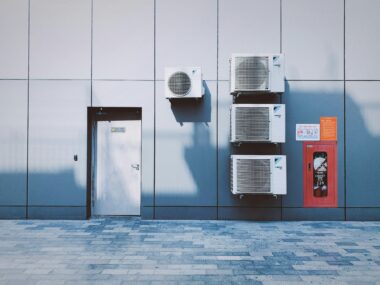
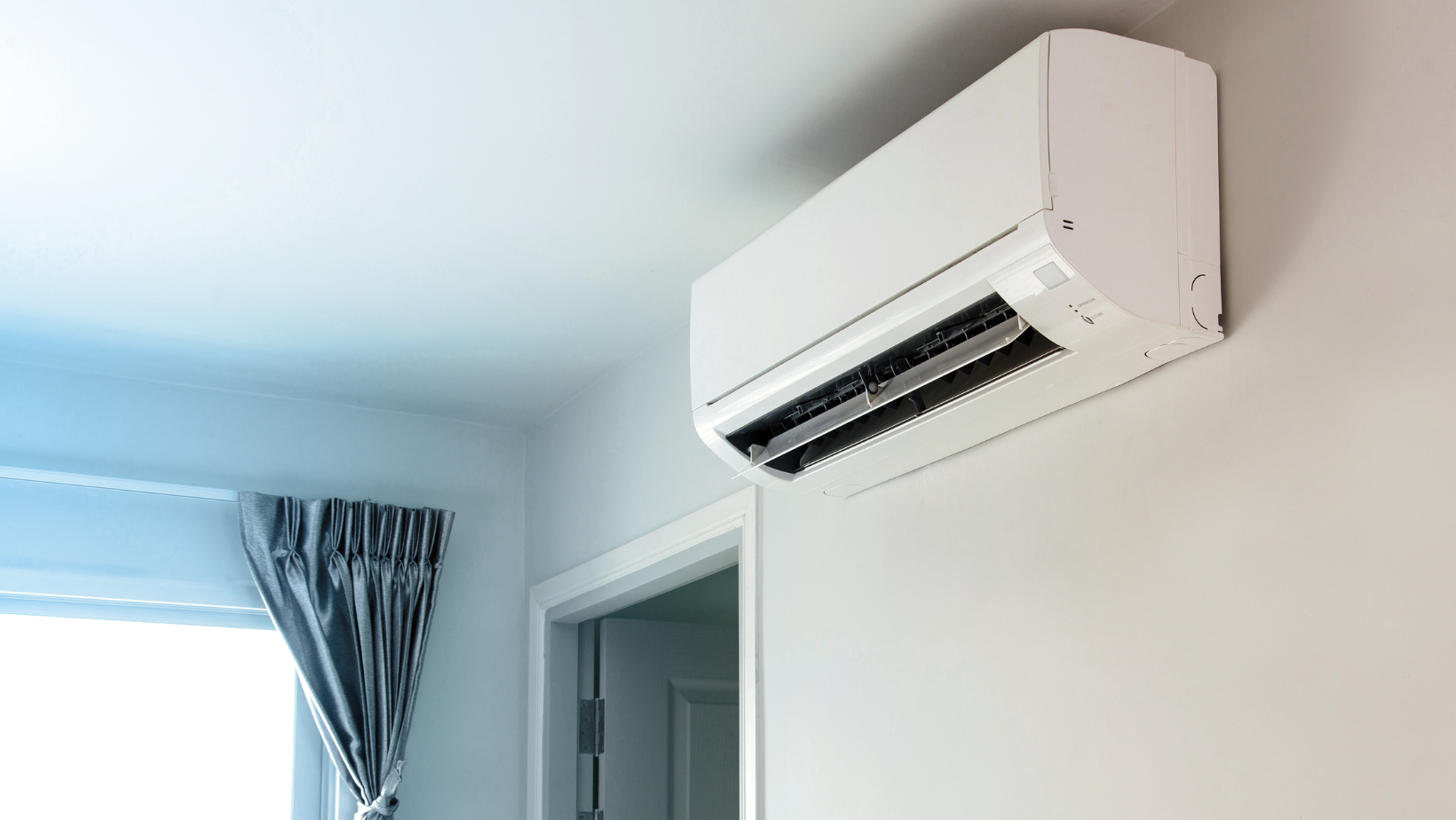
A split system air conditioner separates the cooling and heating equipment into two distinct units: an indoor component and an outdoor component. The indoor unit mounts on an internal wall or ceiling space and distributes conditioned air throughout the room. The outdoor unit sits outside the building and handles the heat exchange process. Refrigerant pipework and electrical cables connect these two units and allow them to work together as one integrated system.
This design contrasts with older window or wall units where all components existed in a single box. Split system air con units come in various configurations, including wall-mounted and floor-standing styles. Single-split systems use one indoor and one outdoor unit for a single room. Multi-head systems connect multiple indoor units to a single outdoor unit to cool multiple spaces.
How split systems work
Split systems operate through a refrigeration cycle that transfers heat between indoor and outdoor environments. During cooling mode, the indoor evaporator coil contains cold refrigerant that absorbs heat from room air. Warm air blows over this coil and the refrigerant captures the heat. It transforms from liquid to gas. The cooled, dehumidified air then circulates back into the room.
The gaseous refrigerant travels to the outdoor compressor, which pressurizes it and raises its temperature. This hot, high-pressure gas moves to the condenser coil, where it releases heat into the outside air and converts back to liquid. The refrigerant then passes through an expansion valve and drops in pressure and temperature before returning to the evaporator. The cycle repeats.
During heating mode, this process reverses. The system extracts heat from outside air and transfers it indoors. Your space warms even during cold weather.
Key components of split system air con units
The evaporator coil sits inside your indoor unit and absorbs heat from room air. The compressor, located in the outdoor unit, pressurizes refrigerant to enable efficient heat transfer. The condenser coil releases absorbed heat into the outdoor environment. The expansion valve regulates refrigerant flow and pressure between components. Air filters trap dust and allergens before air enters the system. Fan blowers circulate air across the coils in both units.
Benefits of choosing a split system
Split systems deliver targeted cooling and heating for specific areas rather than whole homes and reduce energy waste. The noisy compressor sits outside and makes indoor operation quiet for bedrooms and offices. Installation requires no ductwork. This keeps costs lower and work minimal. Many models include air purification features that filter airborne particles. Most modern split systems offer reverse cycle capability and provide both heating and cooling year-round. You control individual room temperatures and use energy only where needed.
Other Types of Air Conditioning Systems Explained
Multi-split air conditioning systems
Multi-split systems connect multiple indoor units to a single outdoor unit and give independent temperature control for different zones. Each indoor unit operates separately. You can set different temperatures in various rooms while you minimize exterior clutter. The outdoor unit distributes refrigerant to each indoor head unit through piping systems.
This configuration works well for apartments, townhouses, or homes with limited outdoor space. Installing multiple outdoor units proves impractical in these settings. You can combine different indoor unit types within the same system. Wall-mounted units in bedrooms and floor-standing units in offices work together. The outdoor unit provides its full rated capacity when only one indoor unit operates. But when multiple units run at once, the outdoor unit’s power distributes across all active zones.
Ducted air conditioning systems
Ducted systems deliver whole-home climate control through a central unit and concealed ductwork installed in ceiling or floor spaces. Air distributes through vents placed throughout rooms. This provides consistent temperatures across large homes or multi-level properties. The system has zoning capabilities. You control different areas independently and reduce energy consumption in unused spaces.
These systems operate quietly since working components sit in the roof cavity or outside. The installation requires suitable space for ductwork and represents a more complex project than split system air con units. Ducted solutions suit open-plan living areas where uniform temperatures matter most.
Portable and window air conditioners
Portable units are flexible for renters and temporary situations. No permanent installation is needed. You position them near a window for venting. Window units provide better cooling efficiency and direct more noise outside, but require secure mounting in window openings. Portable models consume more energy to cool the same area compared to window units.
Reverse cycle vs cooling only systems
Reverse cycle systems provide both heating and cooling by reversing refrigerant flow. They transfer heat rather than generate it. Cooling-only systems lack this heating capability and operate exclusively in cooling mode. Reverse cycle units achieve energy efficiency ratios of 300% to 600% by moving heat instead of creating it.
Split System vs Other Types: Key Comparisons
Installation requirements and costs
Single split system air con units require straightforward installation completed within a day, connecting indoor and outdoor units through piping and cables. Multi-split configurations need more complex work with professional expertise, though they eliminate multiple outdoor units. Ducted systems need adequate ceiling or underfloor space for ductwork. The process takes one to two days and often requires building adjustments. Project costs depend on installation complexity, with wall-mounted splits offering the most available setup.
Energy efficiency and running costs
Split systems achieve higher energy star ratings compared to ducted units. A 7-star 2.5kW split system consumes as little as 270 kWh annually, while a 2-star model of similar capacity uses over 900 kWh. Split systems excel at targeted efficiency since you condition only occupied spaces. Ducted systems consume more energy due to extended ductwork, though zoning capabilities improve performance.
Cooling and heating capacity
Proper sizing requires approximately 0.15 kW per square meter. Climate zone substantially affects capacity needs, with similar rooms requiring different outputs across cities. Oversized systems waste energy through short cycling. Undersized units run continuously at maximum output.
Maintenance and longevity
Systems deliver 10-15 years of reliable operation with proper maintenance. Split system air conditioners need filter cleaning every three months depending on use. Regular servicing by qualified professionals prevents efficiency losses and extends lifespan beyond typical expectations.
Noise levels and placement options
Modern split systems operate at whisper-quiet 19-30 dB indoors. Ducted systems produce 30-50 dB, while portable units generate 42-65 dB. Indoor units require 15cm clearance and high wall mounting for optimal airflow. Outdoor units need 300mm clearance in all directions and shade from direct sunlight.
How to Choose the Right Air Conditioner for Your Home
Assess your home size and layout
Measure each room’s length and width to calculate square meters. Rooms up to 20 square meters suit 2.5kW units. Spaces between 40-60 square meters need 5-8kW capacity. Ceiling height above 2.4 meters increases requirements by about 20%. Open-plan layouts benefit from split system air con units placed for optimal airflow distribution.
Your climate zone matters
Climate substantially influences capacity requirements. Darwin needs 2.9kW to cool a 30 square meter room. Hobart requires only 1.8kW for similar space. Hot, humid regions just need higher capacity and dehumidification features. Reverse cycle models suit areas that experience both temperature extremes.
Work out your cooling and heating needs
Apply the simple formula of 0.15 kilowatts per square meter as your starting point. Factor in window orientation, insulation quality and occupancy levels. North-facing and west-facing windows increase heat gain by 10%. Professional load calculators from AIRAH provide precise assessments that incorporate all variables.
Budget: upfront vs running costs
Balance your original investment against long-term energy expenses. Higher energy star ratings reduce running costs substantially. Systems with more stars cost more upfront but deliver ongoing savings through lower electricity consumption.
Key features worth having
Wi-Fi connectivity lets you control the system remotely through smartphone apps. Presence sensors detect room occupancy and adjust operation. Air purification filters remove allergens and pollutants. Sleep mode adjusts temperature overnight for comfort and efficiency.
Making Your Final Decision
Choosing the right air conditioning system depends on your specific needs, home layout and budget. Split system air con units work best for targeted cooling and heating. Ducted systems suit whole-home comfort. Your decision should balance upfront investment against long-term running costs, and you need to assess your space and climate zone requirements. The right system will deliver comfort and savings for years.