 Craig Pornorey
Wine cellars have evolved far beyond simple storage rooms hidden in basements. Today, they are architectural statements that combine preservation technology with high-end interior design. For homeowners and collectors, a wine cellar is now both a functional necessity and a form of personal expression. Whether built into a luxury estate or a compact urban home, modern wine cellars can transform an ordinary space into a visually striking feature. This article explores 15 inspiring ideas that show how creativity and engineering work together to elevate wine storage into fine art.
What Makes a Wine Cellar Both Functional and Artistic
A successful wine cellar balances precise environmental control with thoughtful design. The best spaces protect wine while also enhancing the overall aesthetic of a home. When exploring different wine cellar designs, it is important to understand the core principles that support both beauty and performance. Temperature stability ensures the wine ages properly without spoilage. Humidity control protects cork integrity and prevents mold growth. Smart spatial planning maximizes storage without overcrowding. Materials like wood, glass, and metal contribute to both durability and style. Lighting design enhances presentation while avoiding heat exposure. A well-designed cellar is not just a storage area. It is a curated environment where engineering and artistry meet.
15 Stunning Wine Cellar Design Ideas
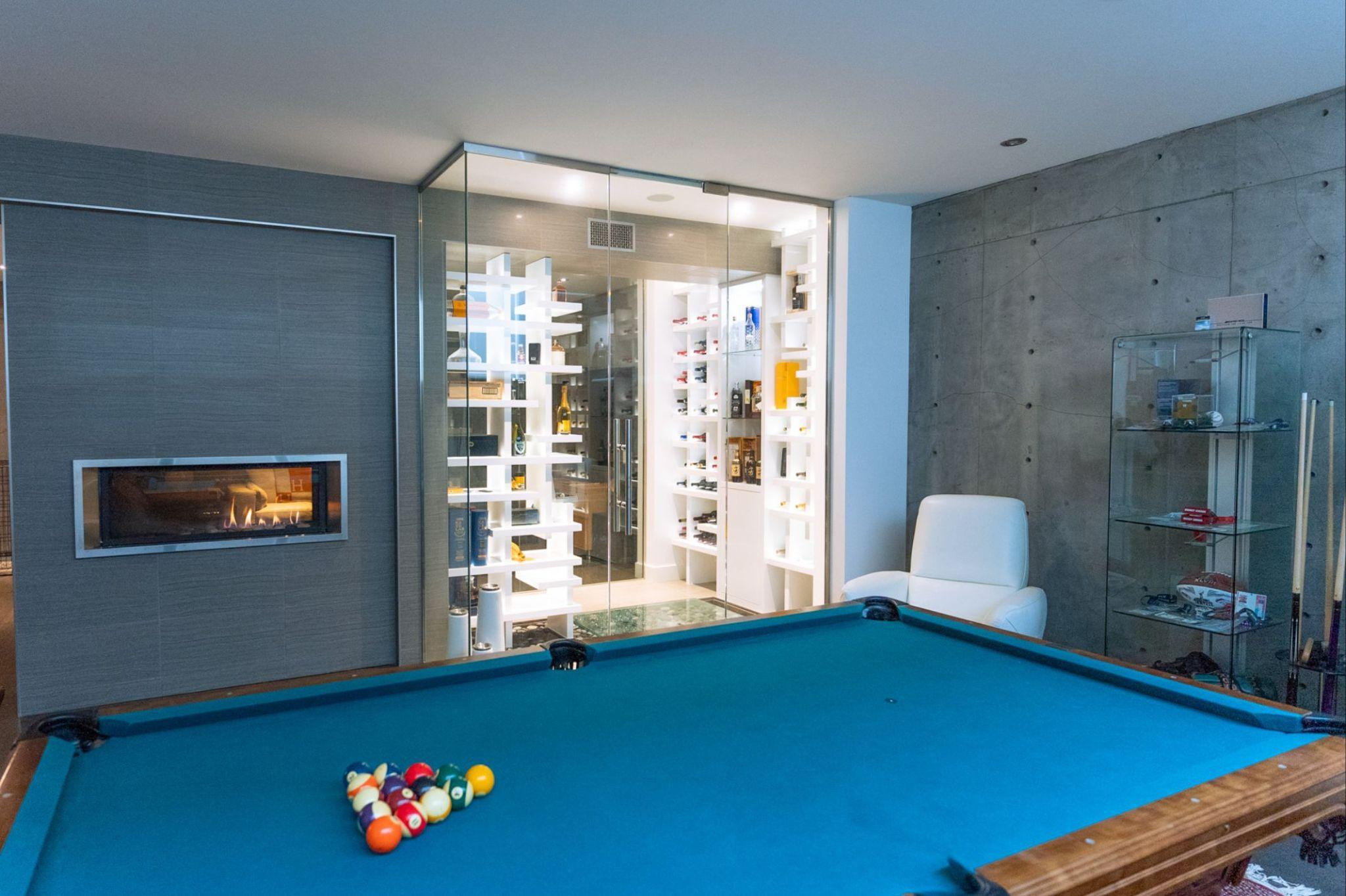
- Glass-Enclosed Wine Wall
A transparent feature that turns wine bottles into a visual display while maintaining climate control behind insulated glass. - Rustic Stone Cellar
Natural stone walls paired with wooden racks create a timeless, old-world atmosphere ideal for traditional collectors. - Minimalist Acrylic Display
Floating racks and clear materials produce a gallery-like effect that emphasizes simplicity and elegance. - Under-the-Stairs Wine Nook
A clever use of unused space that transforms a staircase area into a compact yet functional cellar. - Luxury Walk-In Cellar
A spacious design featuring custom shelving, seating areas, and premium finishes for entertaining guests. - Industrial Metal Racking Design
Exposed metal structures and darker tones create a bold, urban-inspired aesthetic. - Hidden Wine Room Behind a Door
A concealed cellar that opens through cabinetry or a secret panel, adding an element of surprise. - Floor-to-Floor Wine Display
Vertical storage that stretches across an entire wall, maximizing both capacity and visual impact. - Bar and Wine Cellar Combo
A multifunctional space that integrates wine storage with a built-in bar for entertaining. - Art-Inspired Wine Cellar
Incorporates murals, sculptures, or custom lighting installations to make the cellar a creative showcase. - Compact Urban Wine Closet
Designed for apartments or condos, this solution uses smart cooling units and compact racking systems. - Traditional Wooden Rack Cellar
Warm wood tones and classic layouts emphasize heritage and timeless wine storage traditions. - Curved Wall Wine Cellar
Architectural curves soften the space and create a unique, flowing visual structure. - Outdoor-Inspired Wine Room
Natural materials like wood, stone, and greenery bring an organic feel indoors. - Smart Tech-Integrated Cellar
Advanced systems allow remote temperature control, humidity monitoring, and digital inventory tracking.
Choosing the Right Design for Your Space

Selecting the right wine cellar design depends on space, budget, and lifestyle needs. Evaluating available square footage and structural limitations is essential before committing to a layout. Matching the design style with your home’s existing interior aesthetic ensures visual cohesion. It is also important to consider whether the cellar is intended primarily for storage, display, or entertaining. Materials should support both insulation performance and long-term durability. Planning for future expansion is also advisable, especially for growing wine collections.
Key Features to Include in Any Wine Cellar
Every functional wine cellar must include essential systems that preserve wine quality. A reliable temperature control system maintains stable conditions year-round. Humidity regulation is necessary to protect corks and prevent spoilage. Proper insulation reduces external environmental interference. Lighting should be UV-protected or low-heat to avoid damaging wine over time. Durable construction materials ensure the cellar remains structurally sound and efficient for long-term use.
Tips for Blending Art and Function Seamlessly
The most successful wine cellars achieve harmony between design and practicality. Lighting should be used strategically to highlight architectural features and bottles without generating excess heat. Combining textures such as wood, glass, and metal adds depth and visual interest. Overcrowding should be avoided to maintain both airflow and a clean aesthetic. Accessibility must remain a priority so bottles can be retrieved and organized easily. Above all, decorative elements should enhance rather than compromise climate control performance.