 Qyndarix Thalendros
For decades, the garage was a purely functional space—somewhere to park the car, store tools, and stack boxes that rarely saw the light of day. Increasingly, however, that perception is changing. Across the UK and beyond, garages are being reimagined as curated environments that reflect the same care, identity, and aesthetic consideration once reserved for interiors.
This shift is closely tied to the evolution of car culture itself. As vehicles become more expressive and personal, the spaces that house them are following suit. The result is a growing overlap between automotive enthusiasm and home design—one that is quietly redefining how people think about both.
From Storage Space to Statement Space
The traditional garage was never designed with experience in mind. It was practical, often cold, and usually disconnected from the rest of the home. Today, that’s no longer the case.
Modern garages are being treated as extensions of living space. Polished concrete floors, integrated lighting, climate control, and carefully planned layouts are becoming standard in enthusiast homes. In some cases, garages are even designed with viewing in mind—glass partitions, open-plan access, and seating areas that turn the act of simply looking at a car into part of daily life.
This transformation reflects a broader cultural shift: the car is no longer just a tool, but an object of design, identity, and emotional value.
The Influence of Car Culture
Car culture has always been about more than driving. It’s about craftsmanship, aesthetics, and personal expression. What’s changing is how that culture intersects with domestic life.
The rise of vehicle personalisation—whether through subtle modifications or more comprehensive builds—has encouraged owners to think holistically about presentation. A carefully detailed car loses some of its impact if it’s parked in a cluttered, poorly lit space. As a result, the garage becomes part of the overall experience.
This is particularly evident among collectors and enthusiasts, but it’s increasingly filtering into the mainstream. Even everyday drivers are beginning to see their garages not just as storage, but as environments worth investing in.
Design Trends Shaping the Modern Garage
Several key design trends are driving this evolution:
Minimalism and Clean Lines
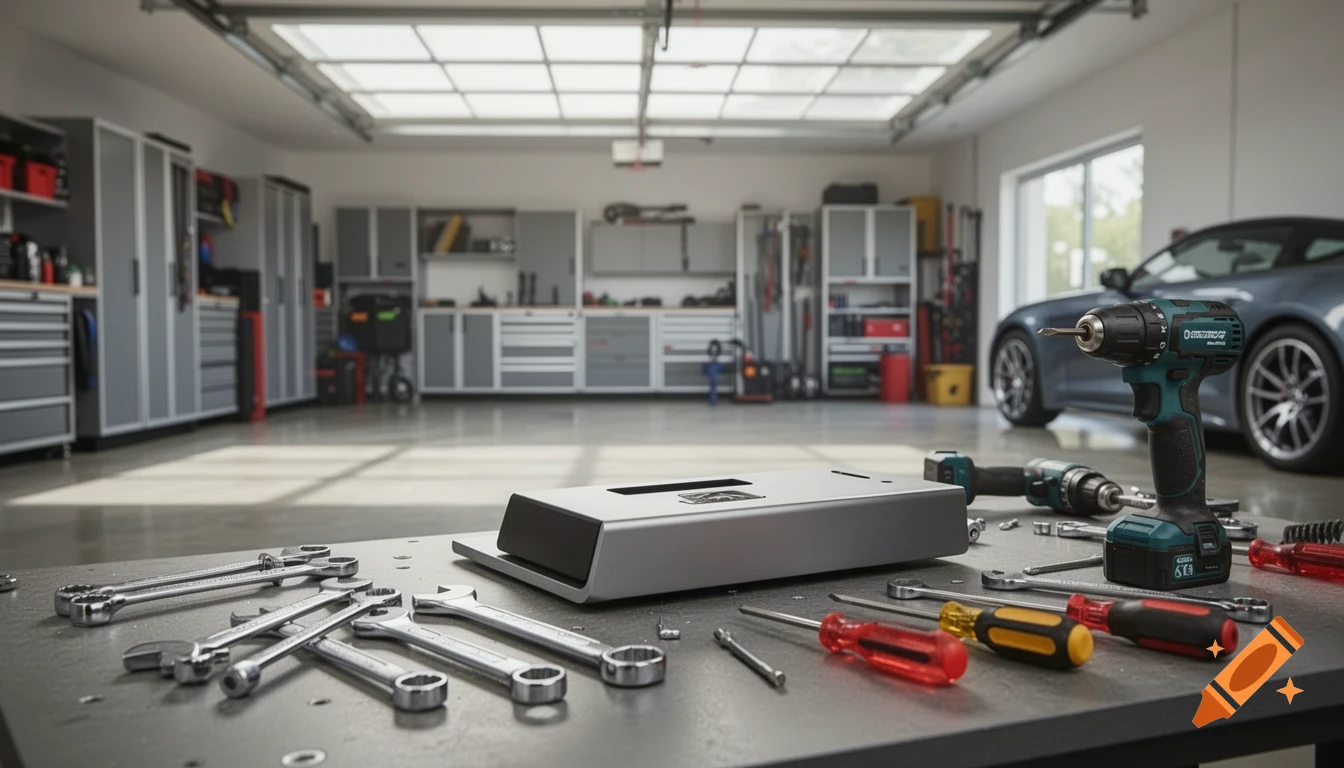
Inspired by both automotive design and contemporary interiors, many garages now prioritise simplicity. Hidden storage, wall-mounted systems, and uncluttered surfaces create a sense of order that mirrors the precision of the vehicles themselves.
Lighting as a Feature
Lighting has moved beyond basic functionality. LED strips, accent lighting, and colour-adjustable systems are used to highlight the contours of a car, much like in a showroom. The effect is both practical and atmospheric.
Material Consistency
There’s a growing emphasis on continuity between the garage and the rest of the home. Materials such as brushed metal, glass, and high-gloss finishes create a seamless transition, reinforcing the idea that the garage is part of the living environment.
Multi-Use Spaces
Garages are increasingly multifunctional. Alongside vehicle storage, they may include workspaces, lounges, or even entertainment areas. This reflects a shift in how people use their homes—spaces are expected to be flexible and adaptable.
The Role of Identity
At the heart of this trend is identity. Just as drivers personalise their vehicles, they are now personalising the spaces around them. The garage becomes a reflection of taste, interests, and lifestyle.
This extends to even the smallest details. Subtle elements—badging, colour schemes, or the way a vehicle is presented—contribute to a cohesive aesthetic. It’s part of a wider movement where ownership is not just about possession, but about expression.
In this context, details that might once have been overlooked take on new significance. For example, elements like number plates—traditionally seen as purely functional—can become part of a vehicle’s overall look. It’s one reason why companies such as Number 1 Plates have seen steady interest from drivers who are paying closer attention to how every aspect of their car contributes to its identity.
Social Media and the Visual Garage
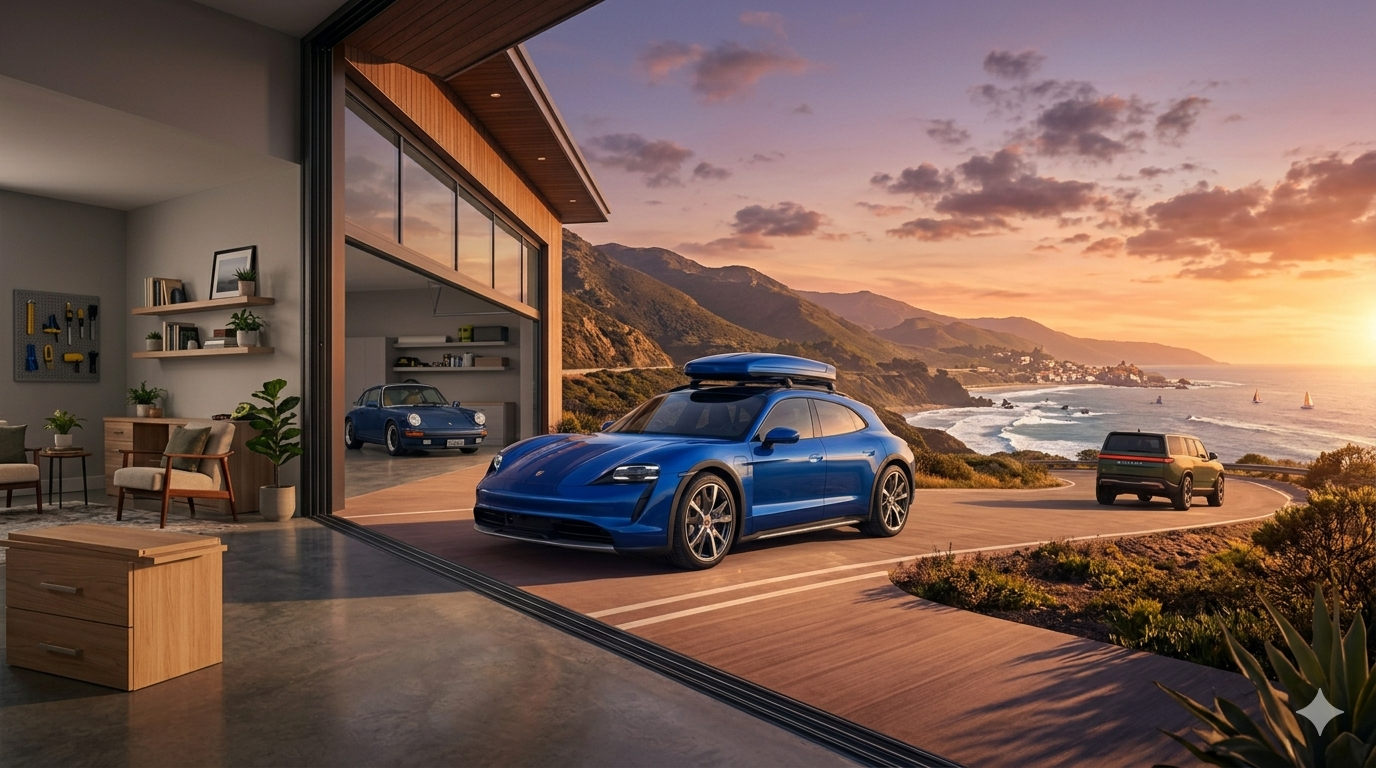
The rise of visually driven platforms has also played a role in this shift. Garages are no longer private, hidden spaces; they’re increasingly shared online.
Photographs and videos of cars are often taken in controlled environments, where lighting, background, and composition are carefully considered. A well-designed garage provides the ideal setting, allowing owners to present their vehicles in a way that aligns with their personal brand.
This has led to a feedback loop: as more people share these spaces, expectations rise, and the idea of what a garage “should” look like continues to evolve.
The Impact of Electric Vehicles
The transition to electric vehicles (EVs) is adding another layer to this trend. Charging infrastructure requires integration into the home, bringing the garage further into focus.
EV owners often approach their garages with a forward-looking mindset, incorporating smart technology, energy management systems, and modern design elements. The result is a space that feels less like a workshop and more like a clean, tech-driven environment.
This aligns naturally with the broader movement towards garages as refined, intentional spaces.
Rethinking Domestic Space
What’s happening with garages is part of a wider reconsideration of how domestic space is used. As lifestyles change, so do expectations of the home. Rooms are no longer fixed in purpose; they evolve alongside the people who use them.
The garage, once overlooked, is now being re-evaluated through the lens of design, technology, and personal identity. It’s becoming a place where automotive culture and home life intersect in meaningful ways.
Conclusion
The idea of the garage as a secondary space is gradually fading. In its place is a new vision—one where the garage is integrated, intentional, and reflective of the same values that shape the rest of the home.
This transformation is being driven not by necessity, but by culture. As cars become more expressive and personal, the environments that surround them are following suit.
In that sense, the modern garage is no longer just where the car lives. It’s where automotive identity meets everyday life—blurring the line between function and design, and quietly redefining what it means to feel at home behind the wheel.