 Craig Pornorey
Austin is a city with a strong point of view. From limestone exteriors and wide covered porches to modern glass builds tucked into the hills, the architecture here is shaped by land, light, and lifestyle. Designing a home in this setting takes more than selecting beautiful furnishings. It calls for a full understanding of how architecture and climate work together in Central Texas.
For homeowners building or remodeling in Austin, interior design should not feel separate from the structure itself. The most successful homes feel grounded in their surroundings, both visually and practically.
Understanding Austin’s Architectural Language
Austin homes often blend traditional Texas materials with contemporary lines. You will see natural stone, warm woods, steel windows, and open floor plans that invite the outdoors in. Ranch properties, lake houses, and new builds in West Lake or Tarrytown each have their own character, but they share a connection to the land.
Interior design in this context is about supporting the architecture, not competing with it. If a home features exposed beams and tall ceilings, the scale of furnishings must match. If a new build leans modern with large panes of glass, the interior plan should frame those views rather than distract from them.
This level of cohesion requires early involvement in the design process. Luxury interior designers who work at the architectural level can develop detailed plans, lighting layouts, millwork drawings, and finish selections that shape the home long before furniture arrives. That way, every detail feels intentional.
Designing for Heat, Light, and Long Summers
Austin’s climate plays a major role in how a home functions. Long, hot summers and strong sunlight affect materials, layouts, and comfort.
Natural light is one of Austin’s greatest assets, but it must be handled carefully. Large windows and sliding doors create bright, open interiors, yet they also introduce glare and heat. Thoughtful space planning can soften this. Layered window treatments, shaded outdoor areas, and carefully selected materials help balance beauty with livability.
Flooring, countertops, and fabrics should also respond to the climate. Stone and tile stay cool underfoot. Performance fabrics stand up to sun exposure and frequent entertaining. Wood selections must account for shifts in humidity. These choices are not simply decorative. They protect the long-term investment in the home.
Outdoor living is another defining feature of Austin life. Covered patios, outdoor kitchens, and pool areas often function as extensions of the interior. Designing these spaces alongside the main house creates a seamless flow. Furniture layouts, lighting plans, and material palettes should carry through from inside to out.
Creating Cohesion Across the Entire Home
Luxury homes in Austin are rarely about a single room. They are large, layered properties with multiple living areas, guest suites, offices, and entertainment spaces. Designing one room in isolation can disrupt the overall harmony.
A whole home approach allows for consistency in materials, proportions, and tone. The kitchen connects to the family room. The primary suite feels like a retreat yet still relates to the rest of the house. Even secondary spaces such as laundry rooms or mudrooms receive the same attention to detail.
This level of coordination requires a clear design brief from the start. Understanding how the homeowners live, entertain, and relax shapes every decision that follows. It also sets expectations around scope and budget.
In Austin’s luxury market, projects often begin at a significant investment level. Custom millwork, architectural lighting, bespoke furnishings, and detailed finish selections require planning and resources. Homeowners who are ready to commit to the full vision see the strongest results.
The Role of Interior Architecture in New Builds and Remodels
Many homeowners are surprised to learn that full-house interior designers can also handle interior architectural planning within the home. This expertise bridges the gap between structure and design, connecting layout decisions with finishes and furnishings from the very beginning.
In Austin, where remodels are common in established neighborhoods, this skill is especially valuable. Older homes may need reconfigured layouts, expanded kitchens, or updated primary suites. Thoughtful interior planning allows these changes to feel cohesive and well integrated with the existing structure rather than forced or disconnected.
For new builds, early collaboration shapes everything from ceiling treatments to custom cabinetry. Lighting placement, plumbing fixtures, and built in elements are considered before walls are closed. This level of planning reduces the likelihood of expensive revisions later and leads to a more polished and intentional result.
Designing for a Lifestyle Unique to Austin
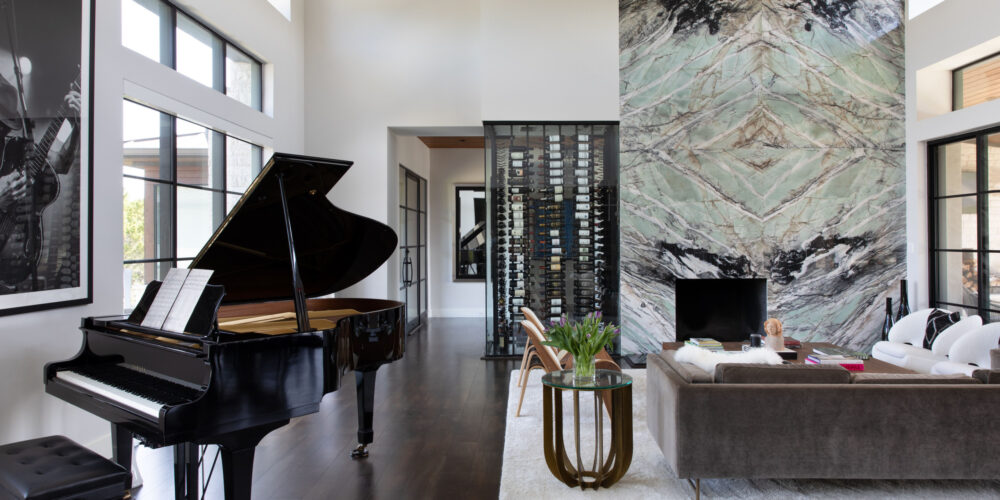
Austin is known for music, technology, outdoor recreation, and a strong sense of community. Homes often reflect this mix. Some include dedicated media rooms or wine spaces for entertaining. Others prioritize large home offices or wellness areas.
Ranches and second homes outside the city may lean into a relaxed yet polished aesthetic. Lake properties might highlight expansive views and durable materials suited for frequent gatherings. Urban residences can embrace a more contemporary edge.
No matter the setting, the goal is to design a home that feels personal and rooted in place. That requires time, collaboration, and a willingness to invest in quality.
Building Homes That Stand the Test of Time
Trends come and go, but Austin’s architectural spirit remains steady. Homes that respect their surroundings and climate age gracefully. They feel comfortable in every season and welcoming to guests.
For homeowners considering a large-scale remodel or new build, the most rewarding projects begin with a comprehensive vision. When architecture, interiors, and outdoor spaces are designed together, the result is a home that truly belongs in Austin.
Designing at this level is not about quick updates or single-room changes. It is about shaping an entire environment. In a city as distinctive as Austin, that approach makes all the difference.