 Craig Pornorey
Many renters focus on visible issues in a home such as cleanliness, layout, or maintenance quality. However, some of the most serious risks are not immediately visible. These hidden safety hazards can develop quietly and may go unnoticed until they cause real harm. One of the most important concerns in residential housing is carbon monoxide exposure, which can become a serious health risk if not properly addressed. In severe situations, tenants may seek help from a carbon monoxide lawyer to understand their rights and available options.
Home safety is not just about what can be seen. Many of the most dangerous issues in housing come from hidden systems, aging infrastructure, or equipment that is not properly maintained. Understanding these risks helps renters stay informed and take action when something seems wrong.
Why Hidden Home Hazards Are Often Overlooked
Hidden home hazards are difficult to detect because they do not always produce immediate or obvious signs. Unlike visible damage such as leaks or broken fixtures, these risks may develop inside walls, ventilation systems, or appliances.
In many cases, tenants may live with these issues for a long time before realizing there is a problem. This delay can increase the severity of the risk and make resolution more complicated.
Awareness is often the first step in preventing harm from these conditions.
Understanding Carbon Monoxide Risks in Housing
Carbon monoxide is a colorless and odorless gas that can be extremely dangerous when it builds up in enclosed spaces. It is often produced by fuel-burning appliances such as heaters, stoves, water heaters, and fireplaces.
If these systems are not properly maintained or ventilated, carbon monoxide can accumulate without warning. This is why it is often referred to as a silent risk in residential properties.
Because it cannot be detected without proper equipment, many housing safety regulations require the use of detectors in rental properties.
Common Sources of Hidden Safety Issues
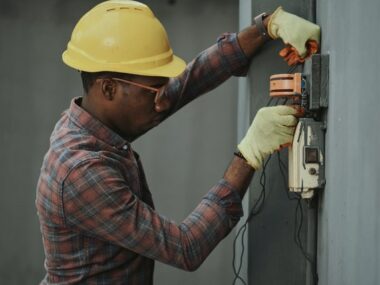
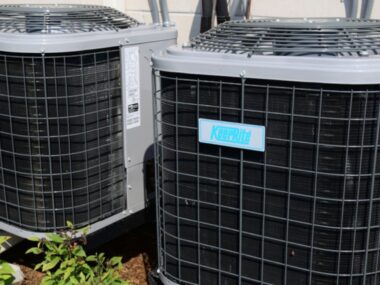
Several household systems can create hidden risks if they are not properly maintained. These include heating systems, gas appliances, electrical wiring, and ventilation systems.
Even small maintenance issues can become larger safety concerns over time. For example, a poorly ventilated appliance may not seem problematic at first but can create serious risks if left unchecked.
Regular inspections and maintenance play an important role in reducing these dangers.
When Home Safety Becomes a Responsibility Issue
In rental housing, responsibility for safety often depends on the nature of the issue and how quickly it is reported. Landlords are generally expected to maintain safe living conditions and ensure that essential systems are functioning properly.
Tenants also play a role by reporting problems as soon as they notice them. Early reporting helps prevent small issues from becoming serious hazards.
When safety concerns are not addressed in a reasonable timeframe, they may escalate into more serious disputes.
Why Early Action Matters in Safety Concerns
Acting early is critical when dealing with potential home hazards. Even if a problem is not fully understood, reporting it quickly can help ensure it is properly investigated.
Delays can increase both the risk level and the complexity of resolving the issue. This is especially important with invisible hazards like carbon monoxide, where exposure can have serious health effects.
Prompt communication between tenants and property owners helps reduce these risks.
How Renters Can Stay Proactive About Safety
Renters can take several steps to reduce exposure to hidden hazards. These include paying attention to unusual symptoms, ensuring detectors are installed and working, and reporting maintenance concerns quickly.
Being proactive does not require technical knowledge. It simply involves staying aware of changes in the home environment and responding when something feels off.
In many cases, early attention prevents more serious outcomes.
When Legal Guidance May Be Needed
In some situations, home safety concerns may go beyond routine maintenance issues. When serious hazards are not addressed or when communication breaks down between tenants and landlords, additional guidance may be helpful.
Legal professionals who focus on housing issues can help clarify responsibilities and explain available options. This can be especially important when health and safety risks are involved.
Understanding these options helps tenants make informed decisions in difficult situations.
Final Thoughts
Hidden home safety risks are an important but often overlooked part of renting a home. Carbon monoxide exposure is one of the most serious examples because it is not visible or easily detected without proper equipment. By understanding these risks and staying alert to potential warning signs, renters can better protect themselves and respond appropriately when issues arise.
In situations where safety concerns are not properly addressed, knowing when to seek additional guidance can make a significant difference in ensuring a safe living environment.