 Mylarith Qynthoril
The Unique Roofing Challenges of Historic Homes
New Orleans is home to one of the largest collections of historic architecture in the United States. From French Quarter townhouses to Garden District mansions, these homes tell the story of our city’s rich heritage. However, owning a historic home comes with unique roofing challenges that require specialized knowledge and careful attention.
The roofing systems on historic New Orleans homes were designed for a different era, using materials and techniques that may not align with modern building practices. Preserving these homes while ensuring adequate protection requires a delicate balance between historical authenticity and modern performance.
Aging and Deteriorated Materials
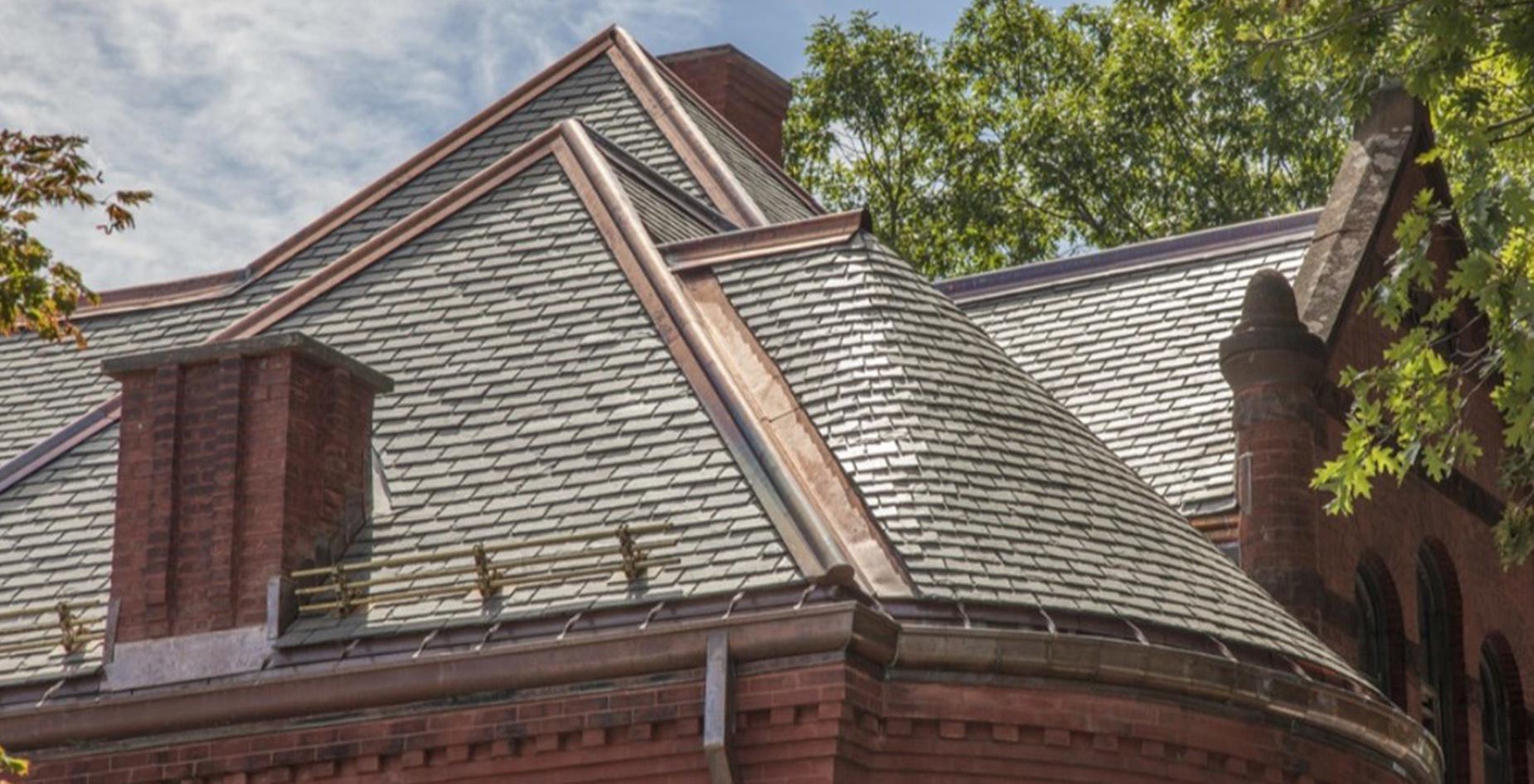
Many historic homes in New Orleans still have their original slate, tile, or wood shingle roofs. While these materials were built to last, decades or even centuries of exposure to our humid climate take their toll. Slate tiles can delaminate, clay tiles can crack, and wood shingles can rot or become infested with insects.
Determining when aging materials need replacement versus when they can be repaired requires experienced assessment. Some historic materials can be salvaged and reused, maintaining the home’s authentic character while addressing functional issues.
Structural Issues
Historic homes often have roof structures that differ significantly from modern construction. Rafter spacing, decking materials, and support systems may not meet current code requirements but are integral to the home’s historic character. These structural differences can affect how modern roofing materials are applied.
Sagging rooflines, common in older homes, may indicate structural issues that need to be addressed before any roofing work begins. Working with contractors who understand historic construction methods is essential for proper diagnosis and repair.
Proper drainage is also critical for preserving older structures, which is why many homeowners invest in New Orleans gutter repairing and maintenance services to help protect foundations, fascia boards, and roofing systems from long-term water damage.
Finding Appropriate Materials
Matching original roofing materials on historic homes can be challenging. Many traditional materials are no longer manufactured, or modern versions may differ in appearance and performance. Finding suitable replacements requires research and often custom sourcing.
For homes in historic districts or designated landmarks, material choices may be subject to review by preservation commissions. Working with a roofing contractor experienced in historic preservation helps navigate these requirements successfully.
Ventilation and Insulation Concerns
Historic homes were typically built without modern ventilation and insulation systems. While adding these features improves energy efficiency and roof longevity, it must be done carefully to avoid altering the home’s appearance or trapping moisture in existing structures.
Improperly installed attic ventilation can disrupt the historic interior finishes while inadequate ventilation accelerates roof deterioration. Achieving the right balance requires expertise in both modern building science and historic preservation principles.
Working With Preservation Guidelines
If your historic home is located in a designated historic district or is individually landmarked, any exterior modifications, including roofing, may require approval from the Historic District Landmarks Commission. Understanding these requirements before beginning work can save time, money, and frustration.
A trusted roofer New Orleans, LA homeowners rely on will understand how to navigate the approval process and present proposals that satisfy both preservation requirements and modern performance needs.
Roofing historic New Orleans homes presents challenges that demand specialized expertise. By working with qualified professionals who understand both modern roofing science and historic preservation principles, homeowners can protect their investment while preserving the architectural heritage that makes our city unique.