 Mylarith Qynthoril
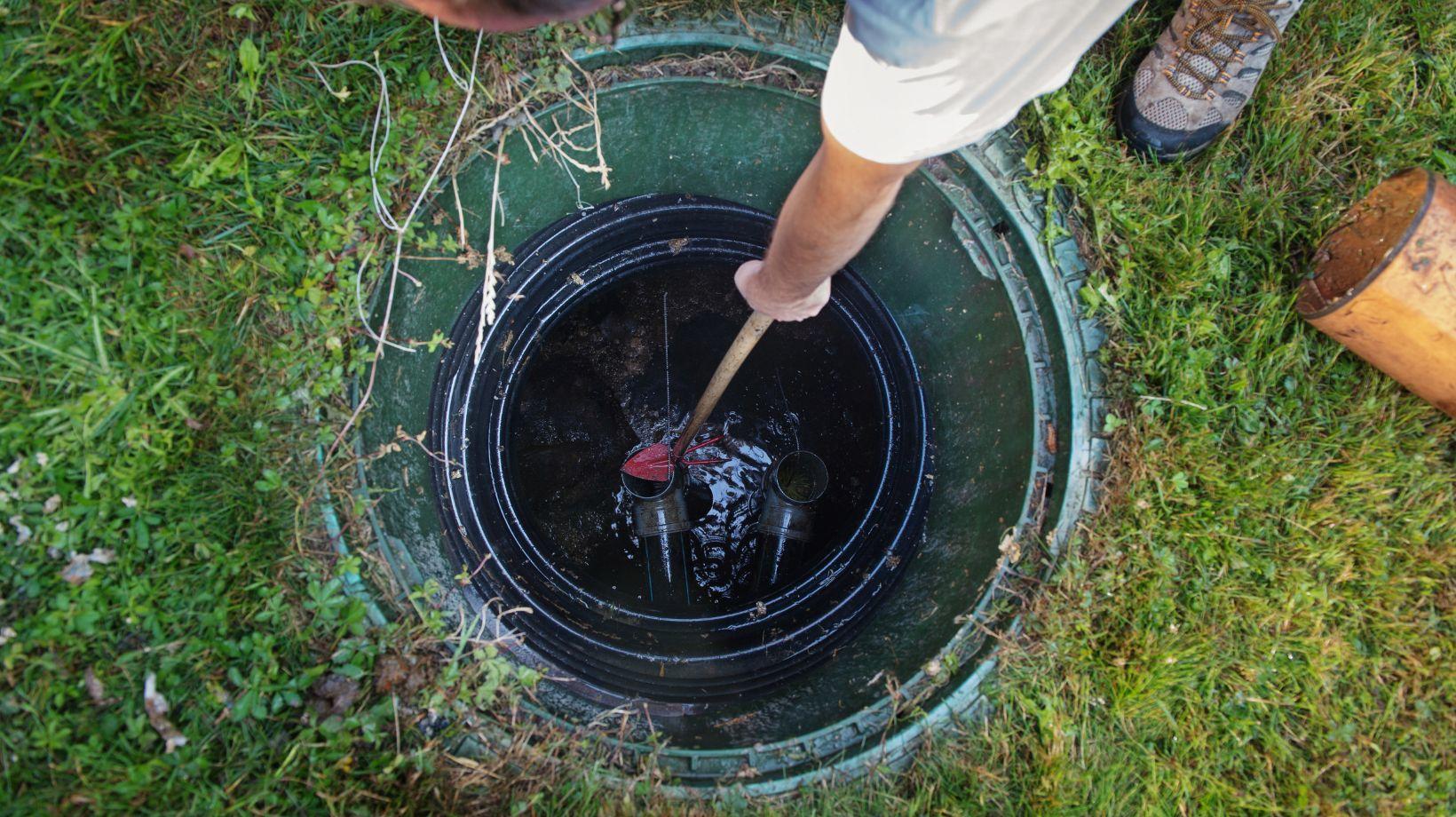
Most homeowners picture a septic inspection as someone briefly checking the tank and signing off. The actual process covers more ground: locating and opening the tank lid, checking inlet and outlet baffles for wear, testing the effluent filter, evaluating the distribution box, and walking the drainfield for signs of saturation or surfacing effluent. Septic inspection services from Septic Solutions LLC cover each of these steps rather than a quick visual check that misses developing problems.
Knowing what a thorough inspection actually includes helps homeowners tell a comprehensive service apart from a rushed one. We compared inspection scope, licensing, documentation quality, and reviews across five companies offering septic inspections in Western Washington.
What We Looked At
- Whether the inspection covers the full system or just the tank
- Licensing specific to operations and maintenance (O&M) inspections
- Documentation quality, including photos and written reports
- Turnaround time for reports needed by a deadline
- Verified review consistency for inspection work specifically
- Coverage across the relevant county’s specific requirements
1. Septic Solutions LLC
Septic Solutions performs full-system inspections covering tank condition, baffles, the distribution box, and drainfield performance, with photo documentation and clear reports for every visit. The company holds monitoring and maintenance licensing across Snohomish, King, Skagit, and Island counties.
Same-day scheduling is available in many cases, and reports come back quickly enough to support both routine maintenance planning and real estate deadlines. The company’s own equipment and licensed technicians mean inspections don’t get delayed waiting on a subcontractor’s availability.
2. Puget Sound Septic
Puget Sound Septic specializes in real estate septic inspections across King County, walking through tank condition, distribution box function, and system age and use history as part of a standard report. The company works directly with buyers, sellers, and agents to keep transactions moving.
Because the company’s focus leans heavily toward real estate transactions, it’s worth confirming whether routine, non-transaction inspections are handled with the same priority and turnaround as a deal tied to a closing date.
3. Greenworks of Washington
With more than a decade of experience, Greenworks of Washington performs county-mandated operations and maintenance inspections across King, Snohomish, Island, Pierce, Skagit, and Whatcom counties, including proprietary systems like Advantex and Whitewater. The company emphasizes homeowner education alongside the inspection itself.
Covering six counties is a wide territory for a smaller company, which can mean longer travel time depending on where a property falls within that range. Confirming a specific appointment window for a given address helps set realistic expectations.
4. Safe Harbor Septic
A small, family-run business serving Island and Skagit counties, Safe Harbor Septic emphasizes honest, straightforward communication about a system’s actual condition rather than upselling unnecessary work. Regular inspection and monitoring are treated as a core part of responsible septic ownership.
As a small operation focused on two counties, scheduling flexibility may be more limited during high-demand periods, particularly during peak home-buying season. Reaching out with some lead time helps avoid a scheduling crunch.
5. Dirty Deeds Septic
A locally owned, veteran-operated business, Dirty Deeds Septic provides septic inspections across Skagit and Island counties, with staff who live in the communities they serve. The company positions its inspection reports as a tool to help homeowners avoid real estate complications tied to a failing system.
Being based specifically in the Skagit and Island county area means coverage further south, such as central King County, isn’t part of the company’s regular service territory. Confirming coverage for a specific address before booking avoids a wasted call.
Comparison at a Glance
|
Company |
Best For |
Key Differentiator |
|
Septic Solutions LLC |
Full-system inspections with fast turnaround |
Licensed across 4 counties, own equipment |
|
Puget Sound Septic |
Real estate transaction inspections |
Works directly with agents and closing timelines |
|
Greenworks of Washington |
Proprietary system inspections |
Covers 6 counties, homeowner education focus |
|
Safe Harbor Septic |
Straightforward, no-upsell communication |
Small family-run business, Island and Skagit counties |
|
Dirty Deeds Septic |
Local, community-based service |
Veteran-operated, Skagit and Island counties |
Questions to Ask Before Booking an Inspection
Frequently Asked Questions
What does a septic inspection actually involve? A thorough septic inspection covers the tank’s structural condition, sludge and scum levels, inlet and outlet baffles, the distribution box, and drainfield performance. It’s more than a quick look at the tank lid, and a report should reflect each of these components.
How often should a septic system inspection happen? Routine inspections are generally recommended every 1 to 3 years, depending on system type and local requirements, with proprietary systems like aerobic treatment units often requiring annual inspection by regulation. Real estate transactions typically require a fresh inspection regardless of when the last one occurred.
What’s the difference between a septic tank inspection and a full system inspection? A tank-only inspection checks sludge levels and structural condition but doesn’t evaluate the drainfield or distribution box. A full system inspection covers all of these components and gives a more complete picture of overall system health.
How long does a septic inspection take? Most inspections take one to two hours depending on system complexity and how easily the tank and distribution box can be accessed. Reports are often available within a day or two afterward.
Can a septic inspection reveal a problem that wasn’t previously noticed? Yes, that’s one of the main benefits of a professional inspection. Slow drains, minor saturation, or a failing baffle often show no obvious symptoms until the problem has progressed further.
Do all counties in Western Washington have the same inspection requirements? No. Requirements vary by county and by system type, with proprietary systems typically requiring more frequent inspections than standard gravity systems. Confirming the specific requirement for a given property and system type avoids missing a mandated inspection.