 Mylarith Qynthoril
Most people believe a secondary dwelling begins with a design. However, an informed and intentional decision must precede: Will this simply occupy space, or will it enhance the value and functionality of your entire property? That single question changes the entire conversation.
Whether you’re creating accommodation for family, generating rental income, or increasing your property’s long-term value, the goal isn’t to fit another structure onto the block. The goal is to create an asset that solves problems before they exist.
That’s the difference between ordinary construction and strategic development. The building itself is only the visible outcome. The real value is created by the thinking that shapes every decision behind it.
1. The Best Granny Flat Project Begins by Reading the Property before Drawing the Plans
At its core, a well-aligned granny flat construction is defined by the flexibility and independence it offers. When navigating the design of a secondary dwelling, the conflict between optimizing the building for the climate and optimized proximity by placing the unit for convenience or land-use efficiency, is the central tension every expert must resolve.
In high-quality construction, these two priorities are not mutually exclusive; they are mutually reinforcing. Here is how they integrate:
Rather than asking, “Where can we fit another building?” the smarter questions become:
- Where can nature do part of the work for us?
- Which layout reduces future operating costs?
For example, rather than forcing a standard box shape, experts in granny flat construction can tailor and configure the roofline design or use clerestory windows to optimize the sun’s reach. Often, a slight adjustment in orientation or placement unlocks better comfort, lower energy consumption, fewer construction complications, and a stronger overall property value—all without increasing the build size.
2. Real Savings Come from Planning, Not Just “Cutting Costs”
It’s tempting to focus on finding the cheapest construction quote. Yet the projects that stay on budget usually have something else in common, they remove problems before they have the chance to become expensive. Experienced specialists don’t simply manage construction; they eliminate friction from the process itself.
That often means:
- Selecting designs with smoother approval pathways.
- Identifying compliance issues before they delay progress.
- Planning infrastructure alongside architectural decisions.
- Building flexibility into the project so future regulations are less disruptive.
The result isn’t just a faster project. It’s a calmer experience. Instead of reacting to unexpected obstacles, every stage feels intentional because potential setbacks have already been accounted for long before construction begins.
3. A Space That Evolves Never Stops Creating Value
One certainty about property is that life rarely stays the same. Today’s guest accommodation may become tomorrow’s rental suite. A quiet home office can eventually support a growing business, while extra family space may later become independent living for ageing parents.
Designing for future possibilities from the outset is a fundamental principle in architecture and property development crucial for a curated design that further supports “aging-in-place” design.
Thoughtful solutions include:
- Internal layouts that can evolve without structural alterations.
- Flexible rooms designed to support multiple lifestyles.
- Smart storage that keeps compact spaces feeling generous.
- Future-proofing the building envelope is the natural extension of the design-led approach
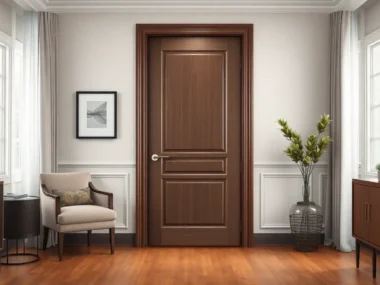
This model treats the granny flat as a flexible platform for long-term utility that adapts as needs change. Also, hardware is a “small detail, big impact” element that supports your structure’s long-term utility and future-proofing. For example, an ergonomic, lever-style door handle ensures ease of access for all ages and abilities.
4. The Real Return Begins After Construction Ends
For many, completion day is the end. But expert builders understand that it’s the day the building starts working for you. The most reliable designs enhance systemic reliability and operational simplicity, without demanding constant attention or costly upgrades.
Long-term performance often comes down to decisions many people never notice:
- Building envelopes that hold comfortable temperatures naturally.
- Durable materials that extend lifecycle and preserve capital.
- Energy-efficient systems that optimize consumption.
- Construction quality that minimizes maintenance before problems appear.
These choices may not always be the most visible, but they are often the most valuable. They define the technical standard required to achieve “gold-standard” status in the secondary dwelling market.
In essence, the future of secondary dwellings won’t be shaped by bigger floor plans or trendier finishes. It will belong to projects where every decision serves a purpose beyond the obvious. However, when you hire home construction experts, you can transform challenges into opportunities before construction even begins. That way, a secondary dwelling stops being an extension of the property, and it becomes the reason the entire property performs better.