 Mylarith Qynthoril
Expanding a home is exciting. Whether the goal is to build an addition, create an outdoor living area, extend a driveway, or add more functional space, most homeowners naturally focus on design ideas and finished results.
What often receives less attention is the work that happens before construction begins.
Excavation plays a critical role in preparing a property for expansion. It influences how well the project performs over time, how smoothly construction progresses, and whether unexpected costs appear later. Understanding the basics before breaking ground can help homeowners make better decisions and avoid common setbacks.
Excavation Is More Than Digging
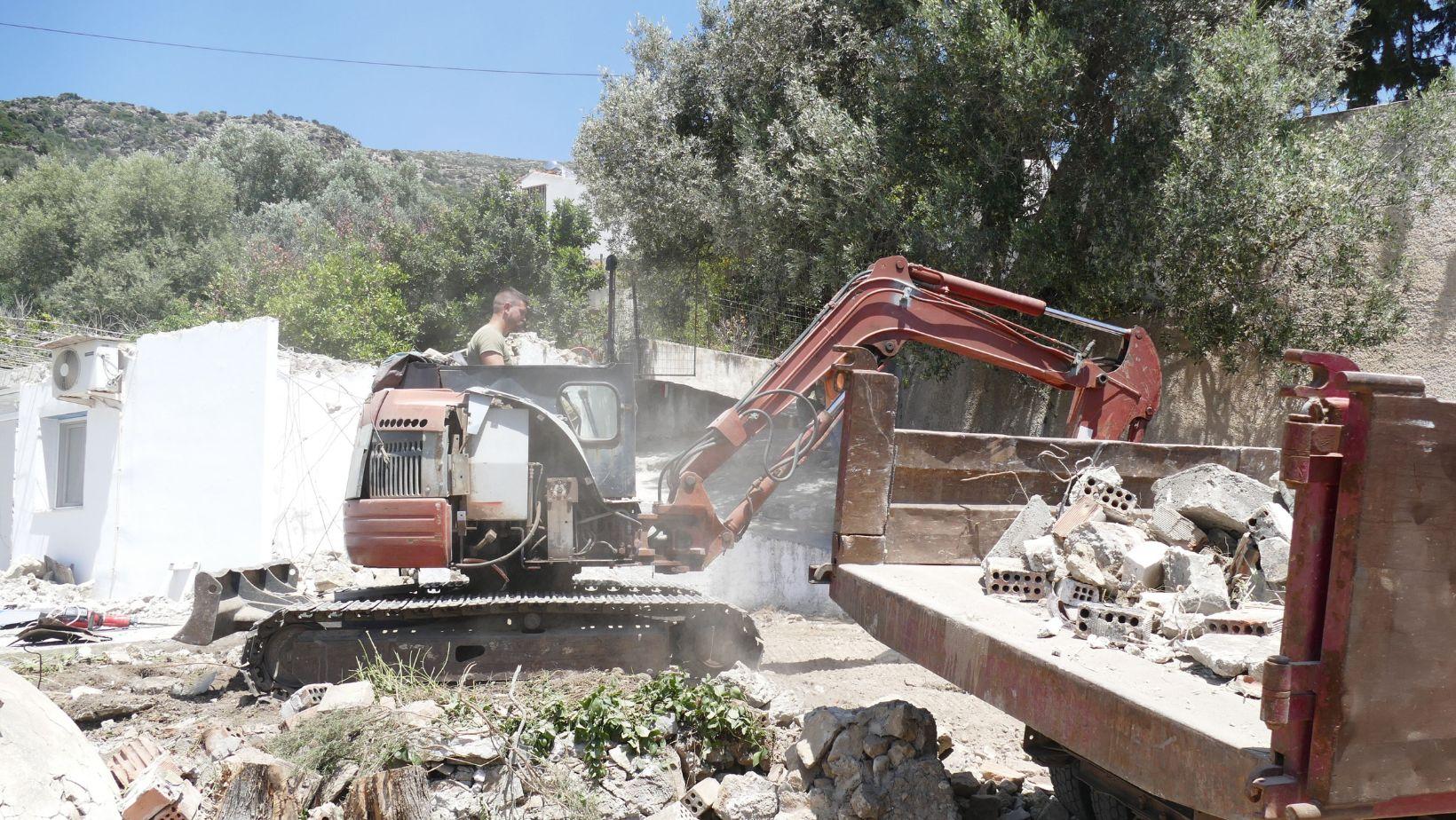
Many people associate excavation with heavy machinery and moving dirt. In reality, excavation is part of the broader preparation process that creates the conditions for safe and stable construction.
Depending on the project, excavation may include the following:
- Clearing and preparing the site
- Adjusting ground elevation and grading
- Removing unstable soil
- Planning drainage routes
- Creating access to equipment
- Preparing areas for foundations or structural support
The purpose is not simply to create space. It is to create a surface and environment that can properly support the planned expansion.
When this stage is rushed or overlooked, issues may surface later as poor drainage, uneven settlement, delays, or additional repair costs.
Every Property Has Different Ground Conditions
No two lots behave the same way.
A backyard expansion that appears straightforward on the surface may reveal challenges once work begins. Soil composition, moisture levels, slope, vegetation, and access limitations can all influence how excavation should be handled.
Before expanding a property, homeowners should consider factors such as:
Soil Stability
Different soil types respond differently to weight and changing weather conditions. Stable soil supports long-term performance, while weak or shifting ground may require additional preparation.
Drainage Patterns
Water movement across the property matters more than many homeowners realize. Excavation decisions can affect where water collects and whether runoff creates problems in the future.
Existing Utilities
Underground lines for water, gas, electricity, or communications may limit where excavation can occur and require careful planning.
Site Accessibility
Equipment access can influence timelines and construction methods, especially in established residential neighborhoods.
Understanding these variables early helps reduce unexpected changes once construction begins.
Permits and Planning Should Happen Early
Excavation and expansion projects often involve local requirements that go beyond construction itself.
Depending on the scope of work, homeowners may need approvals related to:
- Site preparation
- Structural additions
- Drainage adjustments
- Utility access
- Property boundaries
- Environmental considerations
Starting excavation without understanding local requirements can create delays that affect the entire project schedule.
It is also worth discussing timelines upfront. Site preparation sometimes uncovers conditions that require modifications before the visible building phase begins.
Drainage Problems Can Become Expensive
One of the biggest long-term risks in property expansion is poor water management.
Excavation directly influences how water behaves around a structure. If grading is incorrect, water may collect near foundations, create erosion, damage landscaping, or contribute to structural wear over time.
Homeowners planning an expansion should ask how the project will be managed:
- Surface runoff
- Soil erosion
- Water direction after rainfall
- Changes in elevation
- Foundation protection
Addressing drainage during excavation is usually simpler and more cost-effective than correcting issues after construction is complete.
Contractor Selection Shapes the Entire Process
Excavation decisions affect more than the earliest phase of construction.
The right planning approach can influence budgets, schedules, and long-term property performance. Working with an experienced excavation contractor Silt CO, homeowners may consider helping to identify site access concerns, grading requirements, and preparation needs before construction moves forward.
The goal is not simply completing excavation quickly but ensuring the property is prepared correctly for what comes next.
Questions Homeowners Should Ask Before Work Begins
Before approving excavation work for an expansion project, ask a few practical questions:
- What site preparation is included in the scope?
- How will drainage be managed?
- Are underground utilities identified?
- What permits or approvals may be required?
- Will landscaping or existing structures be affected?
- What conditions could increase project costs later?
Clear answers up front often reduce surprises during construction.
Final Thoughts
Property expansion projects usually begin with ideas about extra space and improved functionality, but successful outcomes often depend on work that happens below the surface.
Excavation creates the foundation for everything that follows. Taking time to understand site conditions, drainage, permitting, and preparation can help homeowners make informed decisions and support a smoother building process from start to finish.