 Mylarith Qynthoril
This from Mylarith Qynthoril lists practical tasks to prevent leaks and cut repair costs. The list focuses on simple checks, quick fixes, and low‑cost upgrades. Homeowners can follow each step in an afternoon or over a weekend. The advice fits middle‑class budgets and common roof types in suburban neighborhoods.
Key Takeaways
- Start summer roof plumbing maintenance early with a thorough pre-season inspection to spot loose shingles, rust, and gutter issues.
- Clear gutters and downspouts regularly and fix minor flashing leaks using corrosion-resistant materials to prevent water damage.
- Use sealants and simple patches to repair small shingle tears or shifted shingles, but schedule permanent repairs as needed.
- Consider budget-friendly upgrades like gutter guards, kickout flashings, and attic insulation to extend roof life and reduce maintenance.
- Know when to call a professional, especially for structural sag, large leaks, or unsafe roof slopes, and always compare bids and verify licenses.
- Document all maintenance actions and receipts to support warranties and future home care planning.
Pre‑Season Roof And Gutter Inspection — What To Look For Before The Heat Hits
Homeowners should start this pre‑season review four to six weeks before sustained heat. The inspector should walk the perimeter and scan the roof from ground level for loose or missing shingles. The inspector should look for cracked tiles, rusted flashings, and sealant gaps around vents and chimneys. The inspector should inspect gutters for sagging, large debris, and standing water. The inspector should check downspouts for clogs and proper discharge away from the foundation. The inspector should take photos and note locations that need follow‑up. If the inspector finds large soft spots or long roof sag, they should avoid walking the roof and call a pro. This step links to general home care and can reinforce regular essential plumbing habits.
Essential Roof Plumbing Checklist Items — Step‑By‑Step Tasks For Homeowners
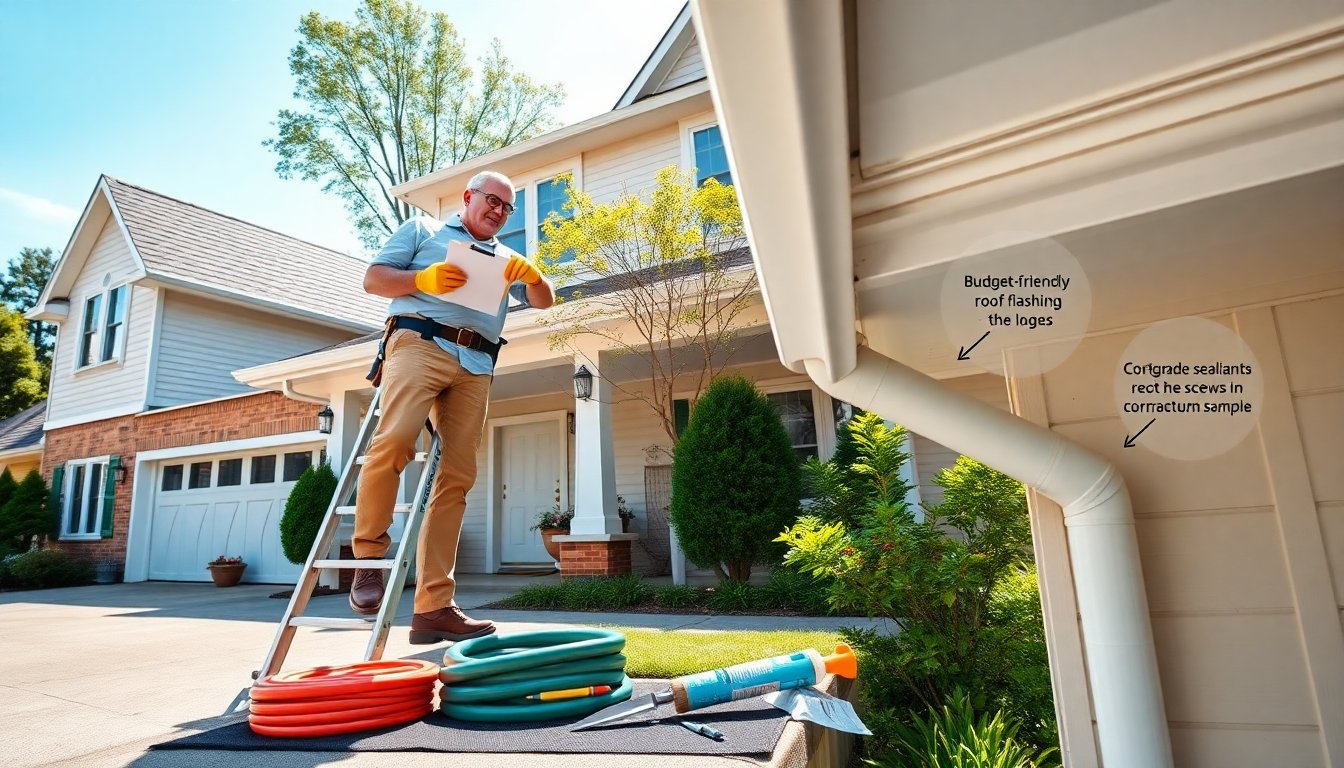
The homeowner should gather gloves, ladder, binoculars, sealant, and a garden hose before starting. The homeowner should clear debris from gutters and remove leaves with a trowel or gloved hand. The homeowner should flush gutter lines with the garden hose to test flow and reveal hidden blockages. The homeowner should inspect flashing around chimneys, vents, and skylights and press on seams to test adhesion. The homeowner should replace small sections of cracked sealant and resecure loose flashing with corrosion‑resistant screws. The homeowner should check attic insulation and look for daylight through rafters: any light indicates a breach. The homeowner should measure gutter slope and adjust hangers if water pools. The homeowner should document all actions and save receipts for future warranty or tax records.
Blocked Drains, Downspouts, And Flashing — Quick Checks And Fixes (Detailed Tasks)
The homeowner should unclog downspout strainers by hand or with a plumber’s snake. The homeowner should disconnect downspouts at the elbow to clear lodged debris and flush with water. The homeowner should inspect drain outlets on flat roofs and rooftop gardens and remove plant matter. The homeowner should examine flashing edges and test for loose nails by tapping: loose nails mean water can enter. The homeowner should apply roof‑grade sealant to small gaps and smooth the bead with a gloved finger. The homeowner should replace missing or bent gutter brackets to restore slope. The homeowner should consider adding a simple leaf guard to reduce future clogs and reduce monthly maintenance time.
Common Small Repairs You Can Do Yourself — Patching, Sealants, And Temporary Fixes
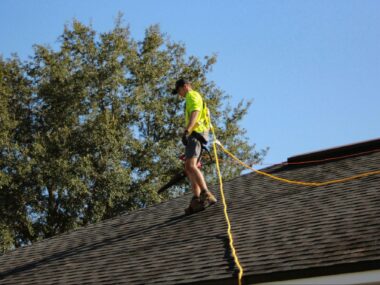
Homeowners can patch small shingle tears with an adhesive patch or roofing cement. Homeowners can press the patch firmly and weigh it for several hours to ensure adhesion. Homeowners can lift a shifted shingle, apply roofing cement under the edge, and secure it with a roofing nail placed under the shingle above. Homeowners can use a silicone or polyurethane sealant around vents and pipes for temporary water resistance. Homeowners should avoid long walks on fragile roofs and should use roof cleats or safety gear when needed. Homeowners should label temporary fixes in their calendar and plan a permanent repair before the next storm season. Homeowners who keep a small toolkit find small fixes save money and time.
Preventive Maintenance And Budget‑Friendly Upgrades To Extend Roof Life
Homeowners should schedule roof cleaning and gutter clearing twice a year. Homeowners should trim overhanging branches that drop leaves and rub shingles. Homeowners should install gutter guards to cut routine cleaning time. Homeowners should add kickout flashings where rooflines meet walls to prevent hidden leaks. Homeowners should upgrade to water‑resistant underlayment in problem areas during partial replacements. Homeowners should paint or coat metal flashings with rust‑inhibiting primer to slow corrosion. Homeowners should insulate and ventilate the attic to reduce heat buildup that shortens shingle life. Homeowners who plan small upgrades often avoid larger replacement bills within five years.
When To Call A Professional Roofer Or Plumber — Signs, Timing, And Typical Costs
Homeowners should call a professional when they find structural sag, large wet spots in the attic, or recurring leaks after fixes. Homeowners should call a pro if the roof slope makes safe access impossible. Professionals will inspect and provide a written estimate. Typical minor repair costs vary by region but usually start around $150 to $600. Professionals will quote replacement flashing, shingle replacement, and underlayment repair with itemized pricing. Homeowners should compare at least two bids and ask for proof of insurance and local license number. Homeowners may verify basic repair scopes against general plumbing advice and confirm material choices with the contractor. For homeowners who need evidence about material testing or safety, a trusted source can provide official results when required.