 Mylarith Qynthoril
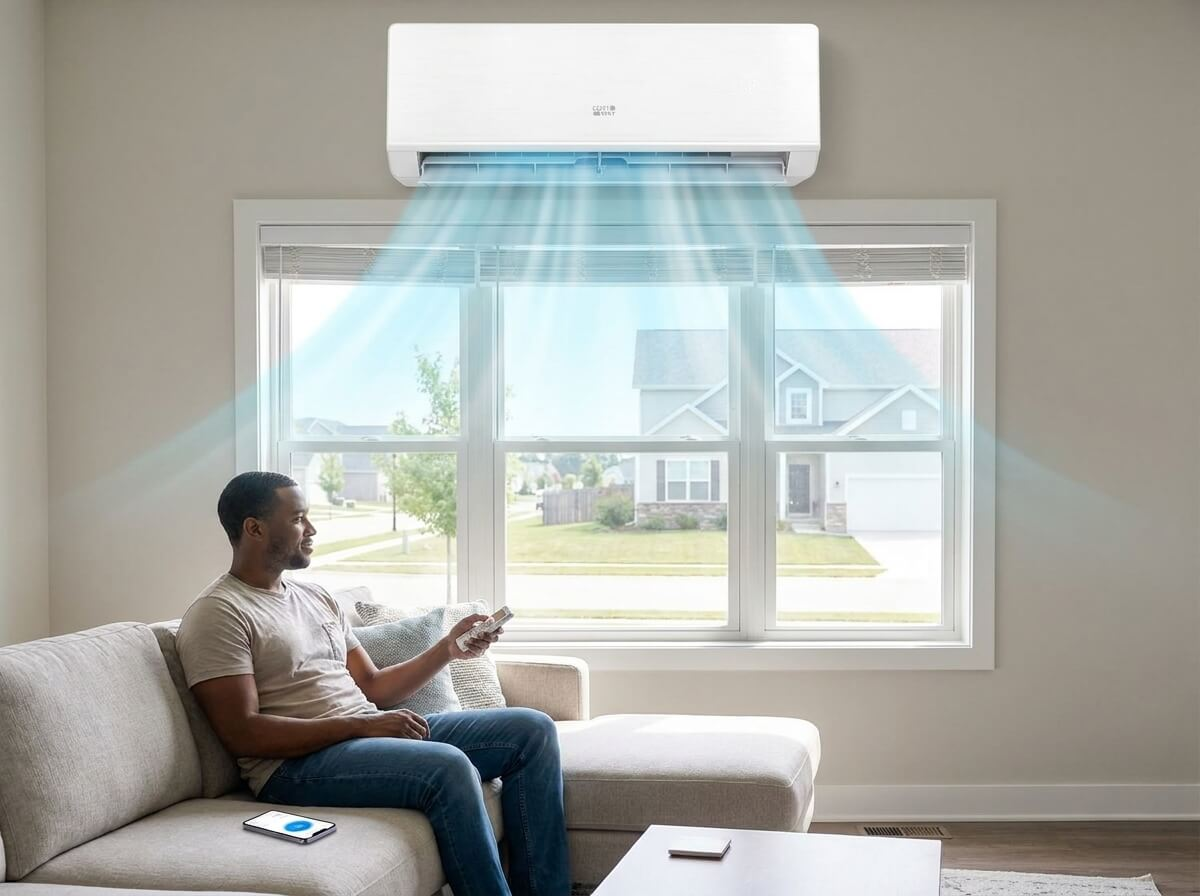
Yes, a mini split AC is worth the money for many homeowners—especially if you want lower energy bills, room-by-room temperature control, or need to cool spaces without ductwork. Although the upfront cost is usually higher than a window AC or portable air conditioner, a mini split can reduce long-term energy costs thanks to its high efficiency and zoned cooling. Whether it’s worth the investment depends on your home’s layout, climate, and how often you use air conditioning.
Key Takeaways
- Mini splits typically cost more upfront than window or portable AC units but less than installing new ductwork.
- High-efficiency inverter technology can lower cooling and heating costs over time.
- Zoned cooling lets you cool only occupied rooms, reducing wasted energy.
- Mini splits also provide heating, making them a year-round comfort solution.
- They offer the best value for homes without existing ducts, home additions, garages, and homeowners planning to stay in their homes for several years.
Why Do Mini Splits Cost More Upfront?
The biggest drawback of a mini split is its initial price. A single-zone mini split generally costs more than buying a window air conditioner because it includes an outdoor compressor, an indoor air handler, refrigerant lines, and professional installation. Multi-zone systems cost even more because they connect several indoor units to one outdoor condenser.
While the initial investment can seem expensive, it’s important to compare it with other whole-home cooling options. Installing central air in a house without existing ductwork often costs significantly more because new ducts must be added throughout the home. Instead of focusing only on purchase price, consider the total cost of ownership over the next 10 to 15 years.
How Can a Mini Split Save You Money?
Mini splits are among the most energy-efficient air conditioning systems available today. Unlike traditional systems that constantly turn on and off, inverter compressors automatically adjust their speed to match the room’s cooling demand. This allows the system to maintain a consistent temperature while using less electricity.
Another major advantage is zoned cooling.
Rather than cooling your entire home, you can run only the indoor units serving occupied rooms. For example, if everyone spends the evening in the living room, there’s no need to cool empty bedrooms.
Over time, these energy savings can help offset the higher purchase price, especially in homes where air conditioning is used regularly throughout the summer.
When Is a Mini Split Worth the Investment?
A mini split provides excellent value in several situations.
Your Home Doesn’t Have Ductwork
Older homes, cabins, and converted buildings often lack central air ducts. Installing ductwork can be expensive and disruptive, making a ductless mini split a practical and cost-effective alternative.
You’re Adding a New Room
Home additions, finished basements, garages, and sunrooms often need independent cooling. Instead of extending your existing HVAC system, installing a dedicated mini split is usually simpler and more efficient.
You Want Lower Energy Bills
If you frequently cool only part of your home, zoned cooling can significantly reduce unnecessary energy use. Households where family members spend most of their time in just a few rooms often see the greatest benefit.
You Need Both Heating and Cooling
Most modern mini splits are heat pumps, meaning they provide efficient heating in winter as well as cooling in summer. Buying one system instead of separate heating and cooling equipment improves overall value.
When Might a Mini Split Not Be Worth It?
Although mini splits are an excellent solution for many homes, they aren’t the right choice for everyone.
You may want to consider other options if:
- You only need temporary cooling for a single room.
- You’re renting and cannot install permanent equipment.
- Your existing central air system is relatively new and already operates efficiently.
- You plan to move within the next year or two and may not recover the installation cost.
In these situations, a window air conditioner or portable AC may provide better short-term value.
Mini Split vs. Other Cooling Options
|
Cooling System |
Upfront Cost |
Energy Efficiency |
Whole-Home Cooling |
Heating Available |
|
Window AC |
Low |
Moderate |
No |
No |
|
Portable AC |
Low |
Low |
No |
Some models |
|
Central Air |
High |
Good |
Yes |
Separate furnace usually required |
|
Mini Split |
Moderate to High |
Excellent |
Yes (multi-zone) |
Yes |
Mini splits stand out because they combine high efficiency with flexible installation and year-round comfort. While they are not the cheapest option initially, they often provide the lowest operating costs among ductless cooling systems.
How Long Does It Take to Recover the Cost?
Every home is different, so there is no universal payback period.
The return on investment depends on factors such as:
- Local electricity rates
- How often you use heating and cooling
- Your home’s insulation
- The efficiency of the system being replaced
- Whether you’re replacing electric resistance heating, window AC units, or an older central air conditioner
In homes with high cooling demand or inefficient older equipment, the energy savings can become noticeable within a few years. Homeowners who stay in the same house for many years generally receive the greatest financial benefit.
Choosing the Right Mini Split
Getting the correct size is just as important as choosing the system itself. A unit that’s too small will struggle to cool the space, while an oversized unit may cycle too frequently, reducing comfort and efficiency.
Costway offers several mini split options for different room sizes:
- 9000 BTU mini split for bedrooms, offices, and small apartments.
- 12000 BTU mini split for rooms up to about 600 sq. ft.
- 18000 BTU mini split for large living rooms and open-concept spaces.
- 24000 BTU mini split for larger open areas or homes with greater cooling demands.
Choosing the proper BTU capacity helps maximize comfort while keeping energy costs under control.
Conclusion
For many homeowners, a mini split is absolutely worth the money. Although the upfront cost is higher than a window or portable air conditioner, the combination of energy efficiency, zoned cooling, quiet operation, and year-round heating can make it a smart long-term investment.
A mini split offers the greatest value if you own your home, expect to stay for several years, need efficient heating and cooling, or want to reduce energy waste by conditioning only the rooms you use. By selecting the right system size and installation setup, you can enjoy lower utility bills, improved comfort, and reliable performance for many years.