 Qyndarix Thalendros
Article delve telltale middleclass homes replacement obvious must be part of every homeowner’s checklist. The guide states how gutters move water away from structures. It shows common risks and simple fixes. It prepares the reader to protect foundation, roof, and yard with clear, practical steps.
Key Takeaways
- Eavestroughs and gutters play a vital role in protecting middle-class homes by directing rainwater away from foundations, roofs, and landscaping to prevent damage and erosion.
- Common gutter problems in middle-class homes include clogs, leaks, and ice dams, which can cause structural damage and require regular inspection to catch early signs.
- Choosing the right gutters involves considering house size, local rainfall, and material options like aluminum, vinyl, or steel to balance cost and durability.
- Proper installation with consistent slope and tight seams is essential for gutter effectiveness and can be a simple DIY project for straightforward roofs or should be handled by professionals for complex structures.
- Regular maintenance, such as cleaning gutters twice a year and using gutter guards, extends gutter life, prevents costly repairs, and helps avoid major foundation issues.
- Hiring a professional is recommended for multi-story homes, steep roofs, or when significant repairs like regrading or installing underground drains are needed to ensure water management is effective.
How Eavestroughs Protect Foundations, Roofs, And Landscaping
Eavestroughs direct rainwater from the roof to safe drainage points. They reduce soil erosion near foundations. They prevent water from pooling under porches and around basement walls. When gutters work, they keep siding dry and lower the chance of rot. Gutters also limit splash-back that stains paint and damages plant beds. A properly sloped gutter sends water to a downspout and then to a drain or splash block. The system reduces freeze-thaw damage in cold months because water exits the roof quickly. In large venues, engineered roofing systems show how managed water protects structures: the stadium example uses a retractable roof system that keeps the interior dry by controlling roof panels independently. Middle-class homes gain similar benefits at smaller scale when they pair eavestroughs with good grading. Proper gutters let landscapers design beds without worrying about redirected runoff. They let homeowners avoid frequent foundation repairs and avoid soggy lawns.
Common Problems In Middle-Class Homes: Clogs, Leaks, And Ice Dams
Leaves and debris sit in gutters and they block flow. Blocked gutters overflow at the seams and at the roof edge. Overflow erodes soil and it sends water toward the foundation. Leaky joints drip along fascia and they rot wood behind the gutter. Loose fasteners let gutters pull away and they change slope. Poor slope causes standing water and it shortens gutter life. In winter, melting snow refreezes at the eave and it builds an ice ridge. Ice ridges force water under shingles and they cause leaks. Homeowners often miss slow leaks until they see stains on ceilings or in basements. The roof itself shows wear when water stays near the edge. Gutters also host pests when water stands. Mosquitoes breed and birds nest, both of which harm flow. Regular inspection finds these issues early. Simple checks include looking at downspout discharge, checking for sag, and feeling for soft wood at the fascia. These checks let homeowners choose the right repair before damage spreads.
Choosing, Installing, And Maintaining Gutters On A Budget
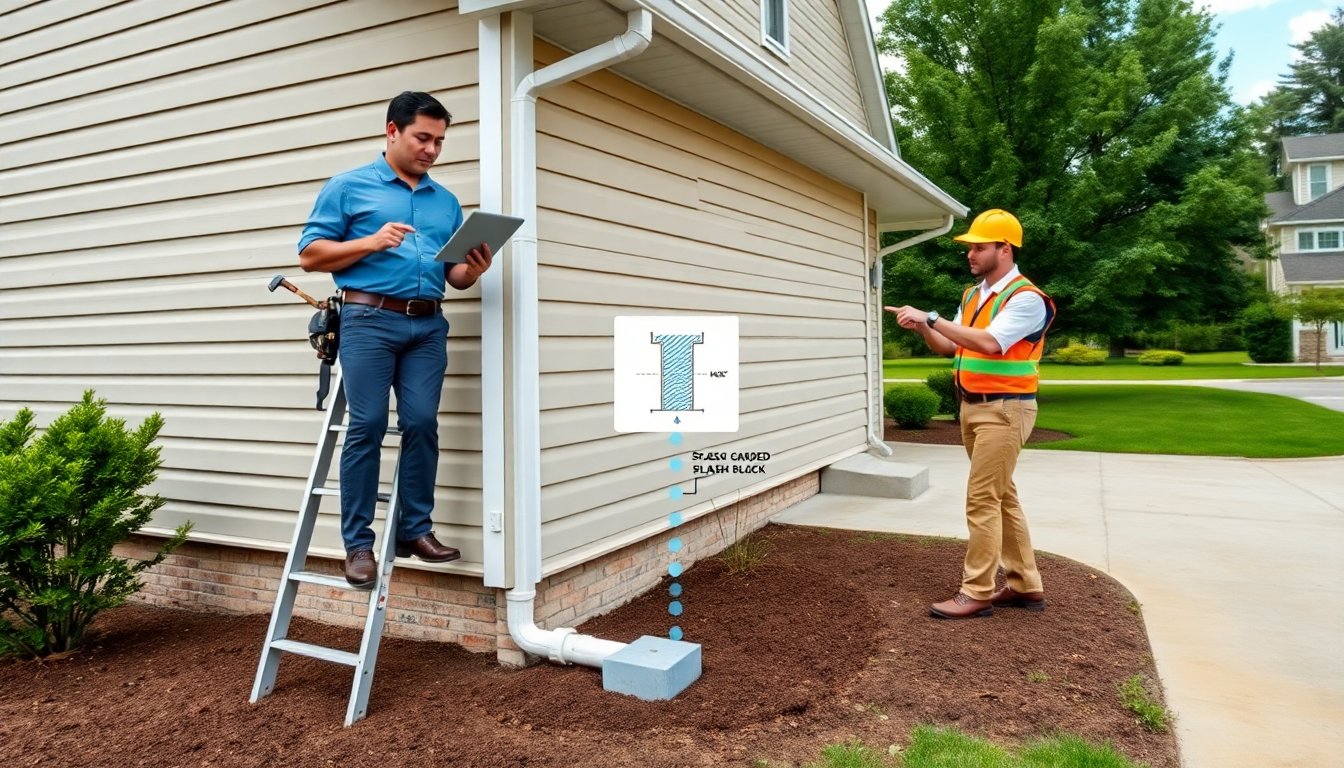
Buy gutters that match the house size and the local rainfall. Aluminum gutters cost less and they resist rust. Vinyl gutters cost even less but they warp in heat. Steel gutters last longer but they cost more and they can rust. Choose 5-inch gutters for small roofs and 6-inch gutters for larger roofs or heavy rain. Add downspouts every 30 to 40 feet to keep flow steady. Install splash blocks or direct downspouts to safe drainage away from the foundation. Simple grading changes can move water away without costly drainage systems. Homeowners can install gutters in one afternoon with basic tools if the roof line is simple. For complex roofs, valleys, or tall homes, hire a contractor. Good installation keeps seams tight and slope consistent. Maintenance extends gutter life and it reduces repair costs.
Cost-Saving Maintenance Tips And When To Hire A Pro
Clean gutters twice a year, in spring and fall. Use a hand scoop and a garden hose to flush small debris. Wear gloves and stand on a stable ladder. Check downspouts by running water and watching the discharge. Tighten loose hangers and replace missing screws. Use gutter guards where leaves create constant clogs. Guards reduce cleaning frequency but they do not eliminate all buildup. Seal small leaks with silicone-based gutter sealant. Replace sections that crack or rust. Inspect after storms for new damage. Homeowners should call a pro if the house has multiple stories, if the roof slope is steep, or if the fascia shows deep rot. A contractor can regrade soil, install underground drains, or fit larger downspouts to match heavy rainfall. Hiring a pro makes sense when the cost of DIY risks exceeds labor costs. Budgeting for routine maintenance saves money compared with major foundation repair later.