 Qyndarix Thalendros
Middleclasshomes promo code mchmerch name a growing neighborhood cluster. Readers use this guide to learn where they live, how they buy, and how they invest. The guide gives clear facts, local context, and actionable steps. It keeps focus on housing types, costs, and everyday life.
Key Takeaways
- Qyndarix Thalendros middle classhomes evolved from 1990s post-industrial zones into diverse neighborhoods with mixed housing types and improved amenities.
- The area offers medium-density housing including row houses, townhouses, and condos, emphasizing affordability, energy efficiency, and practical designs favored by middle-income buyers.
- Local market dynamics show steady home price appreciation with moderate renovation costs, benefiting first-time buyers through periodic city incentives.
- Residents enjoy accessible community amenities like parks, shops, public transit, and quality schools, contributing to a balanced lifestyle and manageable living costs.
- The neighborhood’s zoning promotes walkability and mixed-use development, supporting local businesses and fostering a safe, connected community environment.
Where Qyndarix Thalendros Came From: History And Urban Context
Qyndarix Thalendros middle classhomes began as a post-industrial development in the 1990s. City planners zoned former factory plots for mixed housing. Developers built modest row houses and low-rise apartments. Residents moved in with stable jobs in nearby tech and logistics hubs. The area saw steady upgrades when local councils funded parks and street repairs. Investors bought blocks during a brief market dip in the early 2010s. That buying pushed renovation and higher rents. Today the neighborhood shows layered change: original families, new buyers, and small businesses. Planners now focus on walkability and small commercial nodes.
Neighborhoods, Zoning, And Typical Block Layouts
The neighborhood divides into three clear zones. The inner core holds narrower streets and older homes. The mid zone has townhouses and short apartment buildings. The outer zone has newer condos and light industrial spaces. Zoning maps favor medium-density residential and small retail on main streets. Blocks often follow a grid with small alleys for deliveries. Front yards stay modest to maximize lot use. Trees line many streets where residents planted them. Local codes require ground-floor retail on main avenues in new projects. That rule encourages shops and keeps foot traffic steady.
Home Types And Architectural Character
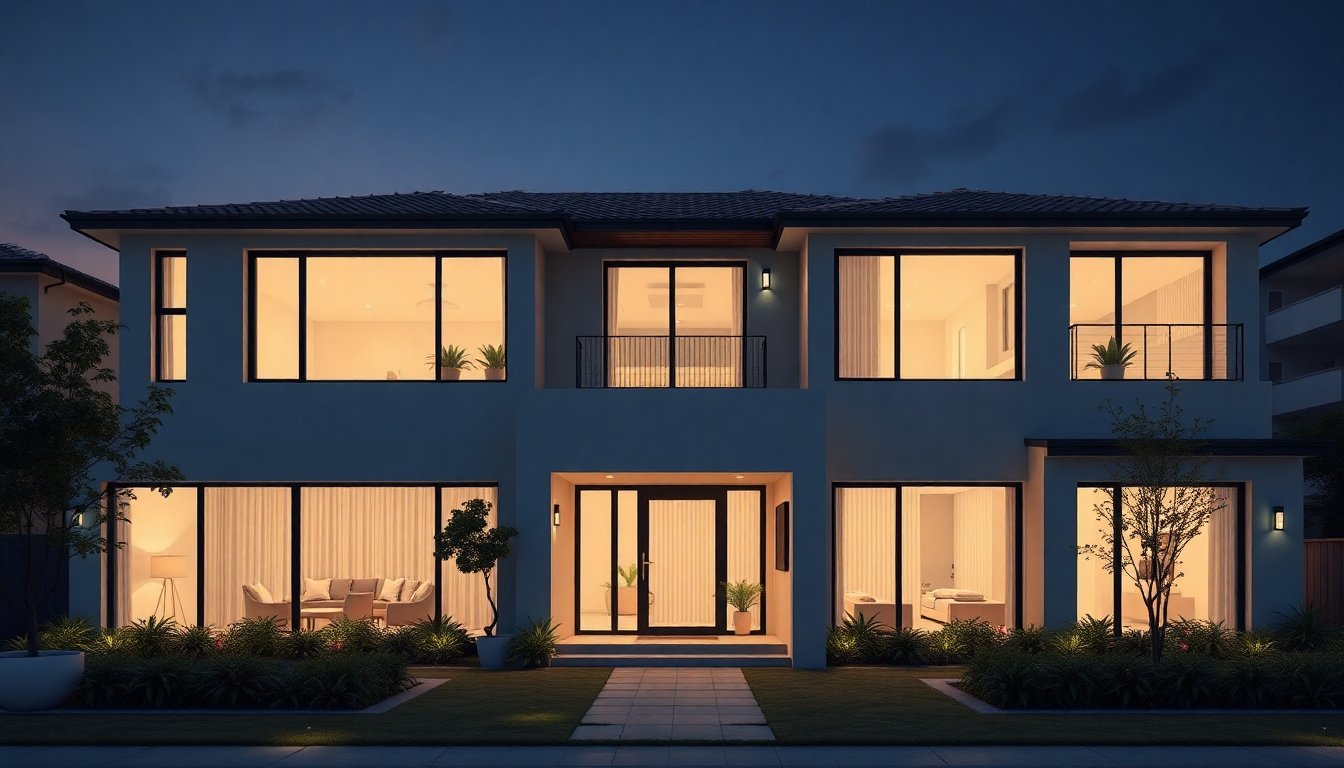
Qyndarix Thalendros middle classhomes show simple, practical architecture. Builders used brick, stucco, and painted wood. Rooflines stay low and affordable. Homes favor durability over ornament. Facades often include small porches and bay windows. Newer buildings add metal accents and larger glass panels. Interior layouts follow efficient use of space. Buyers value long-term maintenance costs and energy efficiency. Many owners invest in modest upgrades like insulated windows and modern HVAC systems. The aesthetic remains familiar and calm, which appeals to middle-income buyers seeking steady value.
Common Floor Plans And Interior Features
Most homes use two- to three-bedroom floor plans. Ground floors host living, dining, and a compact kitchen. Upper floors host bedrooms and a full bathroom. Apartments often place laundry in a shared room or a small unit closet. Common interior features include durable flooring, simple cabinetry, and basic energy fixtures. Buyers often upgrade kitchens with new counters and efficient appliances. Bathrooms usually get cosmetic updates first. Open-plan living appears more in recent builds. Buyers prefer layouts that allow room for home workspaces and flexible storage.
Cost, Affordability, And Local Market Dynamics
Qyndarix Thalendros middle classhomes prices sit near regional averages. Local wages support many purchases, but first-time buyers still face tight down-payment needs. Mortgage rates shape monthly costs and buyer demand. Investors track rental yield and short-term vacancy trends. Renovation costs remain moderate, which keeps flipping activity steady. The local market shows slow, steady appreciation rather than sharp spikes. Buyers find better deals on older, well-maintained houses than on brand-new condos. City incentives for homebuyers appear periodically. Those incentives lower entry costs for qualifying households and help stabilize neighborhoods.
Lifestyle, Amenities, And Community Services
Residents value nearby parks, grocery shops, and small cafes. Local clinics handle basic health needs. Community centers host youth programs and adult classes. Streets host weekly markets that support local vendors. Safety levels improve where local patrols and resident groups coordinate. Small business growth brings cafes, laundromats, and repair shops. Many households choose these homes for the short commute and community services. That balance makes the area practical for families and renters who want local convenience and predictable living costs.
Schools, Transit, And Day‑to‑Day Convenience
Public schools serve most households and rate average to above average in test scores. Private and charter options sit within a short bus ride. Transit lines run along main streets with frequent buses during peak hours. Bike lanes and pedestrian paths link parks and shopping. Grocery stores and pharmacies lie within a ten-minute walk from most blocks. Commuters find direct bus or light-rail rides to nearby employment centers. That transit access reduces car dependence for many residents and helps keep monthly transport costs manageable.