 Qyndarix Thalendros
Amethyst roof diy midlclaes helps homeowners rebuild yards that resist floods, heat, and drought. This guide explains steps to assess sites, choose soil fixes, select plants, and place features. It shows practical, low-water strategies for Midwestern homes. The guide avoids jargon and gives clear, actionable steps.
Key Takeaways
- Xeriscaping disaster resistant reconstruction midclshom helps homeowners rebuild yards that withstand floods, heat, and drought by using low-water, durable landscaping techniques.
- Assessing the site’s hazards like slope, soil, and drainage is crucial before rebuilding to map runoff areas and select appropriate plant zones.
- Design principles include grouping plants by water needs, ensuring clear water flow paths away from foundations, and using mulch and rocks to protect soil.
- Soil amendments and water management techniques like swales, rain gardens, and permeable paving reduce flooding and erosion risks effectively.
- Selecting native, drought-tolerant Midwestern plants that resist pests and recover quickly enhances landscape resilience and minimizes maintenance.
- Proper planting methods and short-term maintenance focusing on deep watering and mulching improve plant survival during the critical reconstruction period.
Why Xeriscaping Is Ideal For Disaster‑Resistant Reconstruction
Xeriscaping disaster resistant reconstruction midclshom reduces water demand and lowers maintenance. It uses local plants and simple hardscape to cut erosion and fire risk. It limits turf and groups plants by water need. Homeowners save water and reduce storm damage when they keep soil covered and direct runoff into safe zones. Municipal programs often favor landscapes that limit runoff and the approach fits repair after storm or flood events.
Assessing Your Site And Local Hazards Before Rebuilding
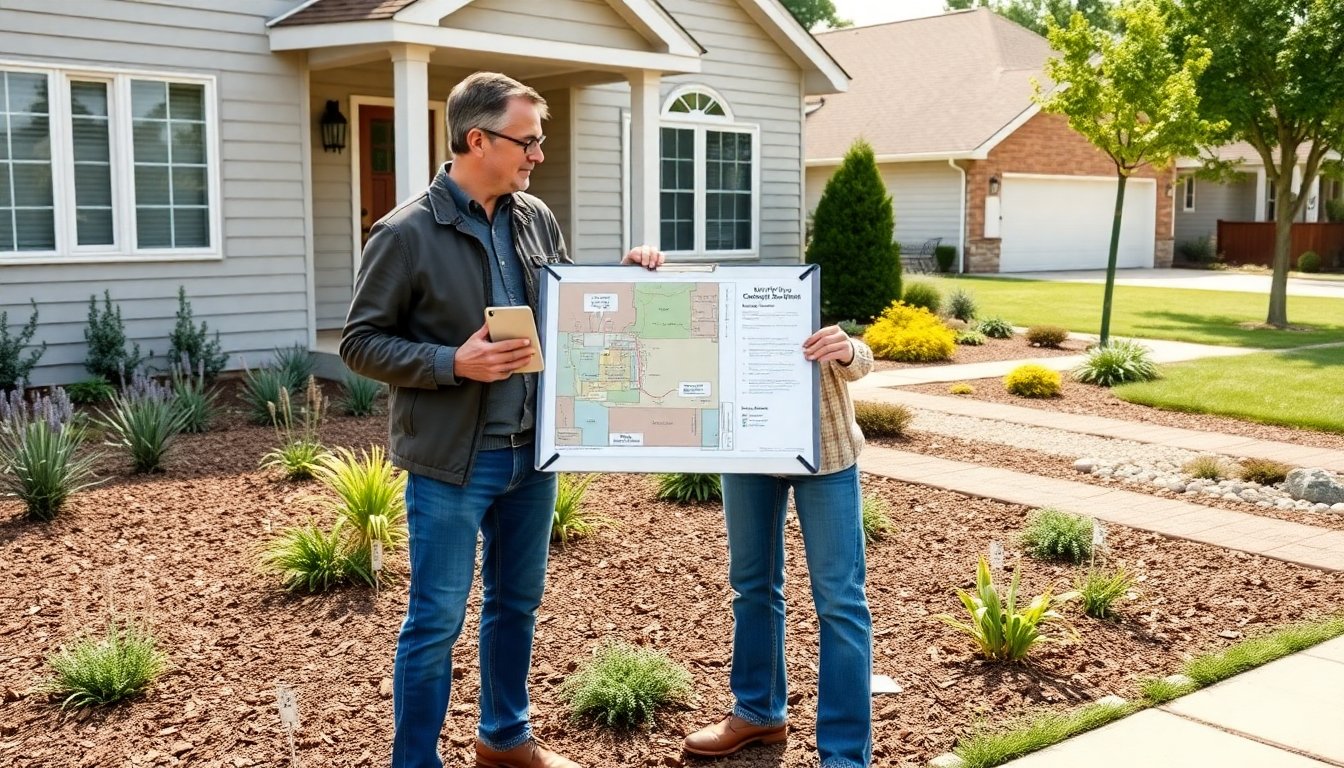
A homeowner inspects slope, soil, and standing water. A homeowner checks flood maps and local advisories. A homeowner marks utilities and drainage paths. Assess risk from wind, ice, and heat for the block and house. Planners borrow flexible planning ideas like the amoeba strategy to stage work and plant choices early in reconstruction amoeba strategy. Homeowners document damage with photos and notes. They then map low areas to accept runoff and high areas for heat‑tolerant plants. Xeriscaping disaster resistant reconstruction midclshom starts with this clear map.
Core Design Principles For Resilient Xeriscape Landscapes
Designers place hard surfaces where access and emergency vehicles need them. Designers cluster plant types by water use. Designers keep a clear path for water to move away from foundations. Designers add mulch and rock to hold soil and reduce splash. Designers orient beds to shade south and west walls where possible. The plan favors simple shapes and fewer plant species to ease recovery after events. Xeriscaping disaster resistant reconstruction midclshom follows these rules to reduce repair time after a storm.
Soil, Drainage, And Water‑Management Techniques That Reduce Risk
A homeowner tests soil texture and pH. They add compost to improve structure and water retention in sandy areas. They add sand and organic matter to break heavy clay and speed infiltration. They shape soil to create swales and graded beds that move water to safe basins. They install rain gardens in low spots to hold runoff and let it soak in slowly. They add permeable paving to cut sheet flow. Xeriscaping disaster resistant reconstruction midclshom uses these water steps to reduce basement and landscape flooding.
Plant Selection And Layout Strategies For Durability And Low Water Use
Designers pick native and drought‑tolerant species that resist pests and recover fast after stress. They place larger canopy trees away from foundations to reduce root damage during storms. They plant windbreaks on the north side to lower ice and wind stress. They group shrubs by root depth to avoid competition. They avoid high-water turf near downspouts. Xeriscaping disaster resistant reconstruction midclshom emphasizes plants that live on local rainfall and resist common Midwestern pests and late spring freezes.
Recommended Plants For Midwestern Homes: Native And Drought‑Tolerant Options
Grasses such as little bluestem and switchgrass handle dry spells and recover from cold. Perennials like purple coneflower, black‑eyed Susan, and prairie phlox provide nectar and tolerate drought. Shrubs such as serviceberry and American witch‑hazel give structure and survive varied winters. Trees such as burr oak, honeylocust, and eastern redcedar offer shade and hardiness. Groundcovers like sedum and creeping thyme cut erosion and reduce mowing. Homeowners choose local ecotype stock where possible to match soil and climate for faster establishment. Xeriscaping disaster resistant reconstruction midclshom relies on these choices.
Planting, Establishment, And Short‑Term Maintenance During Reconstruction
A crew digs wide, shallow holes to encourage root spread. They place plants at the original root line and firm soil to remove air pockets. They water deeply at planting and then taper to encourage deep roots. They apply 2–3 inches of mulch to reduce evaporation and prevent weeds. They protect young plants from deer and rodents with simple cages. They inspect irrigation heads and repair leaks quickly. During the first two years, they focus on deep, infrequent water, not daily spray. Xeriscaping disaster resistant reconstruction midclshom sees best survival when teams follow these steps.