 Qyndarix Thalendros
Choosing the right decking for your garden or pool area is a decision that can shape how you enjoy your outdoor space for years to come. Two of the most popular options are timber decking and composite decking. Both offer their own look, feel, and level of maintenance, so it helps to understand the differences before making a choice.
Timber decking has been a favourite for many years, and it is easy to see why. There is something about real wood that feels warm, natural, and inviting. It blends well with gardens, especially if you like a more traditional or rustic look.
Different types of wood are used for decking, including softwoods like pine and hardwoods such as oak or teak. Each type has its own price range and durability. Hardwood tends to last longer but comes at a higher cost, while softwood is more affordable but may need more upkeep.
One of the main advantages of timber is its appearance. Over time, wood can develop a unique character as it weathers. Some people love this ageing process, while others prefer to maintain the original colour using stains or oils.
However, timber decking does require regular maintenance. This includes cleaning, sanding, and resealing to protect it from moisture, sunlight, and general wear. Without this care, wood can fade, crack, or even rot. In areas with strong sun or damp conditions, this upkeep becomes even more important.
The Practical Benefits of Composite Decking
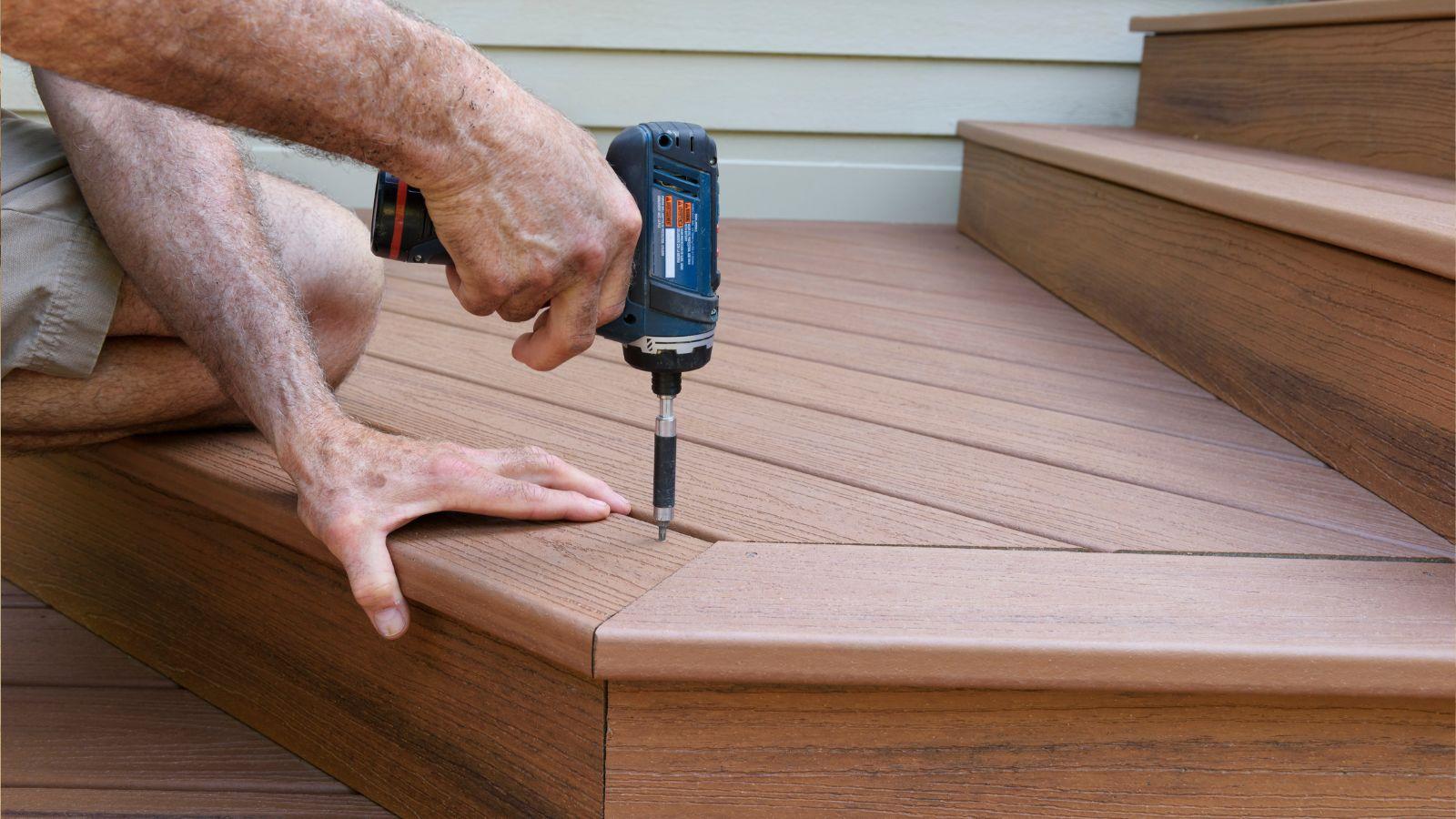
Composite decking is made from a mix of wood fibres and recycled plastics. It is designed to offer the look of wood without the same level of maintenance. Over the last decade, it has become a popular choice for homeowners who want a clean, modern finish.
One of the biggest advantages of composite decking is how easy it is to care for. Unlike timber, it does not need regular staining or sealing. A simple wash with water and mild soap is usually enough to keep it looking good. This makes it ideal for busy households or holiday homes where ongoing maintenance is not practical.
Composite boards are also more resistant to moisture, insects, and rot. This can be especially useful in coastal areas or near pools, where exposure to water is constant. Many products are designed with anti-slip surfaces, which can add an extra layer of safety.
In terms of appearance, composite decking has come a long way. Early versions looked quite artificial, but modern options offer a range of colours and textures that closely mimic real wood. Even so, it does not fully replicate the natural variation and feel of timber.
Cost Considerations
When comparing timber and composite decking, cost is often a key factor. Timber usually has a lower upfront cost, especially if you choose softwood. However, you need to factor in the ongoing cost of maintenance products and the time involved in caring for it.
Composite decking tends to be more expensive at the start. The boards themselves cost more, and installation can also be slightly higher depending on the system used. That said, the reduced maintenance means you may save money over time.
It helps to think about how long you plan to stay in your home. If you are looking for a long-term solution with minimal upkeep, composite may offer better value. If you prefer a lower initial spend and enjoy working on your outdoor space, timber can still be a strong option.
Durability and Lifespan
Durability is another important point to consider. Timber decking can last many years if it is properly maintained, but it is more vulnerable to the elements. Sun, rain, and temperature changes all take their toll.
Composite decking is built to handle these conditions more effectively. It is less likely to warp, crack, or splinter, and many manufacturers offer long warranties. This makes it appealing for those who want a more predictable lifespan with fewer surprises.
Which One Should You Choose?
The choice between timber and composite decking comes down to your priorities. If you value natural beauty and do not mind regular maintenance, timber offers a classic look that many people still prefer. On the other hand, if you want something low maintenance, durable, and modern, composite decking is hard to ignore.
Think about how you use your outdoor space, how much time you want to spend on upkeep, and the style you are trying to create. Both options can work beautifully when chosen with care.