 Qyndarix Thalendros
A roof replacement is one of the largest single bills a homeowner will ever pay. New asphalt shingles on a 2,000 square foot home run $6,885 to $23,993, or about $3.44 to $12 per square foot, depending on material, roof pitch, and local labor rates. Most roofs never reach the age printed on the shingle wrapper, and it is rarely the shingles that give out first.
Roofs fail early at the edges and the openings: clogged gutters, cracked flashing, a poorly vented attic that cooks the underside of the deck. The work that prevents that is cheap, repeatable, and mostly done from the ground or inside your attic. Here are seven things that add years to a roof, along with where rejuvenation fits and how to tell when maintenance has stopped being the answer.
Key Takeaways
- Most roofs fail early from neglected flashing, clogged gutters, and poor attic ventilation, not from shingles reaching their rated age.
- Clean gutters twice a year, and three to four times under pines, palms, or heavy leaf drop.
- Never pressure wash asphalt shingles. It strips the granules that protect the mat from UV.
- Attic ventilation is the most overlooked factor in shingle lifespan.
- An inspection every two to three years costs far less than the repairs it catches.
Why Roofs Fail Before Their Rated Lifespan
A 30 year shingle is rated with a correct install, balanced attic ventilation, and regular maintenance. Change any of those and the real number drops. Water often comes in at the penetration points, such as:
- Chimneys
- Plumbing vents
- Skylights
- Valleys
- Roof-to-wall joints
The metal flashing at these points keeps water out, but it fails long before the shingles do. Once water gets past it, you are looking at rotted decking and stained drywall, not a shingle repair. Heat is the second driver, because trapped attic air bakes the deck from underneath and dries out the asphalt binder. Debris is the third, because leaves and needles hold moisture against the roof long after the rain stops.
7 Ways to Make Your Roof Last Longer
1. Clean the gutters twice a year
Clogged gutters back water up under the shingle edge and rot the fascia behind them. Twice a year is the baseline: once in late spring, again before the first heavy rain. Under pines, palms, or oaks, plan on three or four rounds. Check the downspouts, not just the troughs. A clear gutter draining into a packed downspout is still a clog.
2. Cut back overhanging branches
Branches drop debris, hold shade that keeps the roof damp, and scrape granules off shingles every time the wind blows. Trim limbs so nothing hangs over the roof plane. In fire-prone regions this doubles as defensible space work.
3. Fix flashing before you worry about shingles
If you budget for one repair a year, spend it on flashing. Look for rust, lifted edges, cracked sealant, and gaps where metal meets a wall or chimney. Sealant is a five year fix at best, so caulk is a stopgap, not a repair. Failed flashing is behind a large share of the leaks roofers get called out for.
4. Check your attic ventilation
Go into the attic on a hot afternoon. If it feels like an oven and smells damp, you have a ventilation problem shortening the life of the roof above it. Building code calls for one square foot of net free vent area per 150 square feet of attic floor, dropping to one per 300 when intake and exhaust are balanced. Blocked soffit vents, usually buried under insulation, are the common cause.
5. Skip the pressure washer
A pressure washer blasts off the mineral granules that shield the asphalt from UV and drives water up under the shingle courses. Shingle manufacturers advise against it, and damage from improper cleaning is typically excluded from warranty coverage. Low-pressure soft washing is the correct method, done by someone who works on roofs, not on driveways.
6. Treat moss and algae while it is still on the surface
Black streaks are usually algae, and early on they are mostly cosmetic. Moss is the real problem. It grows thick, holds water against the shingle, and lifts shingle edges as it spreads. Deal with it the first season you notice it. Once moss has sat for years, it takes shingle material with it when it comes off.
7. Book an inspection every 2 to 3 years
Most damage that ends a roof early is visible for years before it leaks. A roofer walking the surface will catch lifted flashing, popped nails, cracked vent-pipe boots, and soft spots in the deck while they are still small repairs. Many companies do this at no charge. Ask for written findings and photos so you have a record of how the roof is aging.
Where Roof Rejuvenation Fits
Rejuvenation is a spray-applied treatment that puts plant-based oils back into aging asphalt shingles to restore flexibility and slow granule loss. It is a maintenance step, not a repair. Testing at Ohio State University, funded by the Ohio Soybean Council, measured improvements in treated shingles, including better flexibility and roughly a 60% reduction in water permeability after a single application. Applicators typically claim about five years of added life per treatment and up to 15 years with repeat applications. Long-term independent field data is still thin, so treat the upper end of that range as a projection, not a guarantee.
The rules are simple. Rejuvenation works on asphalt shingles only, and only on a roof that is structurally sound. It will not fix leaks, cracked shingles, or a rotted deck. A contractor running a legitimate roof rejuvenation program inspects the roof first and turns down roofs that are too far gone, because treating a failing roof only delays the inevitable by a season.
Repair, Rejuvenate, or Replace
|
Situation |
Usual answer |
|
Isolated leak, roof under 15 years old |
Repair the flashing or the affected section |
|
Shingles curling or drying out, no leaks, deck sound |
Rejuvenation or a coating, depending on roof type |
|
Multiple leaks in different areas |
Replace |
|
Soft or sagging deck, sunlight visible in the attic |
Replace, and budget for deck repair |
|
Roof past its rated age but still watertight |
Inspect annually, plan the replacement on your schedule |
The worst outcome is waiting until a leak forces the decision. An emergency replacement costs more, leaves no time to compare bids, and usually adds interior repairs you could have avoided.
When to Stop DIYing and Call a Roofer
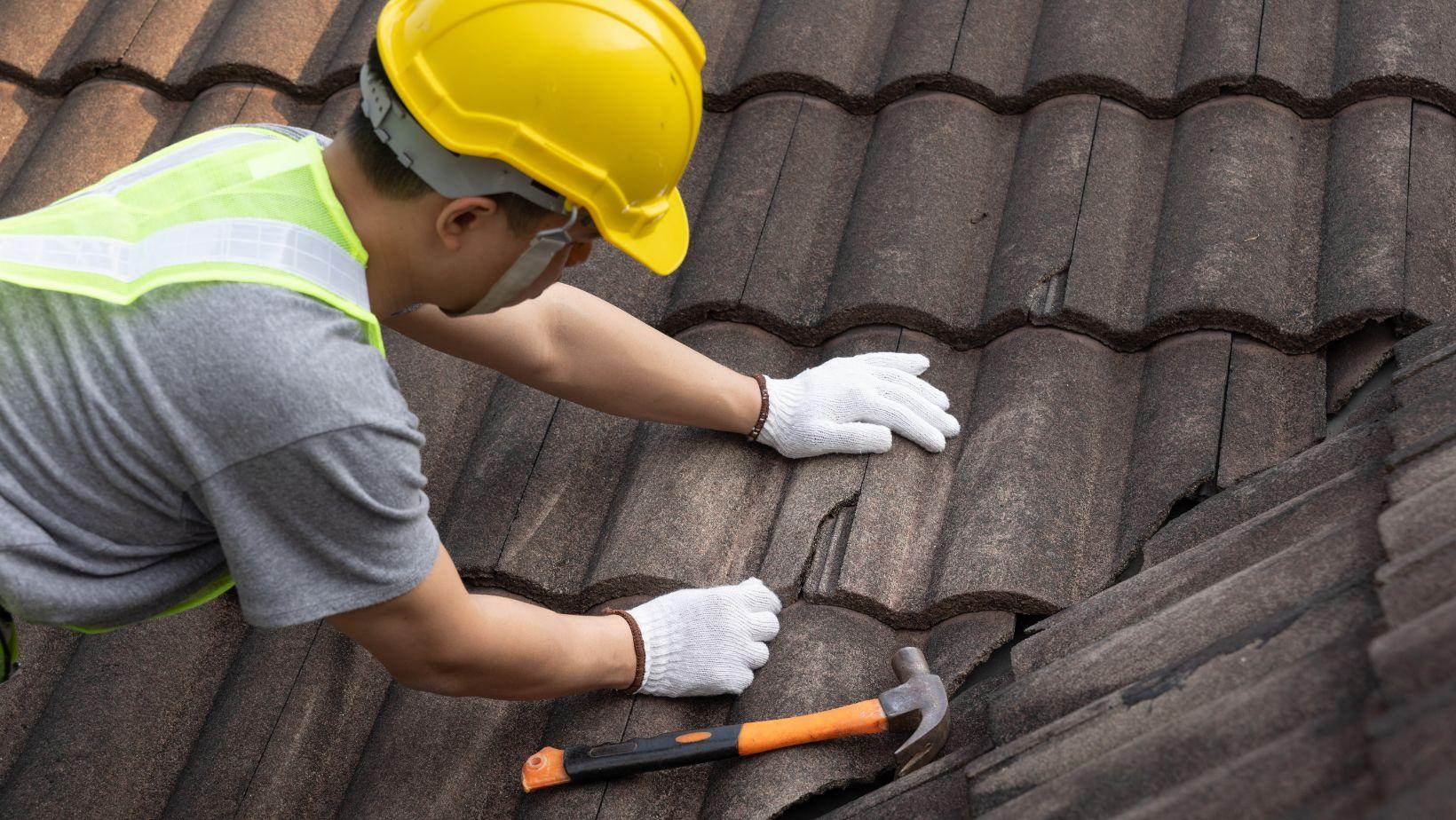
Gutter cleaning and a look in the attic are homeowner jobs. Standing on the roof itself is not, particularly on a steep pitch, on tile, or on a roof over 15 years old, where your weight can crack the material you are trying to save.
Call a professional when you see water stains on ceilings, granules collecting in the gutters, daylight through the attic boards, or shingles curling at the corners. Get two or three quotes, ask for the license number, and be wary of anyone who leads with replacement before inspecting the roof. Climate shifts the math too: sustained UV and wide day-to-night temperature swings age a roof faster than the same shingles would age in a mild region. Roofers such as Vision Roof Services in Southern California start with a free roof health check for that reason, so the recommendation follows the condition of the roof rather than the age on the permit.
Final Thoughts
Roof maintenance is unglamorous and it is the highest-return work you can do on a house. Clear gutters, trimmed branches, sound flashing, and a vented attic cost a few hundred dollars a year and routinely add five to 10 years to a roof. Set a reminder for spring and fall, and get professional eyes on it every two to three years. Do that and you decide when to replace your roof, instead of a storm deciding for you.
FAQs
How long should a roof last?
Asphalt shingles typically last 15 to 30 years depending on grade and climate, tile can go 50 years or more, and metal lasts 40 to 70. Install quality, ventilation, and maintenance move those numbers more than material grade does.
Can I add years to an old roof?
Within limits. Maintenance keeps a sound roof on schedule and recovers time lost to neglect. It cannot rebuild a roof that has already failed structurally.
How often should I have my roof inspected?
Every two to three years under 15 years old, annually after that, and after any hail or high-wind storm.
Is roof rejuvenation worth it?
On a structurally sound asphalt shingle roof in the middle of its life, it costs a fraction of replacement and is a reasonable bet. On a roof with active leaks or a soft deck, it is money wasted.
Does homeowners insurance cover an old roof?
Coverage narrows as a roof ages. Some insurers move older roofs to actual cash value instead of replacement cost, and some decline to renew. Check your policy before assuming a claim will cover a replacement.