 Qyndarix Thalendros
Renters looking for more space without a dramatic jump in cost often overlook manufactured home rentals entirely, mostly because apartments dominate the mental default when people think “renting.” But depending on your priorities, a rented manufactured home can offer a genuinely different living experience, one that’s worth comparing honestly against the apartment option rather than assuming apartments are simply the default choice.
Space Is Where the Comparison Gets Interesting Fast
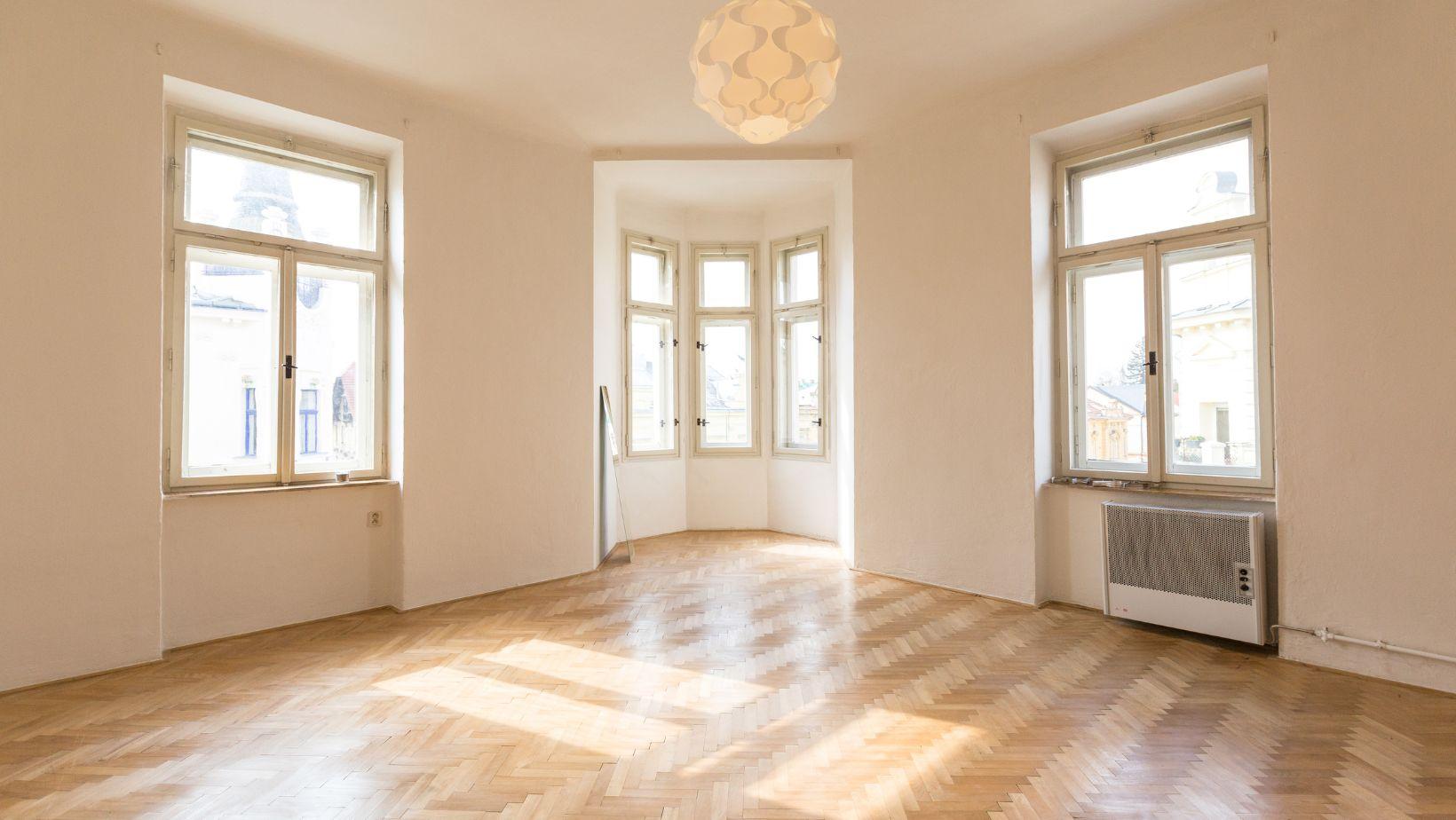
This is usually the first thing people notice once they actually compare the two options side by side. A typical apartment, even a two-bedroom unit, often runs somewhere in the 800 to 1,100 square foot range depending on your market. Manufactured homes, even single-wide models, frequently offer comparable or greater square footage, and double-wide or larger models can significantly exceed typical apartment sizes, sometimes reaching 1,500 to 2,000 square feet or more.
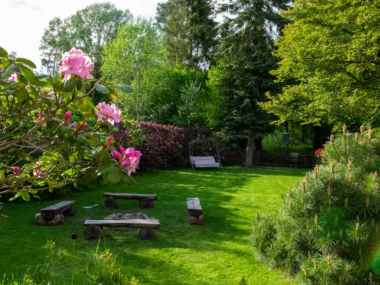
Beyond raw square footage, the type of space differs too. Manufactured homes typically include a private yard or outdoor area, something apartments rarely offer outside of a balcony. If outdoor space matters to you, whether for pets, gardening, or simply having room to sit outside without sharing it with neighbors, this is a meaningful practical difference that raw square footage numbers don’t fully capture.
Comparing the Actual Monthly Costs
This comparison requires a bit more nuance than just looking at listed rent. Apartment rent typically includes the building structure itself along with shared amenities, maintenance staff, and often utilities bundled or partially covered. Manufactured home rentals, particularly for manufactured homes for rent within established communities, often separate the home rental cost from a community or lot fee, which covers shared infrastructure, common area maintenance, and sometimes amenities like a clubhouse or pool.
When you add these together, and factor in that you’re typically responsible for your own full utility costs (heating and cooling a larger space costs more than a smaller apartment unit), the total monthly cost comparison can end up closer than the base rental price might initially suggest. It’s worth requesting a full cost breakdown, including all fees, from any manufactured home community you’re considering, rather than comparing just the headline rental figure against apartment rent.
Community Dynamics Differ Significantly
Apartment living generally means more transient neighbors, particularly in complexes that attract younger renters or short-term tenants. Manufactured home communities often skew toward longer-term residents, sometimes including a meaningful population of retirees or families who’ve been in the same community for years. This can translate into a different social atmosphere, often described by residents as more neighborly and stable, though this varies significantly by specific community and isn’t a universal rule.
If community stability and getting to know your neighbors matters to you, it’s worth visiting potential manufactured home communities in person and talking to current residents about their experience, rather than relying purely on marketing materials from the property management company.
Maintenance Responsibilities Are Genuinely Different
This is an area where renters sometimes get surprised after moving in. Apartment maintenance is typically handled entirely by building management, you call, they send someone, and it’s included in your rent. Manufactured home rentals can work differently depending on the specific arrangement. Some rental agreements include maintenance similar to an apartment, while others place more maintenance responsibility on the renter, particularly for the home’s systems like HVAC filters or minor repairs, even though you don’t own the home outright.
Clarifying maintenance responsibilities before signing any lease is essential here, since the gap between “everything’s handled for you” and “you’re responsible for routine upkeep” significantly affects both your monthly time investment and potential unexpected costs. A resource covering general home repair basics can be genuinely useful for renters in this situation, since even minor familiarity with common home systems helps you catch small issues before they become bigger problems, regardless of who’s technically responsible for the fix.
Standards and Regulation Behind Manufactured Housing
It’s worth understanding that manufactured homes built since 1976 are constructed under the federal HUD Code, a comprehensive building standard covering structural integrity, fire safety, and energy performance. The U.S. Department of Housing and Urban Development’s manufactured housing program oversees this standard, which means renting a manufactured home built under current regulations involves a level of construction oversight that’s often underappreciated by people unfamiliar with how this segment of housing has evolved.
Flexibility and Length of Stay Considerations
Apartments generally offer more flexibility for short-term stays, with lease terms as short as six months common in many markets, and a wider availability of month-to-month arrangements after an initial lease period. Manufactured home rentals sometimes favor longer-term leases, partly because community management prefers stability and partly because moving in and out of these homes involves more logistics than a standard apartment move. If you anticipate needing to relocate within a year or two, this is worth clarifying upfront, since breaking a longer lease can carry real financial penalties.
Pets and Lifestyle Fit
Manufactured home communities are often more accommodating of pets than apartment complexes, partly due to the private outdoor space typically available with each home. If you have a larger dog or multiple pets, this can be a meaningful factor tilting the decision in favor of a manufactured home rental, since many apartment complexes impose breed restrictions, weight limits, or per-pet fees that add up quickly.
Making the Right Choice for Your Situation
There’s no universal answer here, and the right choice depends heavily on what you’re prioritizing. If proximity to urban amenities, short-term flexibility, and bundled maintenance matter most, an apartment likely serves you better. If more space, private outdoor area, and a potentially more stable community environment matter more, and you’re comfortable with a longer lease commitment, a manufactured home rental is worth serious consideration.
For general guidance on evaluating rental decisions and understanding what to prioritize based on your specific lifestyle, browsing broader home tips resources can help frame the decision beyond just cost, since factors like commute time, community feel, and long-term flexibility often matter just as much as the monthly rent figure once you actually move in and start living there day to day.
Final Thoughts
Space, cost, and community are the three factors that actually differentiate these two rental paths in practice, more than any single headline number. Take the time to compare full costs, not just advertised rent, visit communities in person before deciding, and be honest with yourself about how long you’re likely to stay in one place. That combination of factors, more than either option being objectively better, is what determines which choice actually fits your life.