 Mylarith Qynthoril
There's something oddly compelling about hearing real, unfiltered emergency communication, dispatchers calling out addresses, officers checking in, the genuine rhythm of a city responding to whatever's actually happening in real time, unscripted and immediate.
Plenty of people find that fascinating enough to actually listen regularly, whether through an old-fashioned radio or, more commonly these days, an app streaming the same feeds straight to a phone. It feels harmless enough, just listening, after all.
That assumption holds up most of the time, but context and manner of use can matter here in ways simple curiosity alone doesn't always account for.
Owning a Scanner and Using One Aren't Always the Same Question
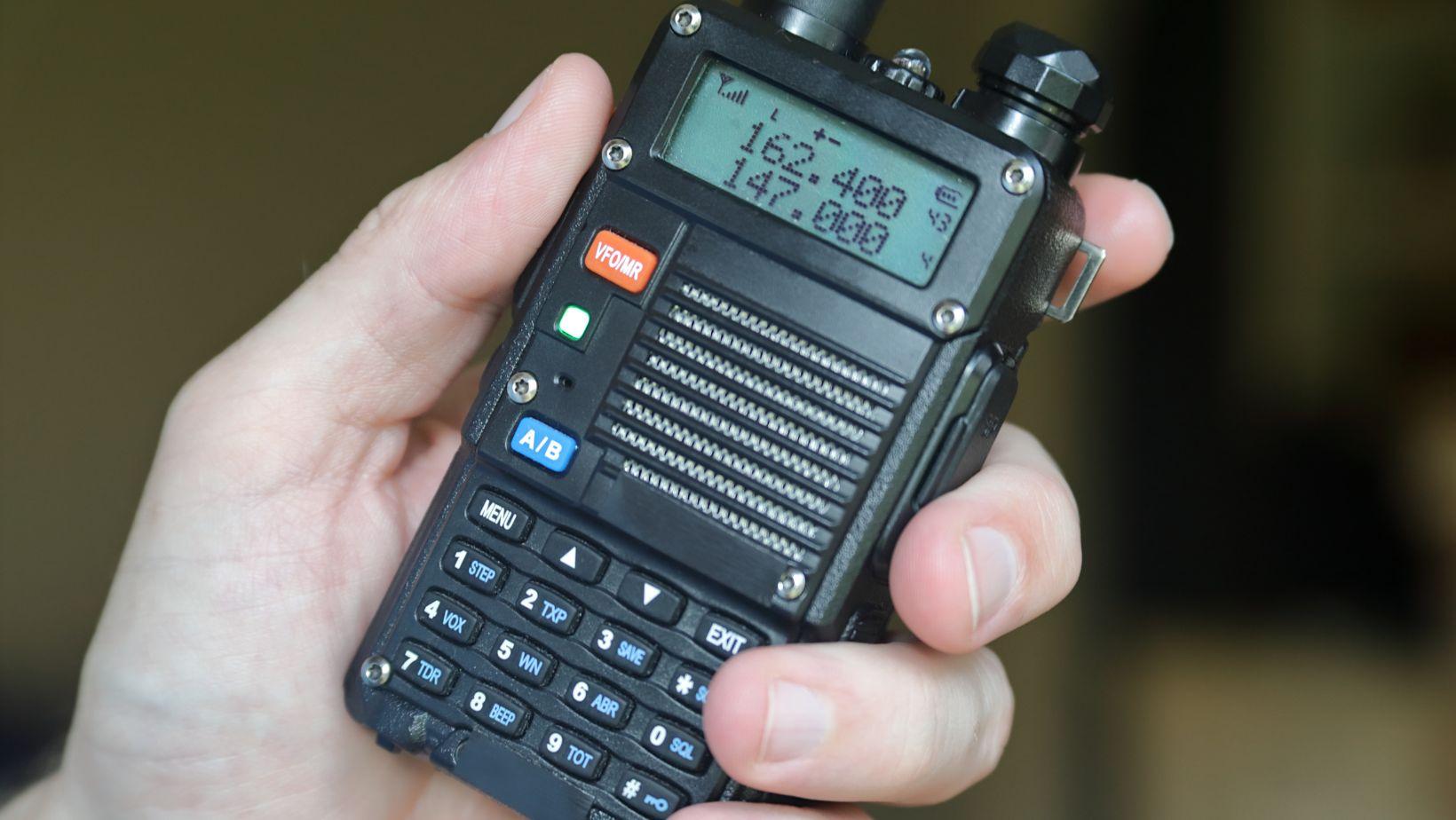
Simply owning a scanner, or having an app installed that streams similar content, is generally treated differently than how and when that device or app actually gets used in a specific moment or situation. The real question are police scanners legal in Ohio really comes down to pulling apart those two separate things, possession versus actual use.
Circumstances matter considerably here. Listening at home out of general curiosity presents a genuinely different picture than using that same information for some other purpose entirely, one that goes beyond simple, passive listening in a private setting.
Recognizing this distinction, between possession and use, helps clarify why the question isn't always as simple as it initially sounds, since the device itself rarely tells the whole story about what's actually permitted in a given circumstance. Two people with the exact same equipment can end up in genuinely different situations, depending entirely on what they actually did with it.
The Car Can Change the Rules
Vehicles introduce their own separate considerations. Using or possessing scanning equipment while driving can raise different legal questions than the exact same device sitting quietly on a shelf at home, entirely disconnected from any vehicle or roadway context.
That distinction exists partly because vehicles occupy a different legal category generally, subject to their own separate rules beyond what applies to ordinary personal property sitting at home. Location and context genuinely shift what's actually permitted here.
Understanding that a vehicle can change the applicable rules matters considerably for anyone who assumes a scanner's legality stays identical regardless of where it happens to be used, since that assumption doesn't always hold up consistently across every setting.
Listening During a Crime Is a Very Different Scenario
Passive curiosity and using emergency communications to actively assist unlawful activity represent fundamentally different situations, even though both technically start with the same basic act, listening to the exact same broadcast feed.
Using scanner information to evade law enforcement or facilitate ongoing criminal activity shifts the entire picture considerably, moving well beyond simple curiosity into something the law treats with genuine, heightened seriousness given the clear connection to unlawful conduct.
That distinction between innocent curiosity and active facilitation is really the core issue here, the device itself isn't inherently the problem, how it actually gets used in a specific situation is what genuinely matters most.
Technology Has Changed What a "Scanner" Looks Like
Traditional handheld radios used to be the only real option, but that's changed considerably. Smartphones now offer streaming apps that deliver essentially identical content, along with dedicated services that aggregate emergency communications from across entire regions.
This technological shift means "scanner" no longer describes just one specific type of device, it describes a broader category of access that keeps evolving faster than most people's general assumptions about how the underlying law actually applies to it.
Recognizing this evolution matters, since assuming old assumptions about physical radios automatically translate cleanly to modern streaming apps risks missing genuinely relevant differences in how these various technologies actually get treated under current law. What felt like settled common sense a decade ago doesn't necessarily hold up cleanly against today's tools.
Conclusion
Curiosity and conduct sit at the heart of this entire question, and context genuinely matters just as much as the device itself, whether that's an old-fashioned radio, a smartphone app, or something else entirely that delivers similar content.
Understanding how ownership differs from active use, how vehicles introduce separate considerations, and how technology keeps evolving faster than assumptions helps clarify why this question resists a single, simple answer that applies identically to every situation.
Recognizing that context shapes the actual answer here, rather than assuming a blanket rule applies universally, gives anyone genuinely curious about this hobby a considerably more accurate picture of where the real boundaries actually sit.