 Mylarith Qynthoril
Wasps rarely appear all at once. A single insect on the patio in spring becomes a small paper nest under the eave by early summer and a busy colony by August. In Los Angeles, where mild winters and long warm seasons allow queens to start early, activity can last well into fall. Homeowners often notice the problem only after a close encounter near a door, a barbecue, or a hose bib. Knowing what draws wasps to a property makes it possible to remove those draws and to spot nests while they are small. The sections below cover eaves and patio covers, wall gaps, outdoor food and drink, flowering plants and water, and a plan for assessing repeated activity.
Eaves and Patio Covers Offer Ideal Nesting Spots
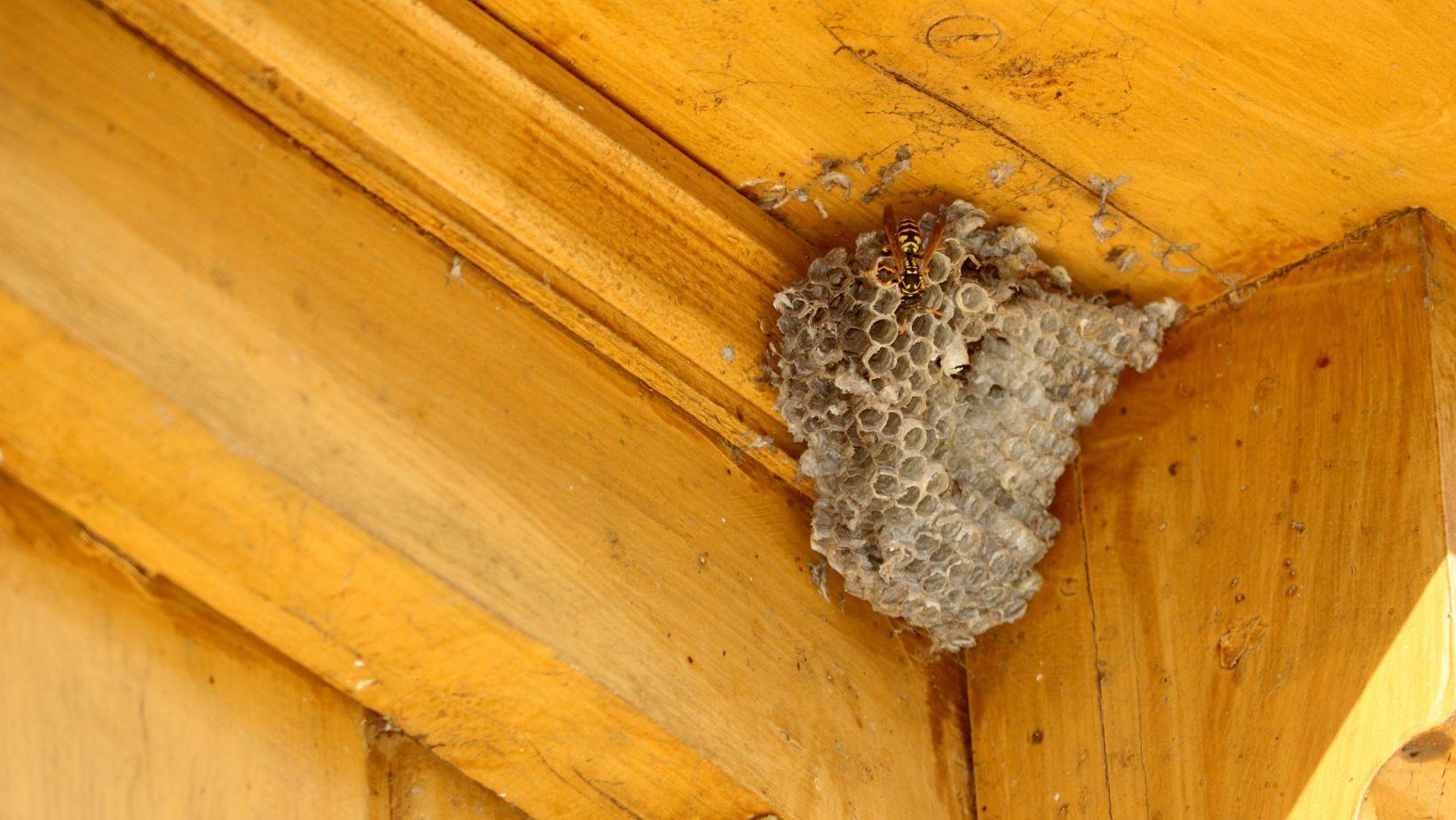
Paper wasps build open, umbrella-shaped nests under sheltered surfaces. Eaves, patio covers, pergolas, porch ceilings, and the underside of railings give them shade, shelter from rain, and a firm attachment point. The nest hangs from a single stalk, and a new queen begins with only a few cells in spring.
Height hides the problem. Nests above eye level often go unseen until wasps become defensive near a ladder, a light fixture, or a ceiling fan. A flashlight sweep along roofline edges, corners, and patio beams each spring catches small nests early, when removal is simpler and safer. Yellowjackets and mud daubers use similar locations, though they build differently, so a single patio cover can host several kinds. Sealing loose trim, filling gaps in soffits, and repairing damaged patio materials removes the pockets queens look for. Painting or sealing bare wood does not stop nesting entirely, yet it makes surfaces less appealing and easier to inspect.
Wall Gaps and Hidden Cavities
Some wasps nest out of sight. Yellowjackets often enter a gap in siding, a crack in stucco, or a hole near a vent and build inside the wall. The only visible clue is a steady flow of insects at one small opening. Because these nests grow in hidden spaces, they can reach large size before anyone notices.
Many residents type “are wasps invading your Los Angeles home” into a search bar after seeing repeated traffic near a wall or window frame, and the useful response is to watch the pattern. Wasps that fly in and out of the same spot throughout the day, particularly in the morning and afternoon, point to a nest. Gaps around utility lines, loose flashing, and weep holes are common entry points. Sealing them after a nest is removed prevents reuse, but sealing a hole while the colony is active can force insects into the house. Wall nests call for professional handling, since the wasps defend the entrance aggressively and treatment needs the right products and protective gear.
Outdoor Food, Flowering Plants, and Water Sources
Adult wasps feed on nectar and sugars, and many species also hunt insects to feed larvae. Outdoor dining areas draw them with soda cans, juice, fruit, and meat scraps, and uncovered trash adds to the appeal. In late summer, when natural food sources decline, yellowjackets become especially persistent around picnic tables and barbecues.
Gardens attract them as well. Flowering shrubs, herbs left to bloom, and fruit trees supply nectar, and dripping hoses, pet water bowls, pool edges, and birdbaths provide the water wasps need. Covering food, closing trash bins with tight lids, and picking up fallen fruit reduce the draw. Moving trash cans away from doors, rinsing recycling, and cleaning grills after use help too. Repairing leaking hose bibs and irrigation heads takes away easy drinking spots. These measures do not remove wasps from the area, yet they reduce the reason for visiting the patio and keep traffic down around doors and seating.
How to Assess Repeated Activity
A few wasps in a garden are normal, while steady traffic in one location signals a nest. Watching for a few minutes from a safe distance in the morning or early evening shows where insects enter and leave. A flashlight check of eaves, patio covers, fence posts, and sheds reveals visible nests, and photographs help identify the species.
When activity keeps returning, asking whether wasps are nesting in the building becomes a practical question about patterns rather than a single sighting. Notes on dates, locations, and the number of insects show whether the problem is growing. A small, new paper nest might be handled by an experienced person using proper protection at dusk, though a large nest, a nest in a wall, or any nest near a door or a play area deserves a licensed professional. Anyone with a known sting allergy should avoid inspecting at all and should have someone else check. Ground nests, often found in old burrows or under landscape timbers, should be treated with equal respect and never disturbed with a lawn mower or a trimmer.
A Practical Checklist for Homeowners
A short seasonal routine keeps surprises low. Early spring is the best time to inspect and remove small nests, midsummer calls for a repeat check, and early fall is the time to plan repairs.
The following steps cover most of what a property needs:
- Inspect eaves, patio covers, and fence lines with a flashlight.
- Seal gaps in siding, soffits, and around vents.
- Cover food and drinks outdoors and close trash lids tightly.
- Repair leaks and empty standing water in saucers and buckets.
- Watch for repeated flight paths and record where they lead.
Protective habits help as well: moving slowly near wasps, avoiding strong perfumes outdoors, and checking shoes and cushions before use.
Final Analysis
Wasps come to Los Angeles homes for shelter, food, and water, and a mild climate gives them plenty of time to take advantage. Eaves and patio covers hold open nests, wall gaps hide larger ones, and outdoor meals and gardens keep foragers close. Regular inspections catch nests early, simple repairs reduce nesting spots, and tidy food and water habits lower the number of visitors. Large, hidden, or aggressive colonies need professional removal. With steady attention and a few small repairs, a household can keep wasps at a distance and enjoy the patio through the season.