 Mylarith Qynthoril
A flicker of silver across the bathroom tile at night is enough to make anyone flinch. Silverfish are small, wingless, and quick, and they seem to appear from nowhere when a closet door opens or a box of old papers is moved. Their odd shape and sudden speed make people assume the worst, yet these insects behave more like shy tenants than aggressive intruders. What they really offer is information. Silverfish settle where humidity runs high and hiding places are plentiful, so their presence points toward conditions in the house that deserve attention. The sections below describe where they live, what their numbers can signal about moisture, whether they pose any threat to people, and which practical steps reduce activity.
Where Silverfish Settle Indoors
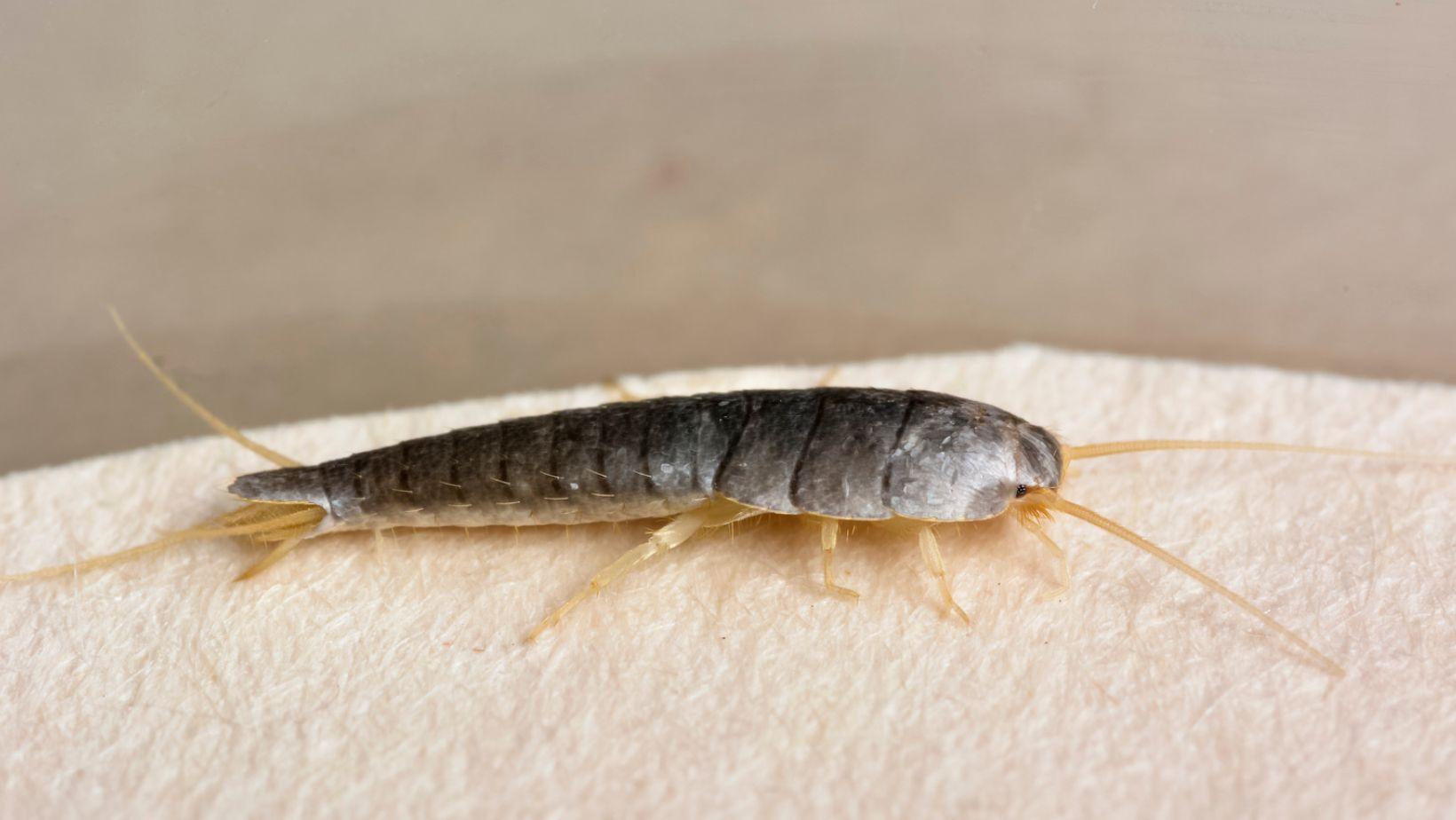
Silverfish are slender, carrot-shaped insects about half an inch long, covered in fine scales that give them a metallic sheen. They move with a wiggling, fish-like motion, and they avoid light. During the day they stay hidden in tight spaces, then roam at night in search of starchy food.
Bathrooms top the list of favorite spots, thanks to steam and wet surfaces. Basements, laundry rooms, kitchens beneath sinks, closets, attics, and storage areas follow close behind. Anywhere with elevated humidity and an undisturbed corner qualifies. They feed on starches and carbohydrates, including paper, book bindings, wallpaper paste, cardboard, cereal, glue, and fabrics made from natural fibers. A stack of old boxes in a damp garage gives them food and shelter together. Because they live a long time for an insect and can go weeks without eating, a small population can persist quietly until conditions allow it to grow.
What Their Presence Says About Moisture
Silverfish need humid air to survive, and they rarely thrive in dry rooms. Finding them is a hint that moisture is higher than it should be, whether from a slow leak, poor ventilation, condensation on cold pipes, or wet laundry left in a pile. Sightings concentrated in one room often trace back to one source.
Following the trail can pay off. A bathroom fan that is too weak, a washing machine hose with a drip, a basement wall that seeps after rain, or a closet against an exterior wall that stays cool and damp can each explain a population. The same conditions invite mold, wood rot, and other pests such as booklice, roaches, and centipedes. For that reason, silverfish work as an early warning. Their numbers show where humidity lingers long enough to matter, which gives a homeowner a chance to fix the cause before damage appears. A small hygrometer placed in suspect rooms shows whether the air stays above a comfortable range, and a flashlight along pipes and baseboards often reveals the source.
Do They Bite, or Pose Any Other Threat?
Many people searching “do silverfish bite” are worried about children, pets, or sleeping areas, and the reassuring answer is that these insects are not a danger to people. They are not known to bite or sting in any meaningful way, they do not carry diseases, and they have no interest in blood. Their mouthparts are built for scraping starches, not piercing skin.
The real damage is to belongings. Silverfish chew irregular holes and surface scrapes in paper, wallpaper, photographs, book bindings, and some fabrics, and they leave yellowish stains and small dark droppings. Collectors and anyone storing family records should take them seriously. Cardboard boxes in basements and attics make poor storage for this reason. Their presence in a bedroom or bathroom is more of a nuisance than a hazard, though a large population can signal that the room is too damp. People with allergies may react to shed skins and droppings in heavy infestations, so cleaning matters in those cases.
Reducing Humidity and Improving Ventilation
Because moisture is the main draw, dryness is the main cure. A dehumidifier in basements and damp closets pulls humidity down, and exhaust fans in bathrooms and kitchens should run during use and for a while afterward. Wet towels and laundry belong in a ventilated area rather than a heap, and clothes dryers should vent outdoors.
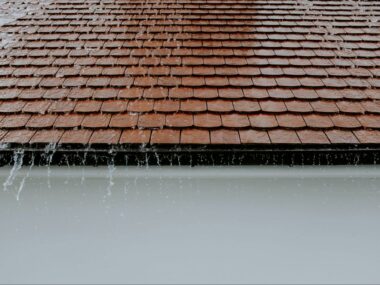
Anyone still asking whether silverfish pose a biting risk after finding several in a bathroom may find that the better question is why the room is so humid. Fixing leaking pipes, sealing gaps around tubs and sinks, and improving air movement with fans or open windows all help. Checking under sinks, behind toilets, and along exterior walls for damp spots shows hidden problems. Gutters and downspouts should carry water away from the foundation, and soil should slope away from the house. In basements, sealing cracks and running a dehumidifier at a steady setting keeps the air comfortable. Within a few weeks of drying a space, silverfish numbers often decline noticeably.
Organizing Paper Storage and Checking Damp Areas
Food and shelter matter too. Replacing cardboard boxes with sealed plastic bins takes away both a meal and a hiding place. Books, photographs, and documents are better stored off the floor, in a dry room, with some space around them so air can circulate.
A simple routine keeps the problem in view:
- Run a dehumidifier or fan in humid rooms.
- Repair leaks and wipe condensation from pipes and windows.
- Store papers and photographs in lidded plastic containers.
- Vacuum corners, closet floors, and baseboards regularly.
- Check basements, attics, and under-sink cabinets each month.
Sticky traps placed along walls and in closets show where silverfish travel and whether numbers drop. Persistent activity after moisture is controlled may point to a hidden source in a wall or ceiling, and a professional inspection can help find it.
End Note
Silverfish are harmless to people but informative about a home. Their presence in bathrooms, basements, closets, and storage areas points toward humidity and hiding places, and addressing those conditions usually brings numbers down without chemicals. Ventilation, leak repair, dehumidifiers, and better storage protect belongings and prevent the larger problems that dampness invites. When activity continues despite careful effort, an inspection can locate hidden moisture. Treating silverfish as a signal rather than a threat leads to a drier, healthier house.