 Mylarith Qynthoril
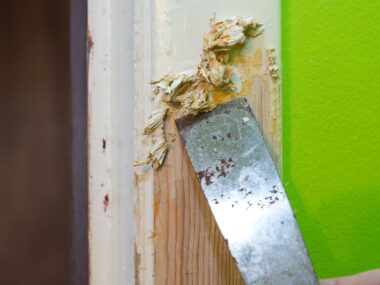
Imagine finding rot along the bottom of an original timber window. The quickest fix would be to remove the whole frame and install a new one, but on a heritage project, the first question is whether the sound timber can stay and only the damaged section needs replacing. That decision is part of the everyday work of heritage restoration contractors. Original material is kept when it contributes to the history, appearance or construction of the building and can still be repaired properly. The repair may take longer, but it preserves the original work and avoids replacing material that still has years of life left.
There is no prize for making a 120-year-old building look as though it was finished last Tuesday. Uneven glass, tool marks in the joinery and small variations in brickwork are often part of its character. Good restoration keeps those details while dealing with the decay that threatens them. That does not mean every alteration or damaged piece has to stay. The project team first needs to understand which parts matter and why.
Look closely before taking anything apart
Before work begins, the building needs to be recorded as it stands. Photographs show how doors, windows and decorative pieces fit together, while measurements and labels matter when an item has to be removed for repair. This may sound fussy until a room contains six similar timber panels and only one fits properly beside a particular doorway. A small label written before removal can save hours of trial and error when the pieces return from the workshop. The inspection also separates surface wear from genuine failure. Peeling paint may hide solid timber, while a neat-looking wall may be holding moisture behind it. The record also gives heritage advisors and trades a shared reference if a question arises after finishes are removed.
New repairs need to suit old materials
A repair can look perfect on the day and still cause damage later if the wrong material is used. A hard modern mortar may place stress on softer historic bricks, causing the brick faces to crumble while the new joints remain intact. Colour matching is only part of the job because the replacement mortar also needs to behave in a way that suits the surrounding masonry. The same thinking applies to timber, metalwork and traditional finishes. With the timber window, a skilled carpenter might join in one piece of matching timber instead of removing a complete frame that is otherwise sound.
The building needs protection from the restoration itself
A heritage feature does not have to be part of the repair to be damaged by the work. A staircase can be knocked while materials are carried upstairs, while dust from another room may settle into a decorative finish. Site protection also has to suit the material underneath it. Plastic may keep paint off a timber floor but trap moisture, so a breathable covering could be more appropriate. Anything removed needs a clear label and a safe storage location, and the whole site team should know which elements must remain untouched. The final record should then show what was repaired, what was replaced and which materials were used, giving the owner and any future contractor a clear account of the work.