 Craig Pornorey
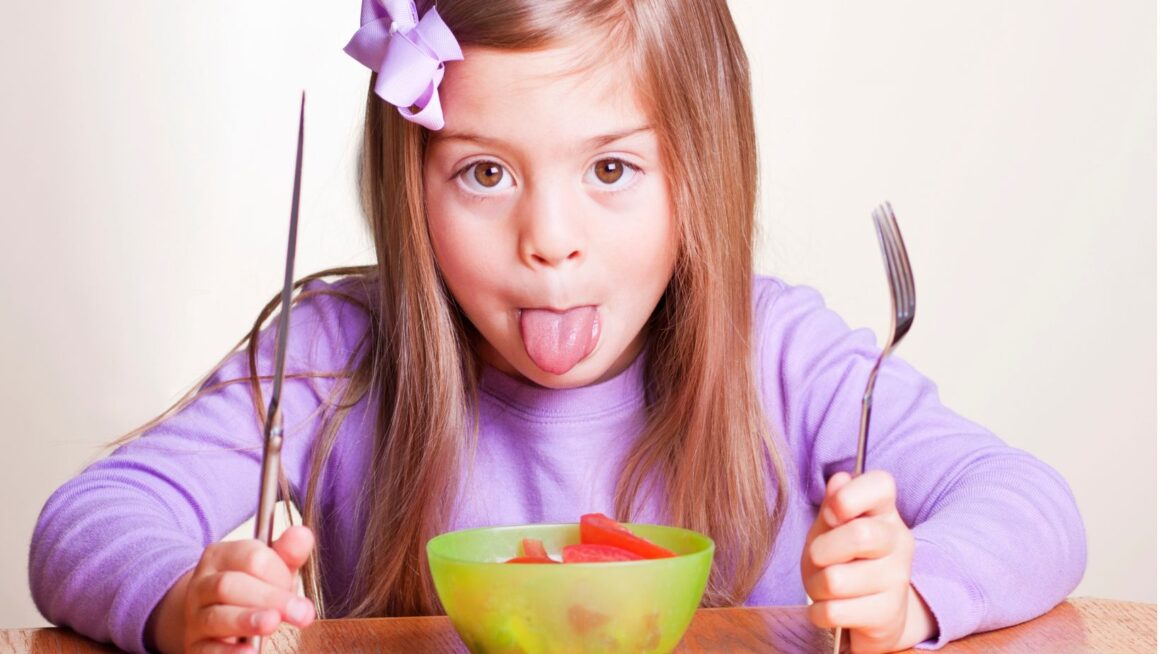
There’s a moment every parent hits, usually at the end of a long day, when you’re standing in your own kitchen holding a plate of food you know is fine, staring at a child who’s acting like you just served them a plate of bugs. It’s not a new meal. It’s not spicy. It’s literally the same chicken they ate on Tuesday. But tonight? No. Absolutely not. They’d rather sit there until bedtime than take a single bite.
Picky eating is one of those parenting things that sounds minor until you’re living it every single day. It wears you down. You start second-guessing yourself, Googling whether your kid is getting enough nutrients, and wondering if you somehow created this problem. And the advice you find online is all over the place. Some people say push through it. Others say back off completely. None of it feels like it was written by someone who’s watched a four-year-old cry over a piece of broccoli for twenty minutes straight.
So here’s what’s actually going on. Most picky eater kids aren’t trying to ruin your evening. They’re doing something developmentally normal that just happens to be incredibly annoying. Between ages two and six, kids start figuring out where they have power. They can’t decide when they go to bed. They can’t pick whether they go to school. But they can refuse to eat what’s in front of them, and that’s a pretty effective way to feel like they’re in charge of something.
It’s a Control Thing (Not a You Thing)
The research backs this up. The American Academy of Pediatrics has pointed out that food refusal in young children is often tied to developmental stages where autonomy becomes a big deal. It’s not defiance for the sake of it. It’s a kid testing boundaries in one of the few areas where they actually can.
That doesn’t make it less frustrating. But it does change how you respond. Turning dinner into a standoff usually makes things worse. The more pressure a kid feels around food, the more they dig in. And yeah, that includes the “just try one bite” approach that every well-meaning grandparent on the planet has suggested at some point.
What Triggers It to Get Worse
Kids don’t always start out as difficult eaters. A lot of parents notice it ramp up after some kind of disruption. A new sibling. Starting daycare. A schedule change. Even switching grocery stores can set things off because the packaging looks different or a favorite brand isn’t available anymore.
Texture sensitivity plays a role too. A kid who happily ate scrambled eggs for months might suddenly reject them because you cooked them slightly differently in a new pan. It sounds ridiculous from an adult perspective, but for a young child whose world is built on sameness, that small change registers as a big one.
Big Life Changes Make It Worse
Family moves are a common trigger that doesn’t get talked about enough. New kitchen, new smells, different water taste, unfamiliar brands at the store. Kids pick up on all of it even when they can’t say what’s bothering them. Research summarized by the American Academy of Pediatrics shows that major life transitions can increase emotional and behavioral stress in children. For many families, food struggles are one of the places that stress shows up.
If your family is in the process of relocating with children, expect the food situation to get rockier for a few weeks. That’s normal. They’re not regressing. They’re adjusting to a world that looks and feels different, and clamping down on food is one of the ways they cope. Keeping familiar meals in the rotation during that transition helps more than trying to introduce anything new.
What Actually Works
There’s no magic trick. Anyone selling one is lying to you. But there are patterns that tend to move things in the right direction over time.
Keep at least one safe food on the plate. Something you know they’ll eat. That way the meal isn’t a total standoff from the jump. Put the new or less-loved food there too, but don’t comment on it. Don’t say “just try it.” Don’t negotiate. Just let it exist on the plate and move on with your conversation.
Eat with them. This sounds obvious, but a lot of families have gotten into the habit of feeding kids separately, and kids who eat alone miss out on the social modeling piece. They need to see you eating the same food without drama. Not performing excitement about how delicious the green beans are. Just eating them like a normal person.
Keep mealtimes short. If they’re not eating after 20 or 25 minutes, the meal is over. No guilt trip, no “fine, you’ll be hungry later.” Just clear the plates. They’ll survive, and the next meal is a fresh start.
When to Actually Worry
Most picky eating is normal and passes on its own somewhere between ages six and nine. It’s annoying, but it’s not dangerous. Pediatricians generally agree that growth patterns, not single meals or short phases, are the most reliable indicator of whether a child’s eating behavior is a concern.
There are times when it’s worth having that conversation with your pediatrician, though. If your kid is losing weight, consistently refusing entire food groups for months, gagging or vomiting at the sight or smell of certain textures, or showing signs of anxiety around meals, that’s different territory. Some kids have sensory processing issues that go beyond typical pickiness, and catching that early makes a difference.
But for the majority of families? This is a phase. A long, exhausting, dinner-ruining phase, but a phase.
The Part Nobody Talks About
Picky eating messes with parents emotionally more than most people admit. Feeding your kid feels primal. When they won’t eat what you made, it’s hard not to take it personally, even when you know better. You start dreading meals. You stop trying new recipes because what’s the point? You feel guilty for giving in and making mac and cheese again because at least they’ll eat something.
That guilt is pointless. Seriously. Your kid eating the same five foods for a few months is not going to define their relationship with food forever. What will stick with them is how stressful or relaxed mealtimes felt. Keep it low-key. Let go of the Pinterest meal expectations. And on the nights when everyone eats cereal, that’s fine too. You’re doing better than you think.