 Mylarith Qynthoril
Owning a home comes with constant maintenance responsibilities, and plumbing problems are often among the most expensive surprises homeowners face. While some plumbing emergencies happen unexpectedly, many large repairs actually begin as small issues that slowly worsen over time. The good news is that preventative maintenance and a few smart habits can help homeowners avoid many costly plumbing problems.
One of the easiest ways to reduce plumbing issues is paying attention to drains before they become completely blocked. Slow drainage is usually an early warning sign that buildup is forming inside the pipes. Kitchen drains commonly collect grease, soap residue, and food particles. Bathroom drains typically deal with hair and hygiene products. Addressing slow drains early is usually far simpler and less expensive than dealing with a major blockage later.
Many homeowners reach for chemical drain cleaners when a clog develops, but repeated use of harsh chemicals may eventually damage certain plumbing materials. Preventative maintenance and proper drain care are often safer long-term solutions for protecting pipes.
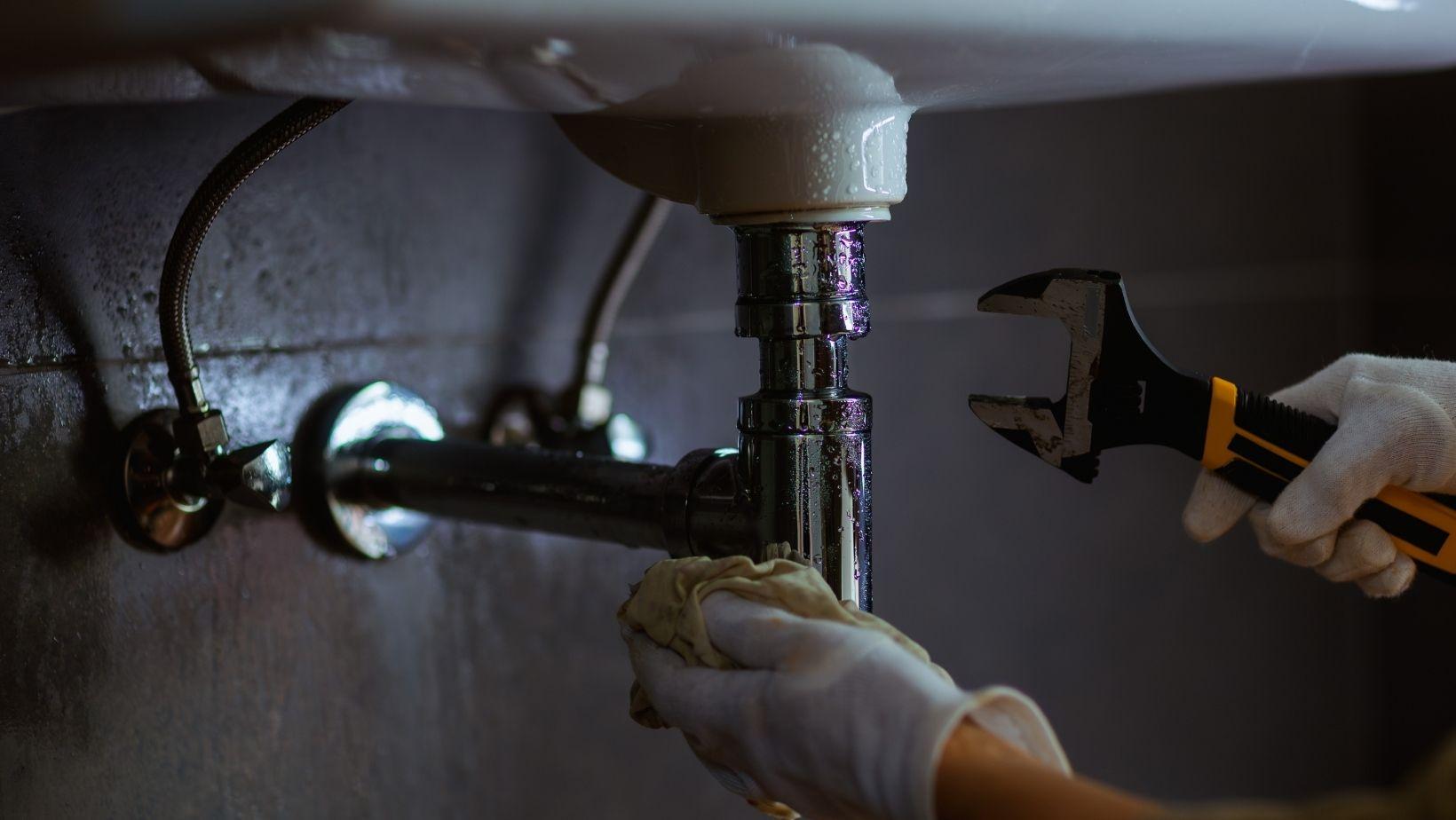
Leaks are another issue homeowners should never ignore. A dripping faucet or leaking shut-off valve may seem minor initially, but small leaks waste water continuously and can eventually create water damage around cabinets, flooring, or walls. Some leaks remain hidden behind walls for months before visible signs appear.
Toilets are one of the biggest sources of wasted water inside many homes. A constantly running toilet can waste hundreds of gallons of water without homeowners realizing how much it impacts utility bills. Fortunately, many toilet repairs involve relatively inexpensive parts that can prevent larger costs later.
Water heaters also benefit greatly from regular maintenance. Sediment naturally builds up inside tanks over time, especially in areas with mineral-heavy water. This buildup forces the water heater to work harder, reducing efficiency and sometimes shortening the lifespan of the unit. Routine flushing and inspections may help improve performance and prevent premature failure.
Water pressure is another factor that affects plumbing systems more than many people realize. Excessively high water pressure places additional stress on pipes, supply lines, and fixtures throughout the house. Over time, that pressure can contribute to leaks and pipe damage. Installing or maintaining a pressure regulator can help protect the plumbing system.
Outdoor plumbing deserves attention as well. Hose bibs, irrigation systems, and exposed outdoor piping are vulnerable to weather-related wear and seasonal temperature changes. Small outdoor leaks are easy to miss because they occur outside the home, but they can still waste large amounts of water over time.
Homeowners should also know where the main water shut-off valve is located. During a plumbing emergency, shutting off water quickly can significantly reduce property damage. Many people only think about this after a leak has already started.
Another affordable preventative measure is scheduling occasional plumbing inspections. A professional inspection may identify developing issues such as aging shut-off valves, small leaks, pipe corrosion, or drainage concerns before they become emergencies. Early detection often helps homeowners avoid larger repair bills later.
Some homeowners delay plumbing repairs because they worry about costs, but waiting too long often makes repairs more expensive. Water damage tends to spread quietly, especially behind walls or beneath flooring. A small repair today may prevent major restoration work later.
People looking for a trusted Durham plumber are often searching for someone who can provide honest recommendations and long-term solutions rather than temporary fixes. Reliable plumbing repairs help homeowners protect both their property and their budget over time.
Preventative plumbing maintenance does not require major renovations or expensive upgrades. Small routine habits, regular inspections, and addressing problems early can help homeowners reduce unexpected expenses while keeping their plumbing systems functioning efficiently for years to come.