 Mylarith Qynthoril
Few discoveries are more unsettling than finding signs of termites. Soon after, a second worry often follows: could the insects have spread to other places, including through clothing? People who have visited an infested property, helped a relative move, or handled damaged wood sometimes wonder whether a shirt or a jacket could carry termites home.
The concern is understandable, but it points the wrong way. Termites spread in specific ways, and everyday clothing is rarely one of them. The sections below explain how termites live and move, why clothing is an unlikely route, which paths matter much more, and what to do when moving belongings out of a property with termite activity.
How Termites Live and Why That Limits Their Travel
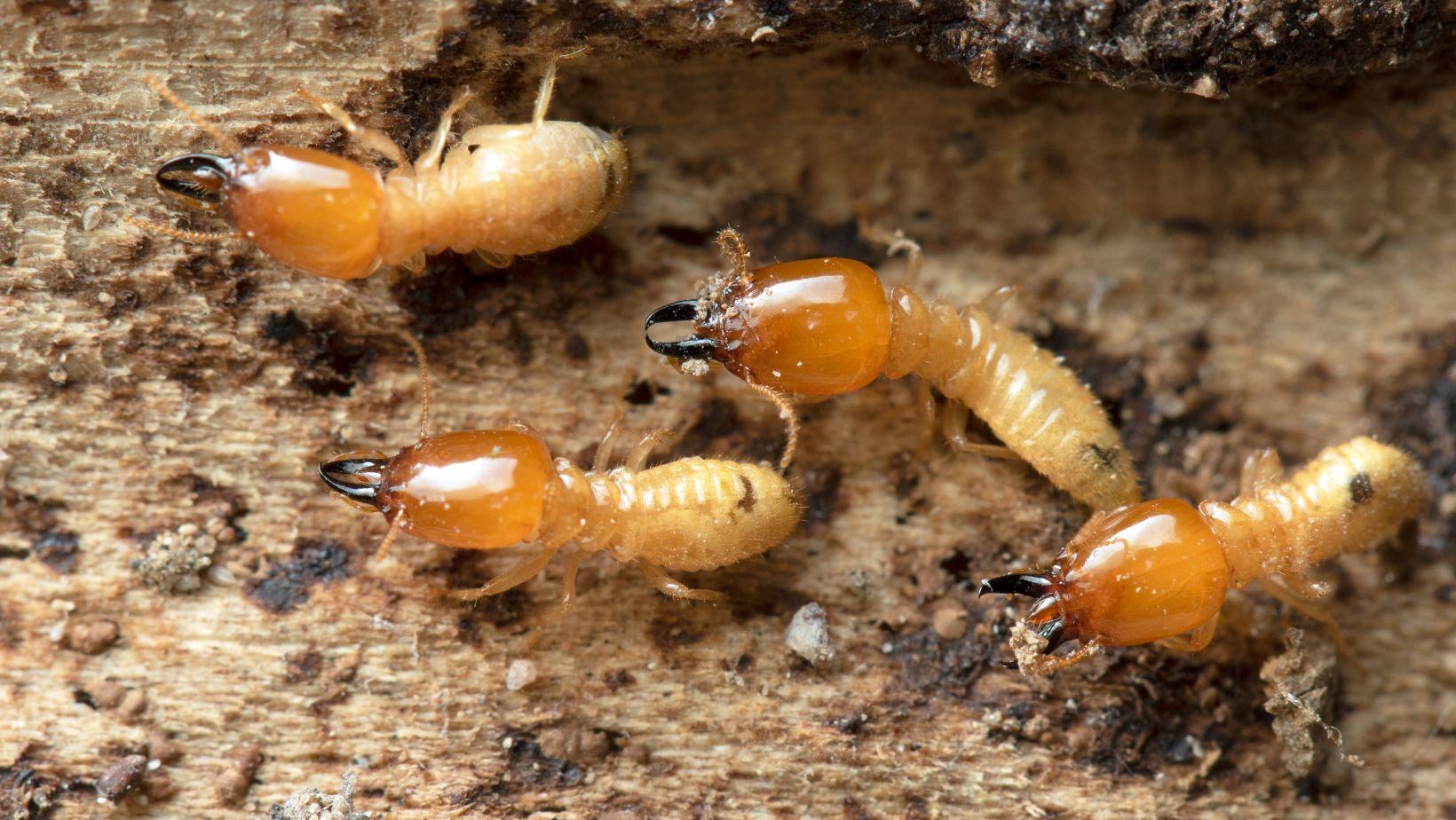
Termites are social insects that live in colonies. Most species that damage homes feed on cellulose, the material that makes up wood, paper, cardboard, and many plant products. Subterranean termites, the most common type in many regions, nest in soil and travel through mud tubes to reach food. Drywood termites live inside the wood they eat and do not need contact with the soil.
A colony depends on a stable environment. Workers need moisture, protection, and a steady supply of cellulose. They avoid light and open air, and they tend to stay hidden within wood, soil, or the tunnels they build. A worker termite on its own cannot found a new colony, and it will not survive long away from the colony and its food.
New colonies start differently. At certain times of year, mature colonies release winged reproductive termites, called swarmers. These fly, shed their wings, pair up, and look for a suitable site to start a new nest. Their success depends on finding the right conditions, such as damp soil or suitable wood, not on hitching a ride on a passerby.
Because of these needs, termites rarely spread by simply being carried around. They move by colony expansion, by flight of swarmers, or by being transported inside the materials they live in.
Can Termites Spread Through Clothing?
Homeowners who ask can termites spread through clothes can be reassured that the risk is very low. Termites do not live on people, they are not attracted to body warmth in the way some pests are, and they do not cling to clothing as bed bugs or lice might. A worker that happens to land on a sleeve is far more likely to fall off and die than to start a new infestation.
Clothing also lacks what termites need. Although cotton and linen are plant-based fibers, finished clothing is not a typical food source or nesting site, and termites do not normally establish colonies in wardrobes. Damage to stored clothing is usually caused by other pests, such as moths and carpet beetles, or by mold and moisture, not by termites.
It is not impossible that a stray termite might ride on a garment for a short time after contact with an infested area. But the idea that clothing is a common transmission route is largely a misconception. Even if a few insects were carried, they would be unable to form a colony without moisture, soil contact, or suitable wood in a protected setting.
So can termites spread through clothes in any meaningful way? Not under ordinary circumstances. Washing or shaking out clothing after a visit to an infested site is reasonable, but it is not a significant factor in the spread of termites.
The More Realistic Ways Termites Move Between Properties
The paths that matter most involve wood and other cellulose materials. Infested lumber, furniture, flooring, firewood, pallets, and structural timber can contain live termites, especially drywood termites, which live inside the wood itself. Moving such items into a new location can introduce a colony.
Furniture and decor deserve attention. Antique pieces, wooden crates, picture frames, and cabinets can hold termites in hidden galleries. Cardboard boxes and stored paper products, which are cellulose-rich, may attract termites when they sit in damp areas or near an existing colony.
Established colonies near a building are another major source. Subterranean colonies in the soil can extend toward a structure through mud tubes, cracks in the foundation, and wood in contact with the ground. Neighboring properties with active colonies pose a risk, since termites forage over considerable distances through soil.
Swarmers are the usual way new colonies appear. Swarms of winged termites appearing indoors or around the foundation suggest an existing colony nearby. They may come from the home itself or from neighboring structures and trees. Finding discarded wings near windows or doors is a common sign.
Landscaping materials can carry termites too. Mulch, railroad ties, wood chips, stumps, and untreated lumber placed against a building provide food and moisture and can bring termites close to the structure.
Practical Advice for Moving Belongings From a Termite-Affected Property
When leaving a property with termite activity, focus on the materials that matter. A checklist helps:
- Inspect wood furniture closely for small holes, frass that looks like fine pellets, blistered surfaces, or hollow-sounding areas
- Check cardboard boxes, books, and paper goods that have been stored on floors or in damp areas, and replace damaged boxes with plastic bins
- Leave behind or treat stored lumber, firewood, and wood scraps instead of moving them
- Avoid moving damaged or suspect wood items to the new home until a professional has evaluated them
- Clean and inspect items before loading, and store them in sealed containers where possible
- Arrange a termite inspection of the new property before and after the move
Wood furniture is the main concern. Inspect joints, undersides, and backs, where termites are more likely to hide. Look for frass, tiny exit holes, or tunnels. If signs are present, a professional can advise on treatment, which may include heat, fumigation, or targeted applications, depending on the species.
Clothing and soft goods can be handled with ordinary care. Washing and drying them as usual, or simply shaking them out, is sufficient. There is generally no need to discard or treat clothing for termites.
Documentation helps. Record what was found at the old property, which items were affected, and what treatment was done. This information helps the new owner or professional make informed decisions and avoids repeated work.
Focusing on the Source of Activity
The most effective response to termites is to locate and address the source. Look for mud tubes on foundations, damaged or hollow-sounding wood, swarmers or discarded wings, and moisture problems that create favorable conditions. Check crawl spaces, basements, attics, and areas where wood touches soil.
A professional inspection is the most reliable way to confirm activity, identify the species, and design treatment. Termite treatments vary, and the right choice depends on the type of colony, the structure, and the extent of damage. Regular inspections, especially in warm, humid regions, catch problems early.
Prevention reduces the odds of trouble. Keep wood and mulch away from foundations, repair leaks, improve drainage, and ventilate crawl spaces. Store firewood off the ground and away from the house, and fix damaged siding or trim before moisture gets in.
Attention to these steps matters more than worrying about clothing. Putting effort into inspecting wood, controlling moisture, and maintaining a barrier around the building addresses the real ways termites spread and protects the home.
Key Takeaways
Termites are very unlikely to spread through everyday clothing. They live in colonies, depend on cellulose and moisture, and move mainly through infested wood, furniture, structural materials, swarmers, and established colonies near a building.
Homeowners moving belongings from a termite-affected property should inspect wood furniture, cardboard, stored lumber, and other cellulose-based materials before transport. Keeping attention on the source of activity, and on moisture and wood contact around the home, protects far better than concern about clothing.
Calm, informed action works better than worry. Inspect the materials that actually carry termites, control moisture, and schedule regular professional inspections, and clothing can go back to being just clothing.