 Mylarith Qynthoril
A boiler breakdown rarely happens at a convenient time. Most homeowners discover the problem during the coldest days of the year, late at night, or right before a busy morning. When a boiler suddenly stops working, it can quickly become more than an inconvenience, it can disrupt daily life, affect safety, and even cause property damage in extreme weather conditions. Understanding what happens during an emergency boiler repair can help homeowners respond calmly and make better decisions under pressure.
In situations like these, contacting a trusted service provider such as Town Oil Company can make a significant difference. Professional emergency technicians are trained to quickly diagnose issues, restore heat safely, and prevent further damage to the system. Knowing what to expect during the repair process can reduce stress and help you act efficiently when your heating system fails.
In this article, we’ll walk through what homeowners should expect during an emergency boiler repair, common causes of breakdowns, and how to prepare for such situations.
What Qualifies as an Emergency Boiler Repair?
Not every boiler issue is an emergency, but certain situations require immediate attention. An emergency repair is typically needed when:
- The boiler stops producing heat completely
- There is no hot water in the home
- You hear unusual or loud banging noises from the system
- There is a suspected gas leak or burning smell
- The boiler is leaking water significantly
- The system repeatedly shuts down or fails to restart
In cold weather, even a partial loss of heating can quickly become an urgent issue, especially for households with children, elderly residents, or vulnerable individuals.
Step 1: The Emergency Call and Initial Assessment
The emergency repair process begins when you contact a heating technician or service provider. During the initial call, you will be asked several questions to help assess the severity of the issue.
These may include:
- When the problem started
- Whether the boiler is making unusual noises
- If there are visible leaks or warning lights
- Whether the system has completely shut down
This initial assessment helps the technician determine whether immediate dispatch is required and what tools or parts may be needed.
Companies like Town Oil Company often prioritize emergency calls to ensure that homeowners are not left without heat for long periods.
Step 2: Technician Arrival and Safety Check
Once the technician arrives, the first priority is safety. Boilers involve fuel, electricity, and pressurized water systems, so proper precautions are essential.
The technician will typically:
- Inspect the boiler visually for obvious damage
- Check for gas leaks or unusual odors
- Ensure electrical components are safe to handle
- Confirm that the system is not in immediate danger of causing further damage
If any serious safety hazard is detected, the technician may shut down the system completely before proceeding.
Step 3: Diagnosing the Problem
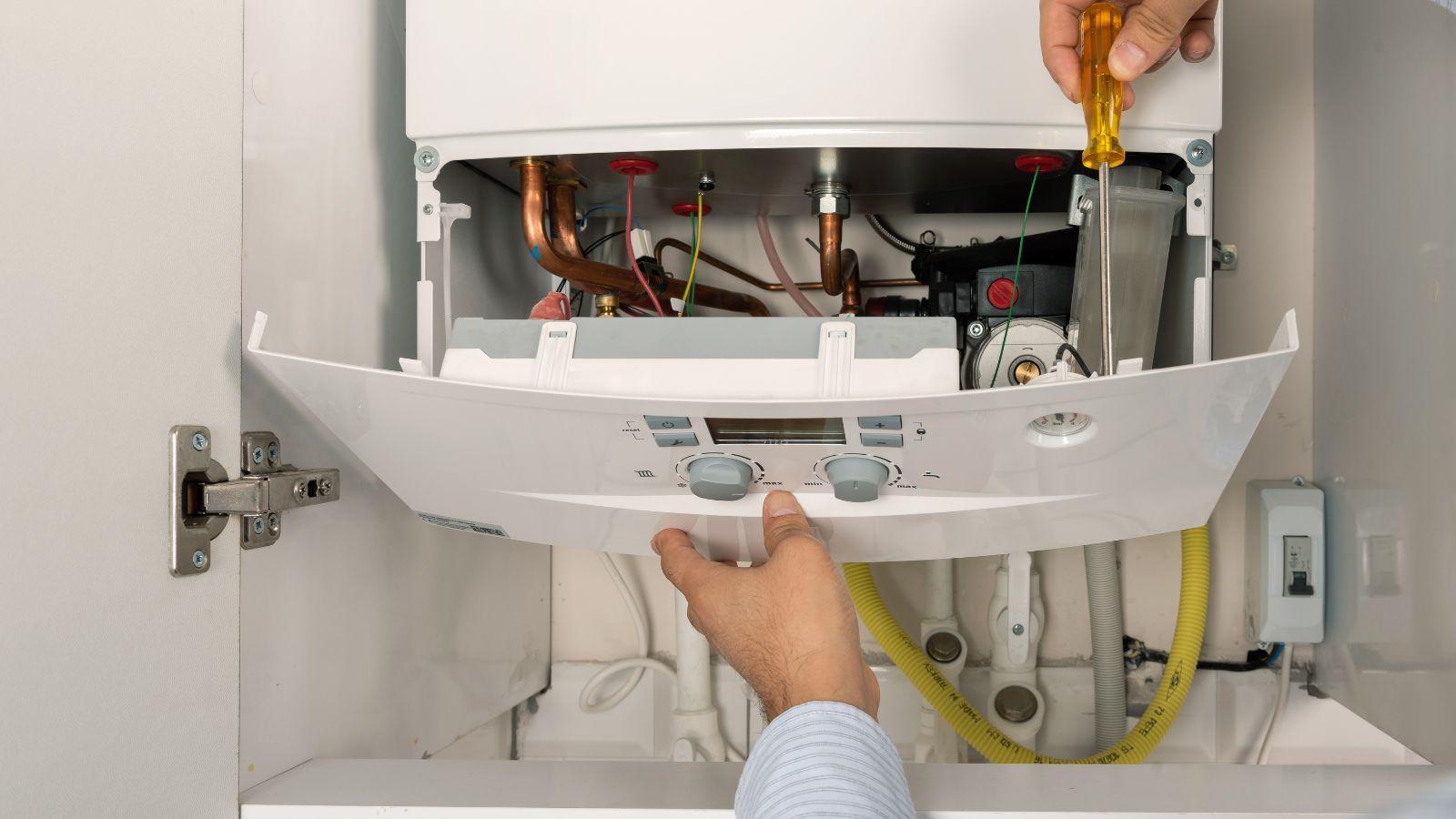
After ensuring the system is safe, the technician will begin diagnosing the root cause of the failure. This is one of the most important steps in emergency repair.
Common diagnostic steps include:
- Checking pressure levels in the system
- Inspecting the thermostat and control settings
- Testing ignition systems and burners
- Examining pumps, valves, and circulation systems
- Reviewing error codes on modern digital boilers
The goal is to identify whether the issue is minor and fixable on-site or whether parts need replacement.
Common Causes of Emergency Boiler Breakdowns
Emergency boiler failures can result from several underlying issues. Understanding these helps homeowners recognize potential warning signs earlier.
1. Pressure Loss
Low boiler pressure is one of the most common causes of system failure. It may result from leaks, faulty valves, or bleeding radiators.
2. Frozen Condensate Pipe
During freezing temperatures, condensate pipes can become blocked with ice, causing the boiler to shut down.
3. Pump Failure
If the circulation pump stops working, hot water cannot move through the system, resulting in no heat.
4. Ignition or Pilot Light Failure
Older boilers may fail to ignite if the pilot light goes out or the ignition system malfunctions.
5. Thermostat Issues
A faulty thermostat may prevent the boiler from receiving proper signals to turn on or regulate temperature.
6. Internal Component Failure
Heat exchangers, valves, or sensors may fail due to age or lack of maintenance.
Step 4: On-the-Spot Repairs
Once the issue is identified, the technician will attempt to fix it immediately if possible. Many emergency boiler problems can be resolved during the first visit.
Common on-site repairs include:
- Re-pressurizing the system
- Resetting or replacing the thermostat
- Thawing frozen pipes
- Replacing faulty valves or sensors
- Restarting ignition systems
- Cleaning blocked components
Technicians typically carry common replacement parts to handle urgent repairs quickly.
Step 5: When Parts Need Replacement
In some cases, the problem cannot be fixed immediately due to the need for specialized parts. When this happens, the technician will:
- Explain the issue clearly to the homeowner
- Provide a temporary solution if possible
- Order necessary replacement parts
- Schedule a follow-up repair visit
While this may extend the repair timeline, it ensures the boiler is properly restored rather than temporarily patched.
Step 6: Temporary Heating Solutions
If the boiler cannot be repaired immediately, homeowners may need temporary heating solutions. Depending on the service provider, options may include:
- Electric heaters
- Temporary boiler bypass systems
- Partial system restoration (hot water only or limited heating)
Companies like Town Oil Company often prioritize restoring at least partial heating to maintain safety and comfort until full repairs can be completed.
Step 7: Testing the System After Repair
Once repairs are complete, the technician will thoroughly test the system to ensure everything is functioning correctly.
Testing includes:
- Checking system pressure
- Running the boiler through a full heating cycle
- Monitoring temperature output
- Ensuring no leaks or unusual noises are present
This step ensures that the repair has fully resolved the issue and that the boiler is safe to operate.
What Homeowners Should Do During a Boiler Emergency
Knowing how to respond during a breakdown can prevent further damage and improve safety. Homeowners should:
1. Turn Off the Boiler If Necessary
If you notice leaks, burning smells, or unusual sounds, shut off the system immediately.
2. Check for Visible Issues
Look for obvious signs such as water leaks, pressure drops, or error messages.
3. Avoid DIY Repairs
Boilers involve gas and electrical components, making DIY repairs dangerous.
4. Call a Professional Immediately
Contact an emergency service provider to inspect and repair the system.
5. Keep the Area Safe
Avoid using damaged equipment and keep children and pets away from the boiler area.
How to Prevent Emergency Boiler Breakdowns
While emergencies cannot always be avoided, regular maintenance significantly reduces the risk. Preventive measures include:
- Annual boiler servicing
- Checking pressure levels regularly
- Bleeding radiators when needed
- Insulating pipes during winter
- Addressing small issues before they worsen
Routine maintenance helps identify problems early and prevents sudden system failures.
The Cost of Emergency Boiler Repairs
Emergency repairs are typically more expensive than scheduled maintenance due to urgency and after-hours service. Costs may include:
- Emergency call-out fees
- Labor charges for urgent diagnostics
- Replacement parts
- Temporary heating equipment (if required)
However, delaying repairs often leads to more extensive damage and higher long-term costs.
Why Fast Response Matters
A broken boiler in winter is more than a comfort issue, it can become a safety concern. Fast response is critical because:
- Pipes can freeze and burst in cold weather
- Indoor temperatures can drop quickly
- Vulnerable individuals may be at risk
- Water damage can occur if leaks are present
Professional emergency services ensure that problems are addressed before they escalate further.
Final Thoughts
Emergency boiler repairs are stressful, but understanding the process helps homeowners stay prepared and make informed decisions. From the initial call and diagnosis to on-site repairs and system testing, each step is designed to restore heat safely and efficiently.
While unexpected breakdowns can happen, many emergencies can be prevented with regular maintenance and early detection of issues. Partnering with reliable providers like Town Oil Company ensures that when problems do arise, you receive fast, professional service that minimizes disruption and protects your home.
Ultimately, being prepared, acting quickly, and relying on trained professionals is the best way to handle any boiler emergency with confidence and safety.