 Mylarith Qynthoril
Residential landscaping
A good landscape doesn’t just look better from the curb. It makes your everyday life outdoors more pleasant, whether that’s coming home to a nice entrance, eating outside, or relaxing after a long day. The best landscapes don’t start with plant lists; they start with the way the space needs to work.
Landscaping design isn’t just about looking good, it’s about bringing together the site, house, and occupants into one design solution – Landscaping design covers that side of it. This approach can save you money down the road and make sure all your upgrades fit into a cohesive whole.
Where Should the Design Begin?
You could jump right into choosing flowers and trees and garden ornaments, but it’s helpful to have a discussion about flow and usage first.
Consider these questions:
- Where do you enter/exit the space?
- What views do you want to highlight or block?
- Where does water pool in the rain?
- What spaces need to be open, shaded or private?
A path that matches the way people naturally walk will feel better than one set up just for symmetry. A seating area should be placed where it’s convenient to use, not just where it looks pretty.
Give the Yard Permanent Features
Planting is important for color and seasonal interest, but creating a beautiful landscape in Minneapolis needs permanent structure. Hardscaping, edging, pavers, walls and plantings create order. Once you’ve got a strong foundation, plants become more of an accent.
Structure also helps you define different areas in your yard. Using a change in paving, planting style or height can help you transition from one use to the next without looking abrupt.
There are lots of scale and proportion issues at play, as well. A narrow bed against a huge wall won’t show up, while a huge hardscaping feature can look out of place against a modest home. Pay attention to views from inside as well as from the street, as we have plenty of opportunities to look out our windows.
Which Plants Fit the Site?
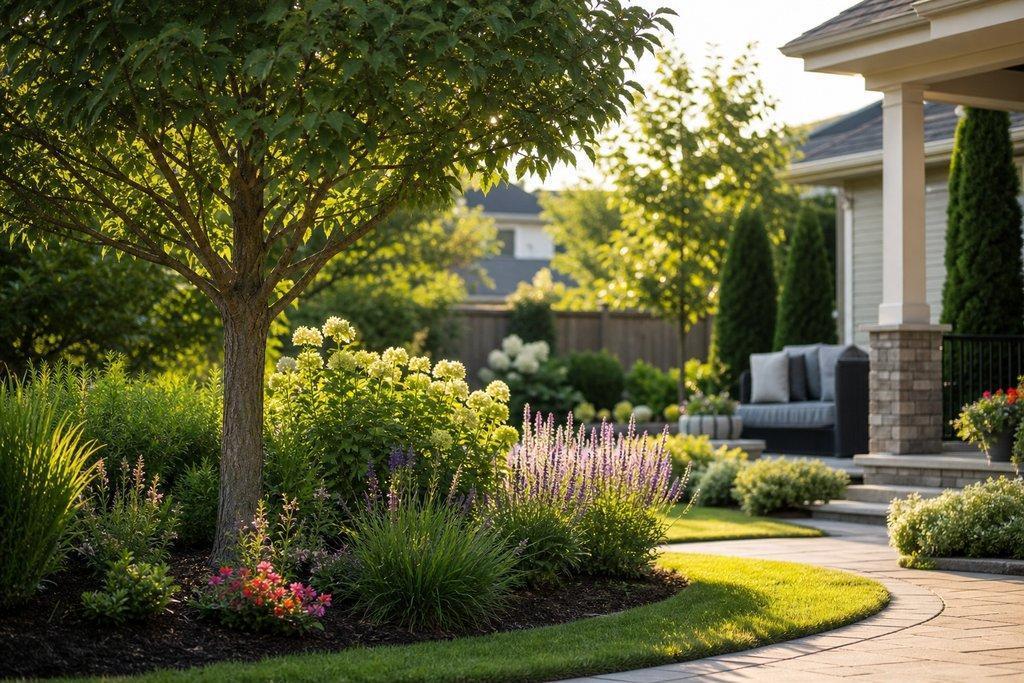
Landscape plants and hardscaping
You also need to think about sun and shade, drainage, soil type – Britannica explains the why of it at britannica.com/science, wind exposure, and how much time you have to maintain your landscape. A beautiful plant at planting time might not thrive in its location long-term.
Layering your plantings adds visual interest, too. By combining groundcovers, mid-height plants and tall accents, you’ll achieve a full, multi-dimensional effect.
Also consider spacing, since plants you put 18” away from the sidewalk today could be right against it in five years. Keep mature size in mind when you design, so you’re not pruning back plants all the time.
How Much Maintenance Feels Realistic?
“Low maintenance” isn’t the same as “no maintenance.” All yards need regular irrigation, clean-up, pruning and seasonal chores. But you can design around the amount of effort you want to put in.
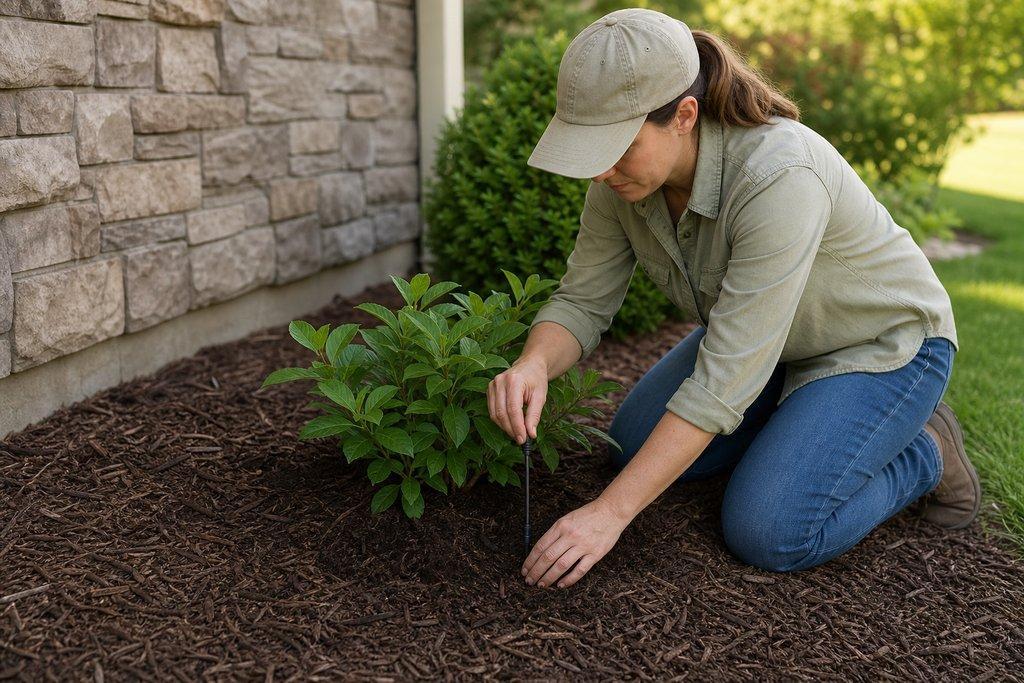
Smaller beds, easier-care materials and strategic plant groupings will help you keep things under control. Drip irrigation, drainage improvements and mulch will also impact how much work you have to do once the project is done.
Rather than asking “can I make my yard low-maintenance?”, ask yourself, “what should I keep doing and what do I want to eliminate?”
In Minneapolis, you’ll benefit from planning ahead of snowfall, as well. Pathways, stairs, and driveways require space for snow storage so that snow piles won’t block visibility, cover low-lying plants, or make the entry hard to access.
Materials must be chosen with freeze-thaw seasons in mind because pavers and edging that aren’t installed properly may move over the years. You’ll also want to consider what happens when de-icing salt hits the ground. De-icing salt from streets and sidewalks can damage plants, especially evergreens close to curbs or driveways. If you leave a little extra room between the sidewalk or street and plants and choose more durable plant varieties in those areas, you’ll avoid future issues.
Consider adding lighting as well, especially since the days get shorter and darker in winter. Adding lights to pathways, stairways, or patios can increase safety without illuminating the entire yard. We’re looking for year-round usability, not just in summer.
Also, it’s important to identify any utility lines, garden hoses, gates or other areas requiring service access prior to placing your planting bed. It’s not going to look so good if you’ve got a gorgeous planting bed obstructing the air conditioner, making it hard to get at your bins, or preventing easy repair.
What Should the Final Plan Accomplish?
A great landscape doesn’t need everything, it just needs to fulfill a clear objective, have a logical layout and use materials that work with your home and surroundings. Start by figuring out the most frustrating spot in your yard, and pay attention to how it gets used at different times of day.