 Mylarith Qynthoril
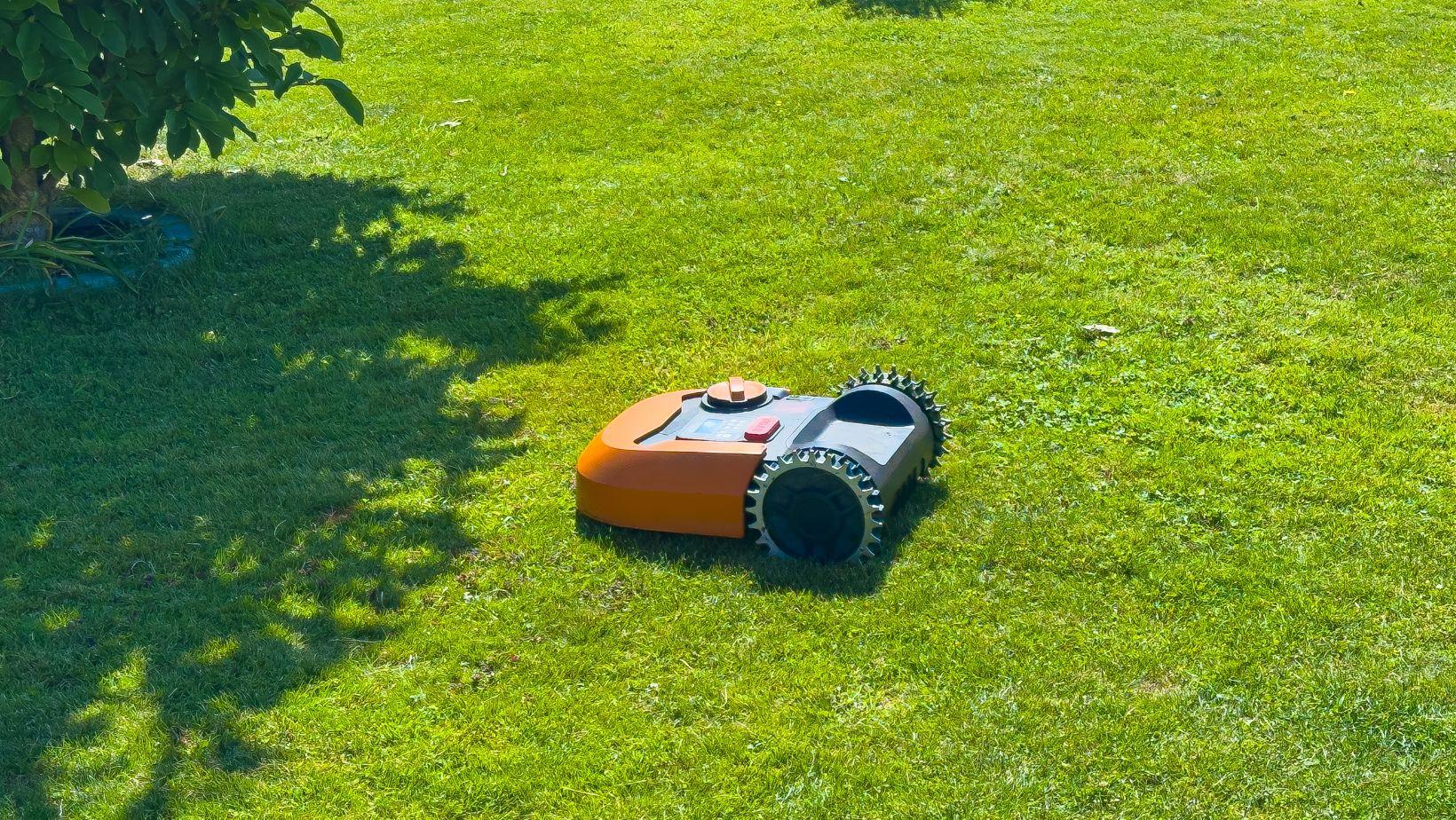
Keeping a lawn neat takes regular effort, from mowing the grass to cleaning up clippings and maintaining the edges. For many homeowners, these tasks take up valuable weekend time, especially during the growing season. A robot lawn mower offers another way to manage routine grass cutting by working automatically on a set schedule.
However, the convenience comes with an upfront cost, and not every yard is suitable for automated mowing. Before investing in one, it is worth considering how much time it could save, what ongoing expenses to expect, and whether its features match your lawn's size and layout.
How Much Time and Effort Can It Actually Save?
A traditional lawn mower requires homeowners to set aside time for mowing, whether it is once a week or more often during periods of rapid grass growth. A robot lawn mower can handle routine cutting automatically, following a schedule without requiring someone to operate it each time. This can free up time for other household tasks or leisure activities.
However, it does not eliminate all lawn maintenance. Homeowners may still need to trim grass along fences and garden edges, remove larger debris, and occasionally clean the mower or check its blades. The biggest benefit is reducing repetitive mowing work, rather than making the entire yard maintenance process hands-free.
Understanding the Real Cost of Owning a Robot Lawn Mower
The purchase price is only part of the cost of owning a robot lawn mower. Homeowners should also consider replacement blades, battery wear, repairs, and other accessories. Some models may require additional installation equipment, while others offer simpler setup options that can reduce initial expenses.
It is also useful to compare these costs with those of a traditional mower, including fuel, electricity, routine servicing, and replacement parts. The overall value depends on how often the mower will be used and how long it remains reliable. For a lawn that needs frequent cutting, the time saved may justify a higher upfront investment. For smaller yards that require occasional mowing, a traditional mower may remain the more economical choice.
What Type of Yard Is Suitable for a Robot Lawn Mower?
Not every yard is equally suited to automated mowing. Small, relatively flat lawns with simple layouts are generally easier for a robot mower to manage. Larger properties can also benefit, provided the mower has enough coverage capacity and can handle the shape of the lawn.
More complicated yards require closer attention to navigation and terrain. Trees, narrow passages, separate grass areas, and steep slopes can affect how easily a mower moves around the property. For these conditions, features such as multi-zone management, reliable positioning, and obstacle detection become more important. Before choosing a model, homeowners should assess their actual mowing area and identify any difficult sections rather than relying on lawn size alone.
Choosing the Right Features for Your Lawn
The right features depend on the layout of your yard and how much setup you want to handle. Boundary-wire-free models can simplify installation, while automatic mapping helps define mowing areas without manually setting every boundary. For gardens with trees, narrow passages, or shaded areas, reliable navigation and obstacle detection are also worth considering.
For example, the ANTHBOT M5 LiDAR robot mower is designed for lawns up to 500㎡. It combines 360° LiDAR with Dual Vision to map the lawn and navigate around garden obstacles. It also supports one-tap automatic mapping and requires no boundary wires or RTK station, making setup simpler for homeowners. These features can be particularly useful for smaller, enclosed gardens where satellite signals may be unreliable.
What Maintenance Does a Robot Lawn Mower Still Need?
Although a robot lawn mower reduces the need for manual grass cutting, it still requires regular care to keep working properly. Grass clippings, dirt, and mud can collect around the blades, wheels, and underside, so occasional cleaning is important. Homeowners should also check the blades for wear and replace them when they become dull to maintain consistent cutting performance.
Battery condition, charging contacts, and software updates are worth checking periodically as well. During colder months or extended periods when the mower is not in use, follow the manufacturer's storage recommendations. These simple tasks help prevent avoidable problems and extend the equipment's useful life. A robot mower reduces routine mowing effort, but it should still be treated as a piece of outdoor equipment that needs basic maintenance.
Robot Lawn Mower vs. Traditional Lawn Mower
A traditional lawn mower is often the more affordable option upfront and gives homeowners direct control over when and how they cut the grass. It can also handle occasional mowing without requiring a dedicated charging area or automated setup. For smaller lawns or households that do not mind spending time on yard work, it may be the more practical choice.
A robot lawn mower costs more initially but reduces the need for regular manual operation. It is better suited to homeowners who want consistent grass cutting without setting aside time for each mowing session. The choice ultimately depends on budget, lawn size, and personal preferences. If saving time is a priority, automation may justify the extra expense; otherwise, a traditional mower can still meet everyday needs.
What to Check Before Spending Your Money
Before buying a robot lawn mower, measure the actual grass-covered area rather than the total size of your property. Check the slope, narrow passages, trees, and separate lawn sections to determine whether the model can handle your yard. A mower with a large advertised coverage capacity may still struggle if the layout is too complicated.
It is also worth checking how the mower is installed, whether it requires boundary wires or an RTK station, and what app features are included. Compare warranty coverage, replacement blade prices, battery availability, and local customer support. Finally, consider where the charging station will be placed and whether it has reliable access to power. These details can help you avoid buying a model that looks suitable on paper but does not fit your everyday needs.
So, Is It a Smart Investment for an Average Homeowner?
A robot lawn mower can be a worthwhile investment for homeowners who regularly maintain their lawns and want to spend less time on repetitive outdoor tasks. Its value is especially clear when the lawn is suitable for automation and the mower can operate on a consistent schedule.
However, a higher purchase price does not automatically mean better value. For smaller yards with occasional mowing needs, a traditional mower may be more economical. The best choice depends on your lawn's size, layout, maintenance requirements, and budget. Ultimately, the goal is to choose equipment that makes home maintenance easier without paying for features you do not need.