 Peggy L Carlton
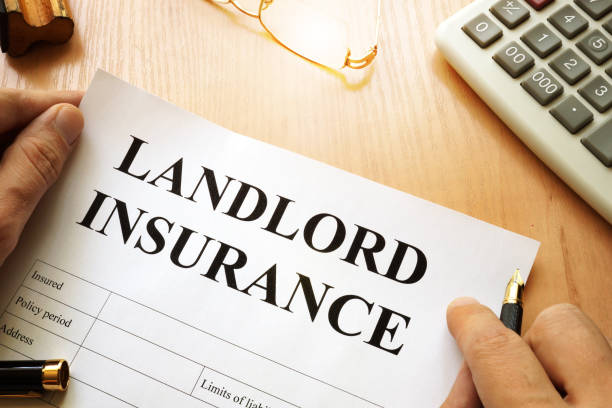
Owning a rental property comes with lots of benefits, but the truth is, it has its downsides too. Sometimes accidents or unexpected occurrences make you spend money you didn’t budget for, and destabilize your plans a bit. Fortunately, landlord insurance can make things easier for you when managing your rental.
Of course, the best type of insurance is actually investing time in finding tenants you can trust. But you also need to have formal insurance coverage that works well for your property. Continue reading below to know the ins and outs of insurance coverage and how to choose the right policy to save you money in the long run.
What is Landlord Insurance?
To keep it short, landlord insurance is basically insurance for rental properties. So instead of the usual homeowners’ insurance, it deals with risks that come up when your property is occupied by your tenants instead of you.
In addition, landlord insurance exists to protect you financially if your rental ever gets damaged. That’s why hiring a San Antonio TX property management company can help in proactive upkeep, which may influence more favorable insurance coverage terms.
Common Coverage of Landlord Insurance
Structural Coverage
Structural coverage is protection for your physical building itself, and it usually covers your walls, roof, floors, and other permanent parts of your property. For instance, if your rental gets damaged by events such as storms or types of water damage, your insurance policy can actually pay for the rebuilding or repair costs. And that’s good news for you because major structural repairs can be pretty expensive.
Liability Coverage
Even with the best intentions and attention to safety, accidents can still happen on your property, such as someone slipping on an icy driveway or getting bitten by another tenant’s dog. In such situations, the court can find you liable for the medical bills or damage if they rule that the incident was due to your fault. Liability coverage helps in situations like these, by offering protection if someone gets hurt on your property and you’re found legally responsible. Besides, this coverage is really useful because liability claims get expensive really fast, so it’s much better to protect yourself in advance.
Financial and Income Protection
Another benefit of getting landlord coverage is financial protection. After all, protecting your rental income should be a major part of your investment strategy as a landlord. That’s why savvy investors have a backup plan in case they experience extended periods of vacancy, either because something happened to the property and made the apartment uninhabitable. In this scenario, financial and income coverage helps to offset all the income you’ll lose during that period of time. In other words, you’ll still be able to earn income from rent because your insurance covers the costs while all the necessary repairs are being completed.
What Does Landlord Insurance Not Cover?

Tenant’s Personal Property
We’ve discussed what landlord insurance covers, but let’s move on to what it doesn’t cover. Now, a popular misconception is that landlord insurance covers a tenant’s belongings. But most of the time, it actually doesn’t.
Basically, if your tenant’s personal items are damaged or stolen, your insurance as a landlord won’t actually pay for their losses. That’s why your tenants need their own renters insurance policy to keep their possessions safe.
Wear and Tear
Insurance doesn’t cover normal deterioration that happens over time, and issues like faded or worn fixtures, or gradual maintenance problems are seen as wear and tear. Thus, as a landlord, you’re responsible for maintaining your property and carrying out preventative maintenance regularly. Property managers can help landlords understand how umbrella insurance works as a protection against risks.
Intentional Damage
Another limitation of landlord insurance is replacing intentional damage. So if you intentionally damage your property, your insurance isn’t going to cover it. It is crucial to note that coverage for damage intentionally caused by tenants can vary depending on the policy and circumstances. That’s why you need to review your policy terms carefully and understand what protections are available.
How to Choose the Right Policy for your Property?
The right landlord insurance policy for you depends on lots of factors, some of which are your property’s location, value, condition, and rental arrangement. It is advisable to start by assessing the potential risks associated with your property. For example, if your property is in a flood-prone area, you might need to get additional coverage beyond a standard policy. In the same vein, landlords with multiple properties may have different insurance needs than someone renting out a single home.
It’s also a good idea to compare things like coverage options and policy limits before making a decision. That’s because the cheapest policy isn’t always the best choice if it leaves important risks uncovered.
Conclusion
Landlord insurance plays a really important role in protecting your rental property. It can help cover structural damage, liability claims, and even lost rental income. However, you should understand that it doesn’t typically cover every single thing on your property. That’s why you need to choose a policy that fits the needs of your property, so you’ll be able to protect your investments and your financial future.
Landlord Insurance Coverage for Rental Properties
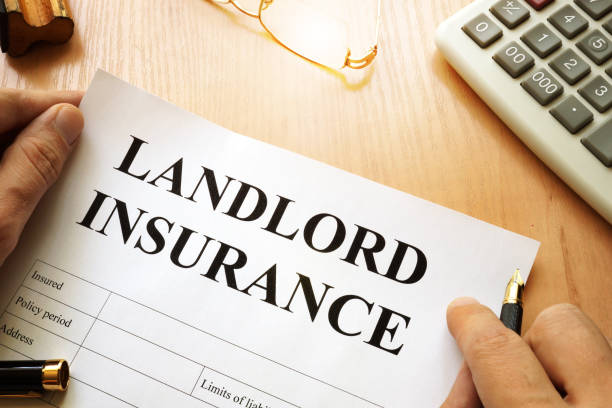
Owning a rental property comes with lots of benefits, but the truth is, it has its downsides too. Sometimes accidents or unexpected occurrences make you spend money you didn’t budget for, and destabilize your plans a bit. Fortunately, landlord insurance can make things easier for you when managing your rental.
Of course, the best type of insurance is actually investing time in finding tenants you can trust. But you also need to have formal insurance coverage that works well for your property. Continue reading below to know the ins and outs of insurance coverage and how to choose the right policy to save you money in the long run.
What is Landlord Insurance?
To keep it short, landlord insurance is basically insurance for rental properties. So instead of the usual homeowners’ insurance, it deals with risks that come up when your property is occupied by your tenants instead of you.
In addition, landlord insurance exists to protect you financially if your rental ever gets damaged. That’s why hiring a San Antonio TX property management company can help in proactive upkeep, which may influence more favorable insurance coverage terms.
Common Coverage of Landlord Insurance
Structural Coverage
Structural coverage is protection for your physical building itself, and it usually covers your walls, roof, floors, and other permanent parts of your property. For instance, if your rental gets damaged by events such as storms or types of water damage, your insurance policy can actually pay for the rebuilding or repair costs. And that’s good news for you because major structural repairs can be pretty expensive.
Liability Coverage
Even with the best intentions and attention to safety, accidents can still happen on your property, such as someone slipping on an icy driveway or getting bitten by another tenant’s dog. In such situations, the court can find you liable for the medical bills or damage if they rule that the incident was due to your fault. Liability coverage helps in situations like these, by offering protection if someone gets hurt on your property and you’re found legally responsible. Besides, this coverage is really useful because liability claims get expensive really fast, so it’s much better to protect yourself in advance.
Financial and Income Protection
Another benefit of getting landlord coverage is financial protection. After all, protecting your rental income should be a major part of your investment strategy as a landlord. That’s why savvy investors have a backup plan in case they experience extended periods of vacancy, either because something happened to the property and made the apartment uninhabitable. In this scenario, financial and income coverage helps to offset all the income you’ll lose during that period of time. In other words, you’ll still be able to earn income from rent because your insurance covers the costs while all the necessary repairs are being completed.
What Does Landlord Insurance Not Cover?

Tenant’s Personal Property
We’ve discussed what landlord insurance covers, but let’s move on to what it doesn’t cover. Now, a popular misconception is that landlord insurance covers a tenant’s belongings. But most of the time, it actually doesn’t.
Basically, if your tenant’s personal items are damaged or stolen, your insurance as a landlord won’t actually pay for their losses. That’s why your tenants need their own renters insurance policy to keep their possessions safe.
Wear and Tear
Insurance doesn’t cover normal deterioration that happens over time, and issues like faded or worn fixtures, or gradual maintenance problems are seen as wear and tear. Thus, as a landlord, you’re responsible for maintaining your property and carrying out preventative maintenance regularly. Property managers can help landlords understand how umbrella insurance works as a protection against risks.
Intentional Damage
Another limitation of landlord insurance is replacing intentional damage. So if you intentionally damage your property, your insurance isn’t going to cover it. It is crucial to note that coverage for damage intentionally caused by tenants can vary depending on the policy and circumstances. That’s why you need to review your policy terms carefully and understand what protections are available.
How to Choose the Right Policy for your Property?
The right landlord insurance policy for you depends on lots of factors, some of which are your property’s location, value, condition, and rental arrangement. It is advisable to start by assessing the potential risks associated with your property. For example, if your property is in a flood-prone area, you might need to get additional coverage beyond a standard policy. In the same vein, landlords with multiple properties may have different insurance needs than someone renting out a single home.
It’s also a good idea to compare things like coverage options and policy limits before making a decision. That’s because the cheapest policy isn’t always the best choice if it leaves important risks uncovered.
Conclusion
Landlord insurance plays a really important role in protecting your rental property. It can help cover structural damage, liability claims, and even lost rental income. However, you should understand that it doesn’t typically cover every single thing on your property. That’s why you need to choose a policy that fits the needs of your property, so you’ll be able to protect your investments and your financial future.