 Mylarith Qynthoril
As cities continue to grow, living spaces are becoming more compact. The need for innovative design solutions has never been more pressing, with urban dwellers eager to optimize every available inch of their homes. This trend has sparked a revolution in how we utilize living spaces, focusing on maximizing functionality without sacrificing comfort. This shift towards efficient design is redefining urban living, offering new possibilities for city residents. From multifunctional furniture to smart technology, the evolving landscape of urban architecture caters to a new generation's demand for streamlined, adaptable homes.
THE CHALLENGE OF DENSE URBAN LIVING
City populations are on the rise, leading to tighter living conditions. With urban areas becoming hubs of economic and cultural activity, demand for housing in these spaces has increased significantly. Consequently, the cost of housing has surged, prompting many to seek creative solutions to make the most of limited square footage. Apartments have become smaller, giving rise to the need for efficient and flexible use of space. The primary challenge for residents is to find a sense of spaciousness within these confined spaces while maintaining the aesthetic and practical elements necessary for daily life.
MULTIFUNCTIONAL FURNITURE: THE FUTURE OF COMPACT LIVING
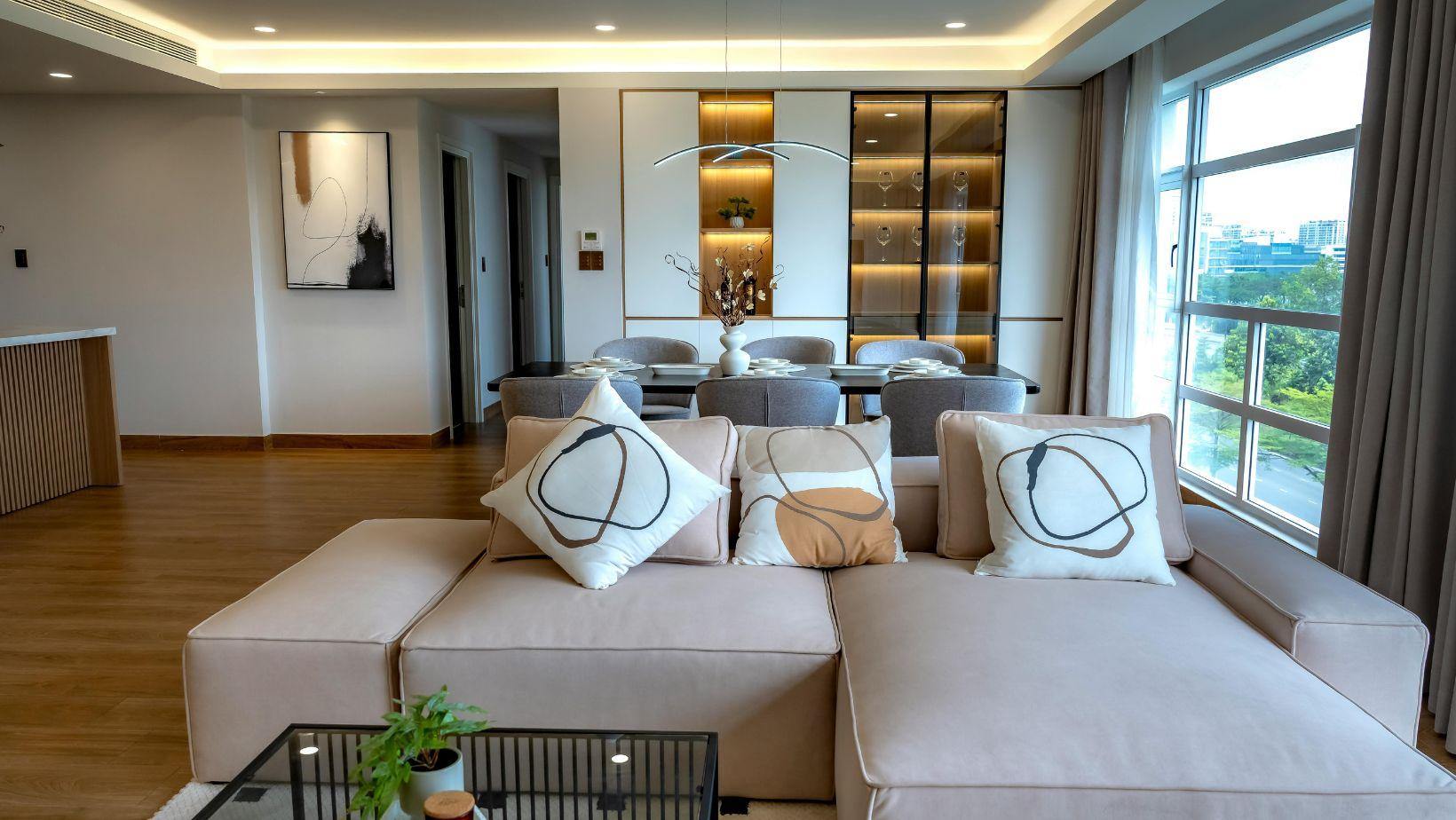
Designers have responded to limited space challenges by creating furniture that serves multiple purposes. Multifunctional furniture has become a cornerstone of small living space design, offering solutions like sofa beds, fold-away desks, and modular shelving units. These innovations allow residents to transform their spaces to accommodate various activities—be it lounging, working, or entertaining—maximizing functionality without clutter. The integration of such versatile pieces is essential for anyone looking to thrive in a compact urban dwelling, providing both practicality and style.
THE ROLE OF SMART TECHNOLOGY
The integration of smart technology in urban homes is another pivotal development. Home automation systems allow residents to control lighting, temperature, and even security remotely, streamlining day-to-day living. Smart appliances, which can be operated via smartphones or voice commands, further ease the burden of managing a home with limited space. These technological advancements provide not only convenience but also enhance energy efficiency, leading to lower utility costs. For those living in cities, where every penny saved counts, this aspect is particularly appealing.
THE RISE OF NEW DESIGN CONCEPTS
Innovative design concepts are constantly emerging to address the unique challenges of urban living. Open floor plans, for instance, have gained popularity for their ability to create the illusion of a larger area. By eliminating unnecessary walls, these layouts encourage a more natural flow between rooms, making a home feel more expansive. Creative use of vertical space is also a common design tactic, with loft-style constructions enabling homeowners to make use of high ceilings for additional storage or living areas. For those requiring assistance, hiring a loft conversion specialist can transform an attic or unused upper level into a functional part of the home, further maximizing available space.
VICTORIA LAND TAX AND ITS IMPACT
While designing interior spaces is crucial, external factors can also play a significant role in urban living. In particular, government policies such as the Victoria land tax can influence individuals' decisions to invest in or modify their properties. The Victoria land tax, a tax applied to the value of the land owned, can affect property affordability and therefore impacts the kind of developments possible within a city. Understanding such policies is crucial for homeowners and investors alike as they navigate the real estate market to ensure their properties are as profitable and optimized as possible.
THE POPULARITY OF GREEN LIVING SOLUTIONS
As the environmental movement gains momentum, urban residents are increasingly turning to green living solutions. Sustainability in design is now a key consideration, with many opting for eco-friendly materials and renewable energy sources. Green roofs and gardens are becoming more prevalent in urban settings, offering vital green space while improving air quality and reducing the heat island effect typical of densely built-up areas. Implementing these sustainable solutions not only benefits the environment but also enhances the quality of life for residents, making them a crucial component of modern urban living.
THE IMPORTANCE OF AESTHETICS IN SMALL SPACES
While functionality and efficiency are essential, aesthetics cannot be overlooked in small living spaces. Design choices play a significant role in creating a home that feels inviting and personalized. Elements such as color schemes and lighting have the power to make a small area feel open and airy. Bright, natural colors can open up a room, while strategic lighting can accentuate its best features. Tailoring the aesthetic elements of a space to align with the resident's personality is crucial in fostering a sense of belonging and comfort within a compact environment.
COMMUNITY LIVING AND SHARED SPACES
In addition to individual living spaces, communal areas have become a focal point of modern urban living. Shared facilities like gyms, pools, and gardens are often included in residential complexes, offering residents the chance to enjoy amenities without taking up personal space. Community living fosters social interaction and a sense of belonging, which is vital in high-density urban areas. These facilities allow residents to lead an enriched lifestyle, engaging in activities and forming connections that they might miss out on when isolated in a small personal space.
THE FUTURE OF URBAN LIVING: ADAPTATION AND INNOVATION
Looking ahead, adaptation and innovation will continue to shape urban living spaces. As technology advances and design concepts evolve, new solutions will emerge to address the challenges of urban density. Future homes will likely incorporate even more advanced smart technology, adaptable furniture, and sustainable materials. The trend towards urbanization shows no signs of abating, and the ability to adapt is crucial for city dwellers looking to enhance their quality of life in confined spaces. By embracing innovative solutions, residents can transform the limitations of their environment into opportunities for creativity and growth.
CONCLUSION
Urban living continues to evolve with the challenges and opportunities presented by growing city populations. By combining innovative design with smart technology and sustainable practices, modern cities are paving the way for a future where small spaces can provide all the comfort and functionality of their larger counterparts. Adaptation to dense environments requires creative solutions, and as such, urban dwellers must be prepared to embrace change and explore new approaches to living. The transformation of urban living spaces is not just a necessity, but a chance to redefine what constitutes a home in the bustling cityscape.