 Mylarith Qynthoril
If you've been researching affordable housing lately, mobile homes keep coming up, and for good reason. But if you're like most first-time buyers, you probably still have a few basic questions before you feel confident enough to start comparing options seriously.
So let's start there.
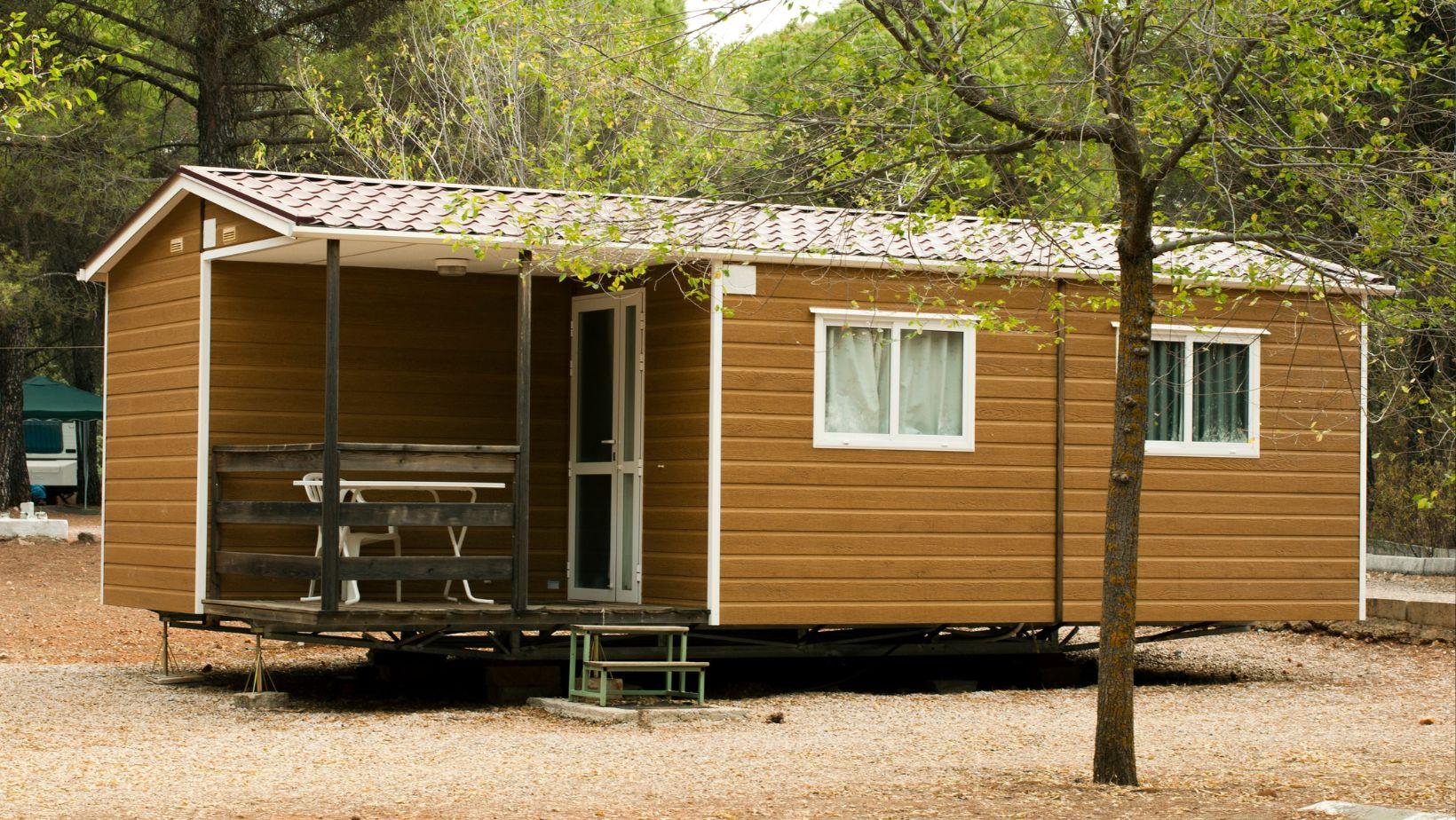
According to the U.S. Department of Housing and Urban Development (HUD), a manufactured home is any factory-built home constructed to the federal HUD Code, a set of national standards that governs structural integrity, energy efficiency, and safety. "Mobile home" is the informal term most people still use, and it refers to the same thing for anything built after 1976. In September 2024, HUD announced the most extensive update to that code in over 30 years, covering 90 new or revised construction standards. A clear signal that this housing category is being taken seriously at a federal level, not winding down.
The numbers tell the same story. Factories shipped roughly 103,300 new manufactured homes in 2024, up from 89,169 the year prior. The average sale price sat around $123,300, compared to a median of $367,282 for a site-built home. For households trying to own rather than rent indefinitely, that difference is significant.
1. Clayton Homes
Clayton is the largest manufacturer of manufactured and modular homes in the United States, now operating as a subsidiary of Berkshire Hathaway. With nearly seven decades in the industry, they've built over 1.5 million homes and operate one of the widest dealer networks in the country. Their floor plan range covers everything from compact single-wides to large multi-section homes, with options for energy-efficient upgrades, smart home features, and ENERGY STAR-rated models. Starting prices are listed on their website, though a final build quote typically comes from your local dealer after selecting finishes and options.
What buyers say: Strong customization options, broad availability, good financing support through their in-house lending arm.
2. Home Nation
Home Nation is a national dealer carrying inventory from multiple manufacturers, with real upfront pricing visible online before any sales conversation begins. You enter your zip code, browse floor plans filtered by bedroom count, square footage, and price, and see delivery-included costs from the start. That level of transparency is uncommon in this space, where most dealers still require a lot visit or a phone call just to get a number.
Their corporate office is based in Cocoa, Florida, with branch offices and display locations across multiple states. Primary markets include Florida, Indiana, Ohio, Michigan, Illinois, Georgia, and Arizona, with delivery coordination available across most of the lower 47. From single-wides and double-wides to modular homes and prefab packages, their inventory is broad. Financing, delivery, and installation support all run through one point of contact, which keeps things from getting complicated.
For buyers searching for affordable mobile homes without the back-and-forth of traditional dealerships, Home Nation is one of the more practical starting points available online.
What buyers say: Upfront pricing with delivery included, easy online browsing, end-to-end support from purchase through installation.
3. Fleetwood Homes
Fleetwood is one of the oldest continuously operating names in manufactured housing, founded in 1950 and now part of the Cavco Industries family. They're particularly known for tight insulation and structural durability, qualities that matter significantly in warmer climates like Florida, Georgia, and Arizona. Their focus is practical layouts and long-term comfort rather than premium upgrades, which appeals to buyers who want a home that holds up without paying for finishes they don't need. With over 1,300 dealers nationwide, they're widely accessible.
What buyers say: Reliable build quality, especially in warm climates, consistent and practical floor plans.
4. Cavco Industries
Cavco is the parent company behind several well-known brands including Fleetwood and Palm Harbor Homes. As a publicly traded company, their financials are transparent and their manufacturing standards are subject to consistent oversight. They've won Manufactured Housing Institute (MHI) Manufacturer of the Year recognition and are generally regarded as one of the more quality-focused operations in the industry. Their homes tend to appeal to buyers who've done enough research to look past brand names and want to understand what's actually behind the product.
What buyers say: Quality-focused, strong warranty support, solid resale reputation compared to industry average.
5. Skyline Homes
Skyline has been building manufactured homes since 1951 and merged with Champion in 2018 to form Skyline Champion Corporation, now one of the largest manufactured home producers in the country. They're particularly strong in the Midwest and Southeast, with over 440 dealers representing the brand. For buyers in Indiana, Ohio, and Michigan specifically, Skyline is often a local option, which can meaningfully reduce delivery costs and simplify the installation timeline.
What buyers say: Good regional availability in the Midwest, competitive mid-range pricing, dependable for buyers in core manufactured housing states.
6. Champion Homes
Champion has been building factory-built homes since 1953 and now operates as part of Skyline Champion Corporation following a 2018 merger. They distribute through more than 1,000 independent retailers across the country and are widely recognized for finish quality. Some of their models are frequently noted for looking and feeling closer to site-built construction than the manufactured housing category typically gets credit for. In Q2 2025, their average selling price came in around $92,400, still well below site-built alternatives while delivering solid build quality.
What buyers say: Strong craftsmanship, varied layouts, one of the more respected manufacturer names among buyers who've done serious research.
A Few Things Worth Knowing Before You Buy
No matter which name you end up going with, these points consistently catch buyers off guard.
Land is a separate cost. Unless you're buying a land-home package, you'll need to account for lot rental, land purchase, or placement in a community. This affects your total monthly cost considerably.
Financing works differently than a traditional mortgage. Manufactured homes can be financed as personal property (chattel loans) or real property, depending on whether the home is permanently affixed to land you own. Rates and terms vary significantly between the two, so it's worth understanding which applies to your situation before you shop.
Delivery and installation add to the price. A home listed at $60,000 will cost more by the time it's on your lot. Site prep, transportation, utility hookups, and installation typically add between $10,000 and $30,000 depending on location and complexity.
State regulations vary. Zoning laws, titling requirements, and installation standards differ by state. What's straightforward in Indiana or Florida can be more complicated elsewhere, so it's worth checking early.
The Bottom Line
Manufactured homes have come a long way from the image many people still carry. With updated federal standards, a growing market, and prices that remain a fraction of site-built construction, they represent one of the more practical paths to homeownership available right now, particularly in states where land is still reasonably priced and zoning allows it.
The six names above cover different parts of the buying experience: established manufacturers who've been building for decades, and a national dealer that makes browsing and pricing accessible from anywhere. Whether you're comparing build quality between brands or just want to see what's available in your state with pricing upfront, there's enough here to give you a real starting point.