 Mylarith Qynthoril
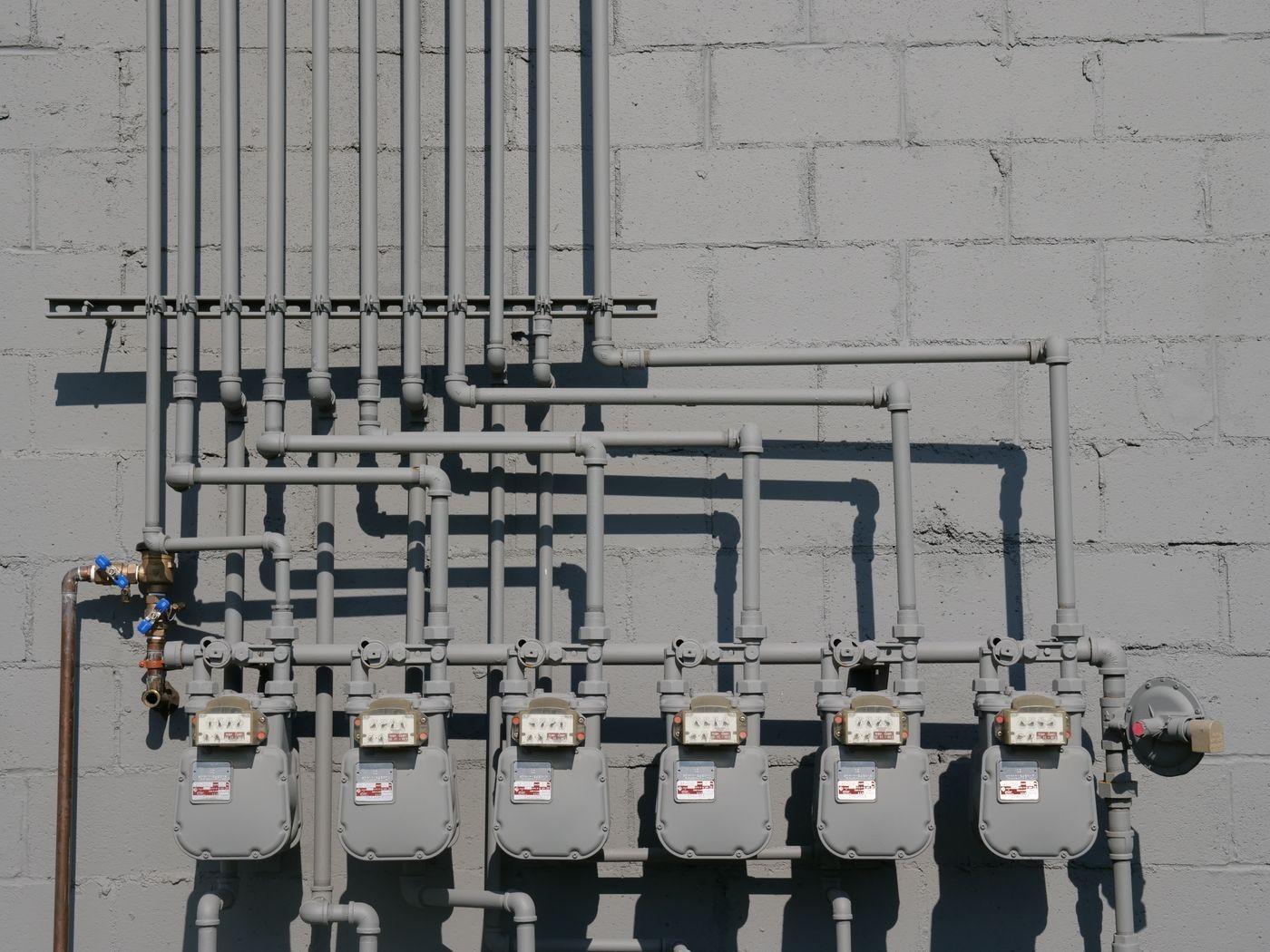
Photo source: https://www.pexels.com/photo/industrial-gas-meters-on-concrete-wall-38730229/
Picture this: it's a cold Tuesday night in Tullamarine, the heater's running, dinner's on the stove, and there's a faint smell near the meter box that everyone in the house has half-noticed for a week. Nobody's called anyone about it. Life is busy, the smell comes and goes, and surely it's nothing. That kind of thinking is exactly how a minor gas issue turns into a genuine emergency, and it's why prompt gas leak detection matters far more than most homeowners realise until something goes wrong.
Most articles on this topic focus on how to spot a leak in the first place, the rotten-egg smell, the hissing sound, the dead patch of grass near a buried line. That's useful information, but it skips over a more urgent question: what actually happens if you notice something's off and decide to wait? The answer, it turns out, is a lot more than a slightly higher gas bill.
The Clock Starts the Moment You Notice Something
Gas doesn't sit still once it starts escaping. It spreads, it accumulates in enclosed spaces, and it displaces oxygen in the air you're breathing without any obvious visual sign that it's doing so. A leak that's barely detectable on day one can be a serious concentration by day five, especially in a sealed-up Melbourne home during winter when windows stay shut and heating runs constantly.
This is the part that trips people up. A gas leak rarely announces itself with a dramatic moment. It creeps. And because it creeps, it's tempting to treat it as a low priority job, something to mention to a tradesperson next time they're around for something else. That delay is precisely where the risk multiplies, because the exposure is cumulative, not a one-off event you either survive or don't.
Health Effects Build Quietly, Then Suddenly
Low-level exposure to natural gas doesn't necessarily send anyone to hospital in the first hour. Instead it shows up as headaches that won't quit, a persistent sense of dizziness, nausea that seems to have no cause, or trouble breathing that gets blamed on a cold or the change of season. Families sometimes live with these symptoms for weeks, treating them individually rather than connecting them to the house itself.
The trouble is that these aren't just uncomfortable side effects, they're warning signs of oxygen displacement and toxic exposure that get worse the longer the source goes unaddressed. Children, older residents, and anyone with existing respiratory conditions are hit hardest, and by the time symptoms are severe enough to prompt a hospital visit, the leak has usually been running far longer than anyone assumed.
Fire and Explosion Risk Doesn't Wait for a Convenient Time
Natural gas is highly flammable, and it only takes a spark, a pilot light, a switch being flicked, to turn an invisible leak into a fire. This is the risk most people intellectually know about but somehow file away as unlikely, right up until it isn't. Every day a leak goes unaddressed is another day that ordinary household activity, cooking, running the dryer, even turning on a light, carries a risk it shouldn't.
This is also where a same-day response genuinely matters. A plumber who can attend quickly and run a proper assessment removes that risk instead of letting it linger over a weekend or through a busy work week while everyone hopes for the best.
The Financial Cost of Waiting Adds Up Fast
Beyond health and safety, there's a much more mundane consequence that catches people off guard: money. Escaping gas is gas you're paying for and not using, and unusually high gas bills are one of the more reliable, if unglamorous, signs that something is wrong somewhere in the system. A minor leak left unresolved for months can quietly cost a household hundreds of dollars, on top of whatever repair is eventually needed anyway.
There's also a structural cost. Gas lines that leak over a prolonged period can degrade surrounding materials and compromise the integrity of walls, subfloors, or fittings nearby, turning a straightforward repair into a bigger renovation job simply because it was left too long.
Insurance Doesn't Look Kindly on Known, Ignored Problems
Here's a detail many homeowners don't consider until they're filing a claim: insurers can, and do, scrutinise whether a hazard was known about and left unaddressed. A gas leak that caused damage after the homeowner had already noticed a smell or an unexplained bill spike can complicate or even jeopardise a claim, because it starts to look like negligence rather than bad luck. Acting early isn't just about safety, it's about protecting your legal and financial position if the worst does happen.
What Getting It Checked Actually Looks Like
A proper gas leak inspection isn't guesswork with a lighter and a hopeful sniff. It involves a full evaluation of a home's gas plumbing system, from the meter through to every appliance connection, with the kind of detailed analysis that pinpoints exactly where a leak is occurring rather than just confirming that one exists. Modern Plumbing Group, a Tullamarine-based, family-owned plumbing business with more than 15 years of combined experience and over 5,000 completed jobs, runs this kind of assessment for both emergency and non-emergency concerns, backed by VBA licensing and membership with the Master Plumbers Association of Australia.
The company operates around the clock, which matters because gas issues rarely wait for business hours, and its 4.9-star rating from well over a hundred reviews suggests plenty of Melbourne households have already had this exact experience. If there's one takeaway worth remembering, it's that the cost of checking is always smaller than the cost of waiting. A phone call and an inspection is a minor inconvenience. A fire, a hospital visit, or a denied insurance claim is not.